Investor portal Owner portal Tenant portal
Invest with us → Home About How We Invest Portfolio Small Bay Owner's Representation Investor Access Insights
Development · Capital · Management · Maintenance

We build, own, and operate essential real estate.

A vertically integrated real estate firm headquartered in Lansing and growing into new markets. We develop it, raise the capital, manage it, and maintain it, so one team is accountable for the whole asset. Twenty-four years, 400+ projects, and no outside investor has ever lost capital on a Dymaxion deal.

400+Projects since 2002
$145MMDeveloped & in process
1MM+Sq ft built & owned
What we do
Four disciplines. One roof.
01
Development
We build what your market is missing.
400+ projects since 2002
Municipalities Landowners Owner's rep
02
Capital
Passive ownership of essential real estate.
$145MM completed & in process
Investors Bankers
03
Management
Professional operations for property owners.
1MM+ sq ft under management
Property owners 3rd party assets
04
Maintenance
In-house. On time. Done right.
In-house crews for every property we manage
Tenants Property owners
Dymaxion Group › Owner's Representation

Owner's Representation

Someone at the table who has carried construction risk. We represent counties, municipalities, school districts, institutions, family offices, and private owners through the full life of a capital project, with no stake in the contractor, the architect, or the outcome of any bid. Our only client is the owner.

Why a developer-operator
We spend our own money on construction every day.
We negotiate the same contracts, review the same pay applications, and catch the same change orders your project will generate, except on our projects, the overruns come out of our pocket. That is the difference between a representative who has carried construction risk and one who has only observed it. 400+ projects and $145MM of development give us live pricing data on sitework, steel, mechanicals, and labor in this market, not last year's cost index, and two decades working tax credits and state and local incentive programs alongside Michigan municipalities.
Client testimonial

“A project the size of the Ovation Center comes with a steady stream of complications, and having Dymaxion as our owner's representative has made the difficult parts manageable. They bring creative problem-solving to the table when it matters most, and they've been a real partner in getting this impactful project built.”

Dominic Cochran
Founding Director, Ovation Center for Music and Arts, Presented by MSUFCU
Ovation
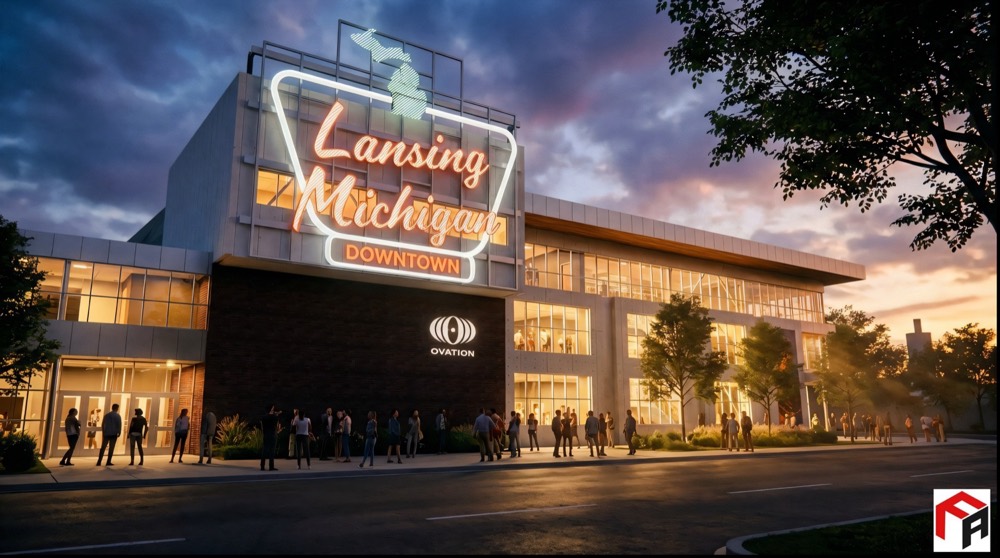
Dymaxion serves as owner's representative to the City of Lansing for the Ovation, a 70,000 sq ft civic music and arts venue in downtown Lansing.
Services
Five tiers, mapped to the capital project lifecycle.
Each tier is available independently or bundled as a single full-lifecycle engagement. Fees are scoped to each project; we will give you a clear, written fee proposal before any work begins.
01
Pre-Development Advisory
Feasibility and site evaluation, zoning and entitlement strategy, preliminary budget validation, delivery-method selection, design-team RFQ and selection, master schedule, and a written risk register. The decisions made here determine roughly 80% of final project cost, before a line is drawn.
02
Design Phase Management
Design-team oversight from schematic design through construction documents, budget reconciliation at every design gate, value engineering that cuts cost without cutting scope, constructability review, and code-compliance tracking.
03
Procurement & Contractor Selection
Bid-package preparation, contractor prequalification, bid solicitation and leveling, contract negotiation (AIA, ConsensusDocs, or custom), and insurance and bonding verification. We know what the line items should cost because we buy them ourselves.
04
Construction Phase Oversight
Pay-application review, change-order scrutiny and negotiation, RFI and submittal management, schedule and delay analysis, quality assurance, safety-compliance monitoring, and a plain-language monthly owner's report your board can act on.
05
Closeout & Occupancy Transition
Punch-list enforcement, substantial and final completion certification, warranty and O&M documentation, certificate-of-occupancy coordination, lien-waiver and retainage release, and 30/60/90-day post-occupancy review.
Who we serve
Built for public and institutional owners.
Counties and municipalities, K-12 districts and ISDs, higher education, healthcare systems, nonprofits, housing authorities, family offices, and private owners undertaking a significant capital project. We have represented family offices, cities, investor groups, and individual investors. Request a capabilities conversation, you will talk to a principal, not a business-development associate.
Start the conversation
Request a capabilities conversation.
Tell us about your project and we will come back with a clear scope and a written fee proposal. You will talk to a principal, not a business-development associate.
About Dymaxion

Making places happen.
Since day one.

A vertically integrated real estate firm in Lansing, Michigan. Development, capital, property management, and maintenance under one roof, so the team that underwrites a deal is the team that builds, operates, and maintains it.

"We looked for a firm that could do all of it, development, management, and capital, and couldn't find one. So we built it."
Track record
Twenty-four years. Never lost outside investor capital.
Jeff founded Dymaxion in 2002 and operated for fifteen years on his own capital before taking the first outside limited-partner investment. The sponsor remains heavily co-invested on every deal.
2002
Founded · 24 years operating
400+
Transactions across multifamily, industrial, storage, and adaptive reuse
$145MM
Completed & in-process development value
$0
Outside LP capital lost on a sponsored deal

Figures reflect sponsor records across all Dymaxion transactions since 2002. Past performance is not a guarantee or indicator of future results; each deal is unique and prior outcomes may not be reproducible.

The team
The people behind Dymaxion
Capital, development, management, and maintenance, one integrated platform.
Capital & Development
Jeff Deehan
Jeff Deehan
Founder & Principal
Leads all investor relations personally. Handles deal origination, capital raising, and strategic direction. Long-term relationship owner.
Matt McNeil
Matt McNeil
Partner & Director of Operations
Runs execution across all teams. Owns accountability, quarterly priorities, and the operating rhythm that keeps every division on track.
Brendan Fox
Brendan Fox
Director of Development
Leads the full development process from start to finish, acquisition, entitlements, deal structure, and through construction to delivery.
Andi Bourgeois
Andi Bourgeois
Executive Assistant
The glue that holds the firm together. Keeps every moving part across all four Dymaxion entities connected, handled, and moving forward.
Kenzie Jones
Kenzie Jones
Operations Manager & Investor Relations
Newsletters, investor communications, AppFolio IM administration, and the systems behind capital operations. The engine behind investor experience.
Lucas Ferro
Lucas Ferro
Asset Manager
Manages NOI across the full portfolio, close oversight on property management budgeting and all property and investment-level transactions.
Property Management
Rachyl Simmons
Rachyl Simmons
Director, Property Management
John Patrick Smith
John Patrick Smith
Property Manager
Robyn Yob
Robyn Yob
Property Manager
Karlie Mullendore
Karlie Mullendore
Property Manager
Gage Andrews
Gage Andrews
Property Manager
Adalie Agee-Poland
Adalie Agee-Poland
Customer Service, East Lansing Storage
BM
Brittani McMullen
Property Manager
Maintenance
Steve King
Steve King
Director, Maintenance
RS
Russ Straub
Maintenance Technician
Jack Barber
Jack Barber
Construction Superintendent
MM
Mike Mase
Maintenance Technician
Why Michigan
The market we know best.
Michigan's metro markets, Lansing, Grand Rapids, Detroit, share a structural characteristic that makes them attractive for long-term real estate investment: demand is growing faster than supply can respond, and we've been operating here long enough to know exactly where the gaps are.
01
Transparency over polish
We tell you what's actually happening with your investment, including the hard stuff. Our investors aren't paying for a curated story. They're paying for the truth.
02
Operators first, capital second
We build things. We manage things. Capital raising is how we fund the work, not the other way around. Our track record is built on assets that perform, not pitch decks.
03
Long-term hold, long-term relationships
We don't flip and move on. We stay involved at the asset level, which means we're aligned with our investors, our owners, and our tenants for the long run.
How we invest
We build it, fund it, and run it. For the long term.

We don't chase deals. We identify markets where supply can't keep up with demand, acquire or develop assets with in-house discipline, and manage them with the same team that built them. That's the full-stack advantage, and it's what creates durable returns for our investors.

Investment thesis
Why these markets work

Secondary and tertiary Midwest metros share a structural profile: permitting is slow, land costs are rising, and construction capacity is limited. These frictions suppress speculative development and create durable scarcity for high-quality industrial and multifamily assets.

Why small bay industrial

Units under 5,000 sq ft serve local service businesses, light manufacturers, contractors, and e-commerce fulfillment operators. This tenant type is sticky, under-served by institutional developers, and willing to pay for well-located quality space. Lansing has proven the thesis, now we're scaling it.

Why multifamily

Multifamily is core to Dymaxion and predates our industrial work. We have developed, repositioned, and operated apartments across Greater Lansing for two decades, from historic adaptive reuse to ground-up workforce housing, and we manage every unit in-house. University corridors, manufacturing reshoring, and migration sustain demand in the markets we know best.

Underwriting criteria
Genuine demand, limited new supply
Vacancy below 5%, limited pipeline of new competitive supply within 3-mile radius.
Disciplined basis
Land cost plus construction cost must pencil at market rents with appropriate yield on cost.
In-house execution path
We only pursue deals where we have the development or repositioning capability to execute without relying on third-party GCs for critical work.
Strong tenant demand profile
Identifiable tenant demand from local businesses, operators, or workforce housing need, not speculative absorption.
Deal structure
How investors participate
Every deal is structured individually, terms, minimums, and participation details are specific to each opportunity and shared directly with prospective investors.
Deal-by-deal
You invest in specific projects, not a blind pool. Structure and documentation are provided before any commitment is made.
Co-investment
We put our own capital into every deal alongside investors. Our interests are aligned.
Full transparency
Underwriting, assumptions, and asset-level reporting shared with all investors from day one.
Risk & transparency
What can go wrong, and how we manage it

We believe showing our risk management framework builds more trust than any projected return number. Here's how we think about the risks in our deals.

Construction cost overruns
We use in-house construction management and established subcontractor relationships to control costs. We build contingency into every proforma, typically 10–15% of hard costs.
Lease-up timing risk
We underwrite conservative lease-up timelines and target markets with demonstrated absorption. Our in-house leasing team activates before C/O to minimize vacancy duration.
Interest rate and financing risk
We underwrite at current rates, not projections. We stress-test deals at higher rates and target fixed-rate debt where possible. We don't rely on rate cuts to make deals work.
Market softening
Markets with real demand and little new supply are more resilient than speculative markets. We target markets where the supply gap persists even in softer demand environments, providing a cushion against corrections.
Portfolio
Our work.
Twenty-four years of development, ownership, and owner's representation across multifamily, industrial, self-storage, civic, mixed-use, and adaptive reuse, all in Michigan.
In development
Industrial · Small bay · Ground-up
Mt Hope Industrial
Lansing metro, MI
Small bay
Product
Lansing metro
Market
In development
Industrial · Small bay · Ground-up
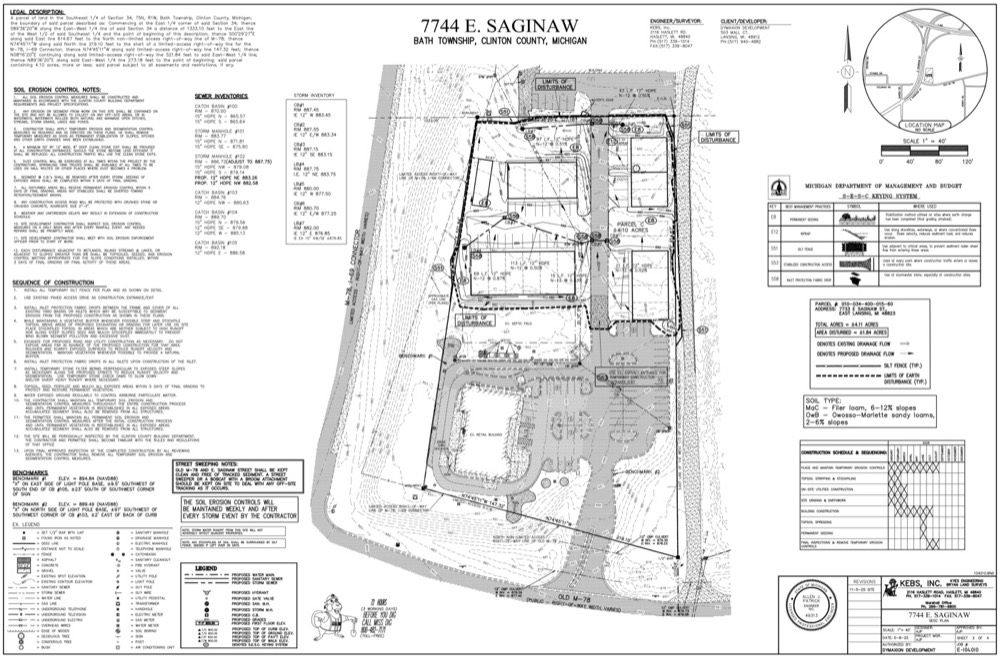
7744 Industrial
Lansing metro, MI
Small bay
Product
Lansing metro
Market
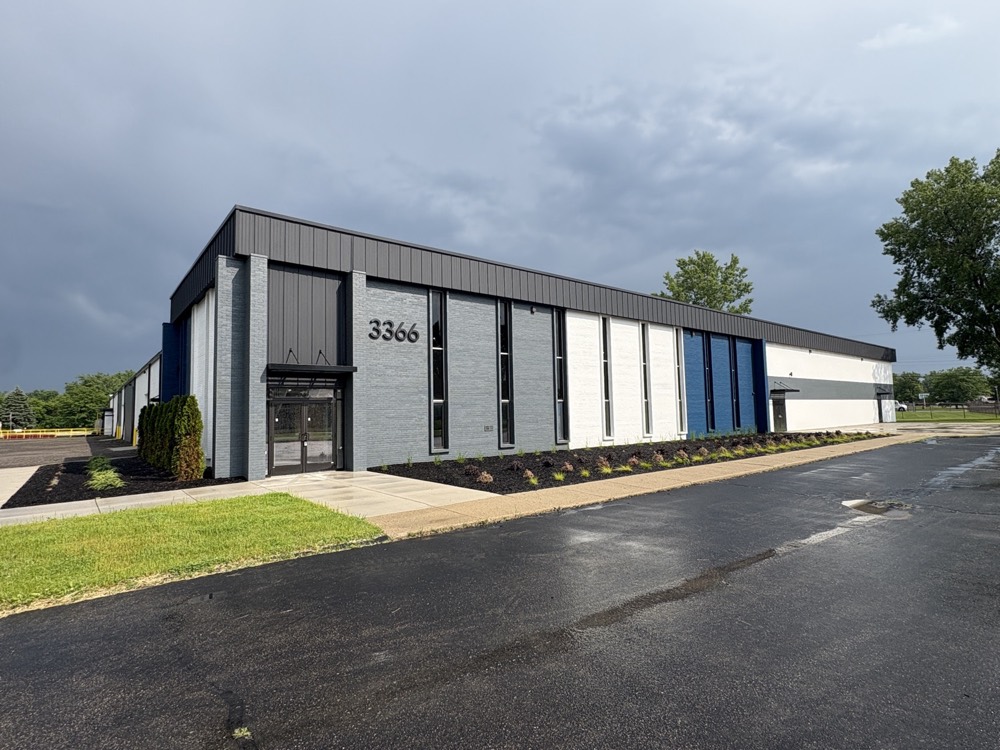
Completed
Industrial · Ground-up
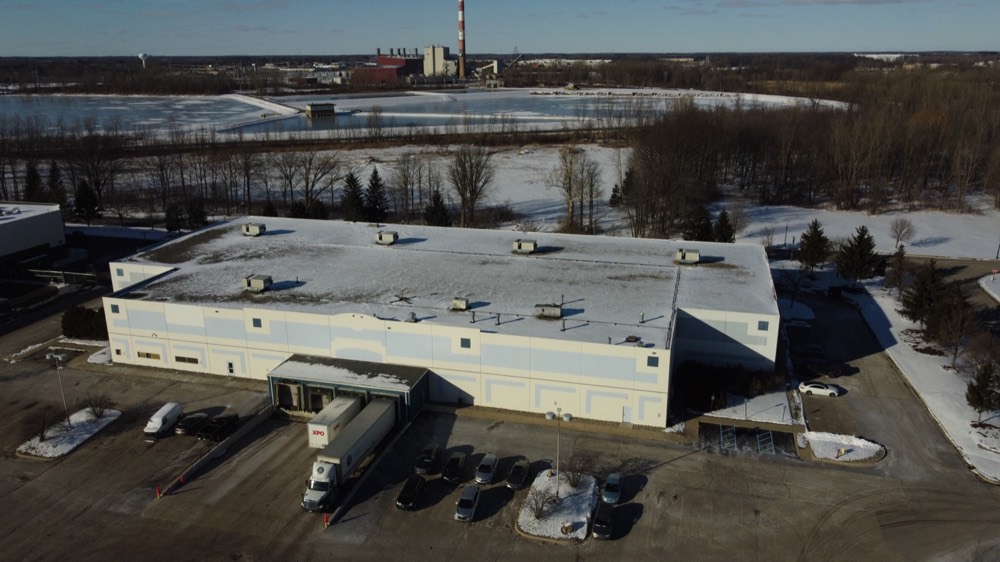
3366 Remy
Lansing, MI
Completed
Status
Lansing
Market
Completed
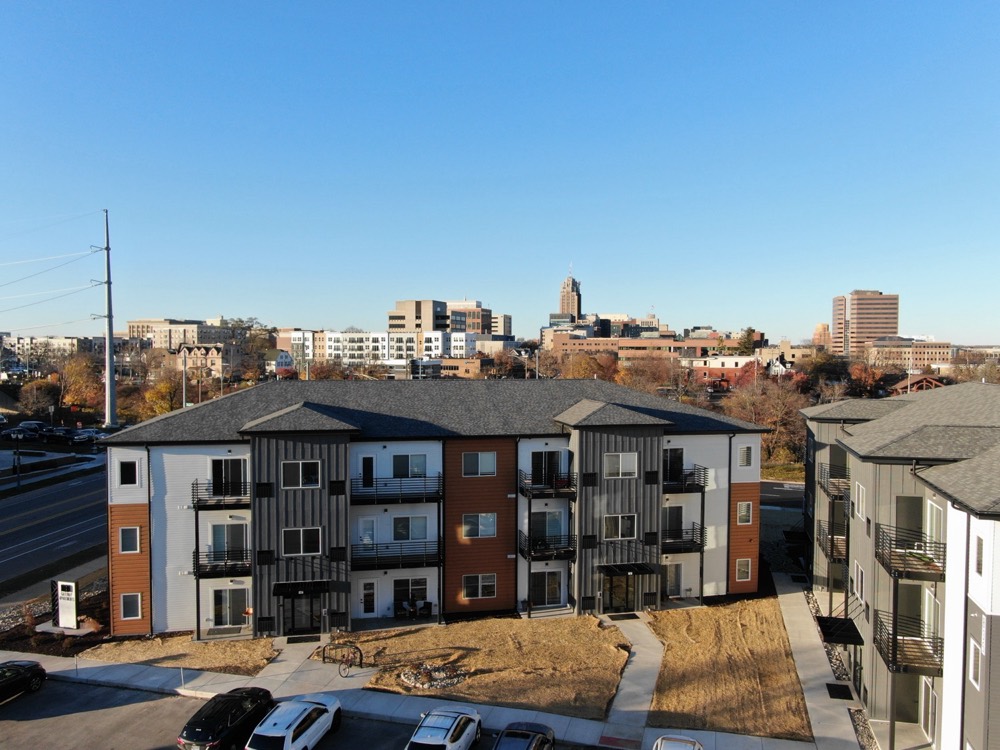
Multifamily · Leasing
REO Gateway Apartments
Lansing, MI · 96,000 sq ft
96K sqft
Size
Lansing
Market
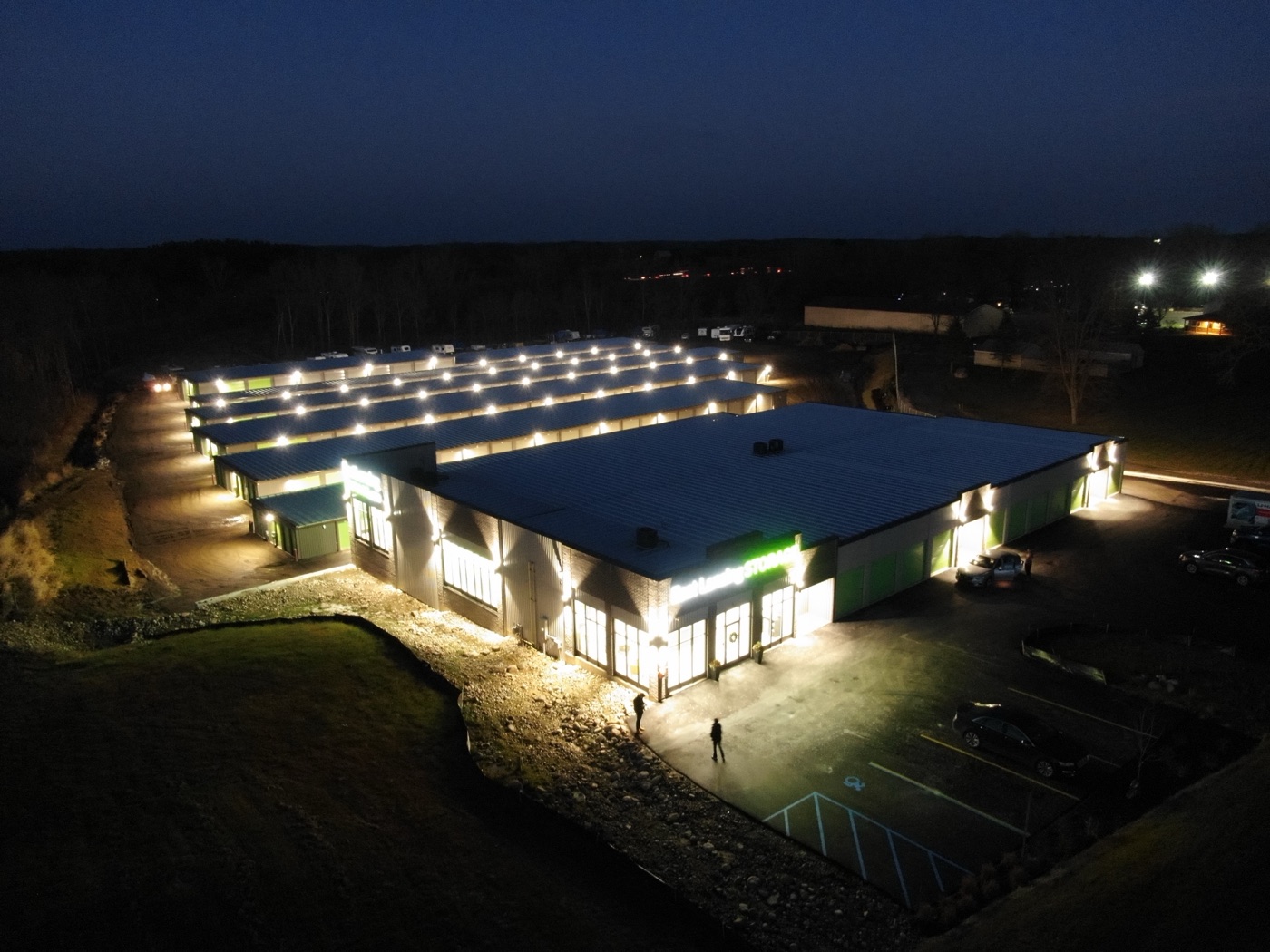
Completed
Industrial · Storage
East Lansing Storage
Bath Twp, MI · 85,000 sq ft
85K sqft
Size
Bath Twp
Market
Completed
Multifamily · Historic reuse
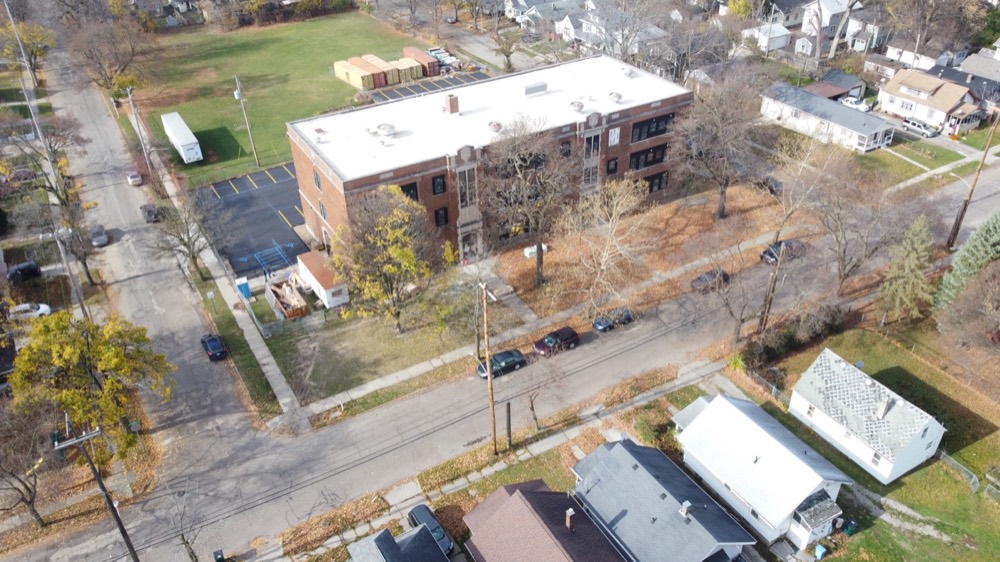
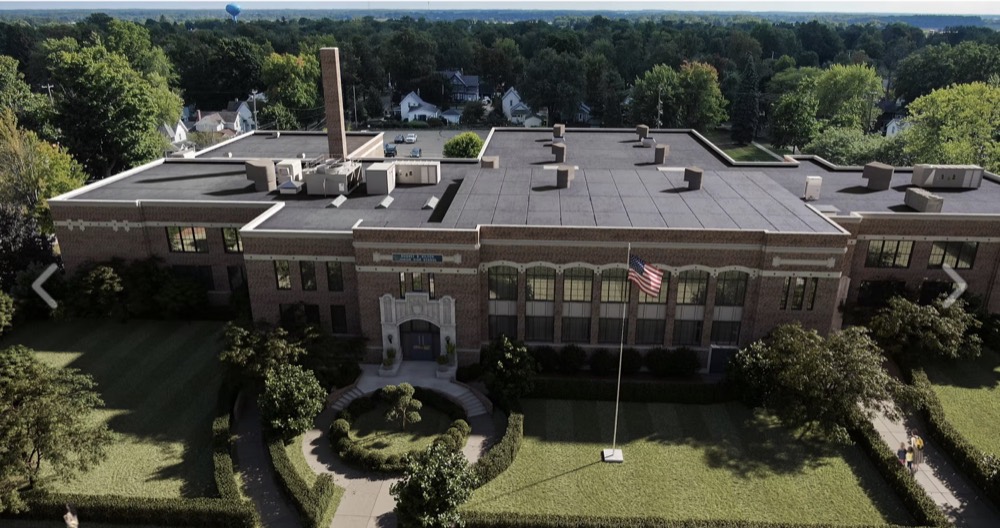
Holmes Street School Apts
Lansing, MI · 33,000 sq ft
33K sqft
Size
Lansing
Market
Completed
Commercial · New construction
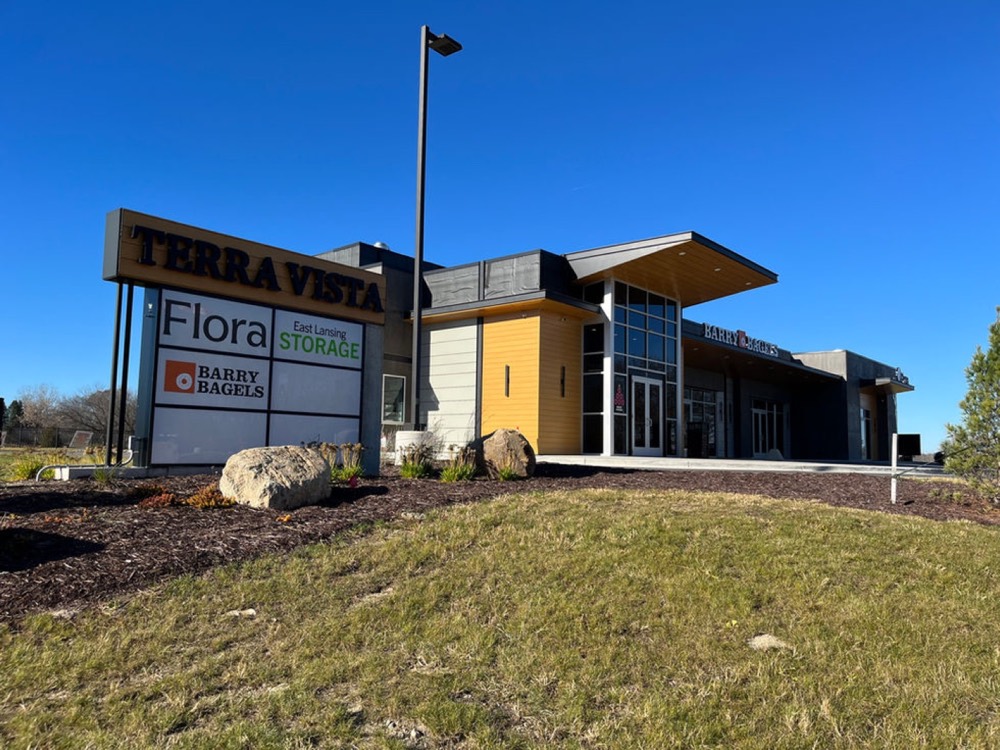
Terra Vista
Bath Twp, MI · 8,000 sq ft
8K sqft
Size
Bath Twp
Market
Completed
Mixed-use · Adaptive reuse
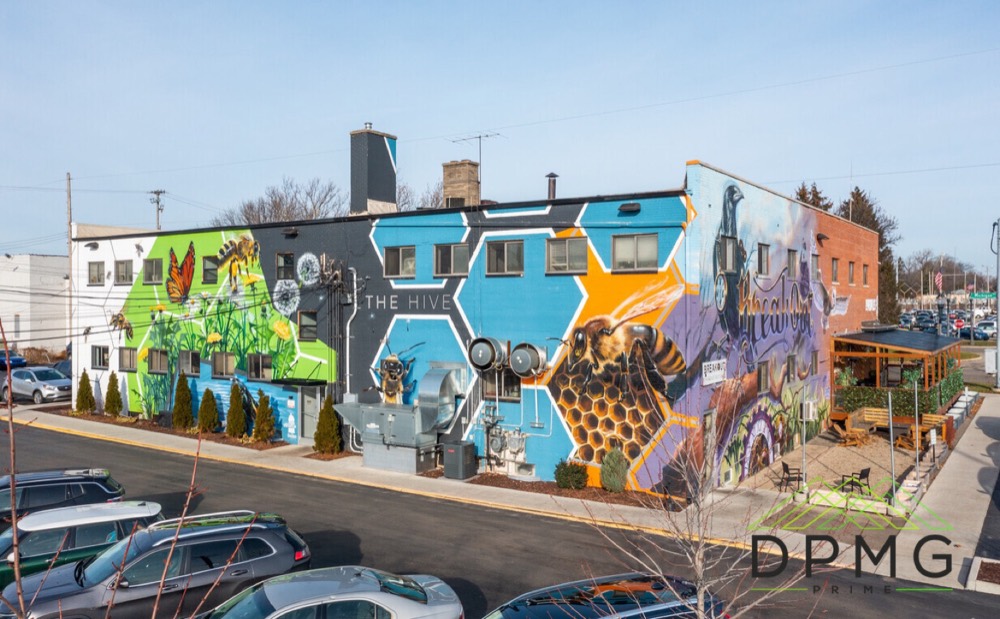
The Hive
Lansing, MI
Mixed
Use
Lansing
Market
In development
Multifamily · Adaptive reuse
Wilson Center Apartments
St. Johns, MI · 100,000 sq ft
100K sqft
Size
St. Johns
Market
In development
Civic · Owner's representation
Ovation Center for Music and Arts
Downtown Lansing, MI · 70,000 sq ft
70K sqft
Size
City of Lansing
Client
Completed
Industrial · Adaptive reuse
7977 Centerline
Michigan · 52,000 sq ft
52K sqft
Size
Michigan
Market
Completed
Industrial · New construction
10260 Harvest Park
Michigan · 44,000 sq ft
44K sqft
Size
Michigan
Market
Completed
Industrial · Adaptive reuse
340 Edgewood
Michigan · 137,000 sq ft
137K sqft
Size
Michigan
Market
Completed
Multifamily · Adaptive reuse
Artists Ave
Downtown Lansing, MI
100+ yrs
Building age
Lansing
Market
Investor access
Invest in essential real estate, deal by deal.

We invest deal by deal across essential real estate, from small bay industrial to multifamily. We work exclusively with accredited investors. Join the list to learn how we work and start the conversation.

Option 2, Talk to Jeff directly
A 30-minute intro call

Jeff personally speaks with every prospective investor. No pitch, no pressure, a straight conversation about whether we're a fit. What we'll cover:

01How our deal-by-deal structure works and what we look for in a project
02Underwriting assumptions, asset management, and how reporting works through AppFolio IM
03Accreditation and fit, in both directions. We'd rather you pass than stretch.
To set up a call: join the investor list and mention you'd like to talk. Jeff follows up with every prospective investor personally.
What happens after you reach out
A simple three-step process
1
You reach out
Join the list or book a call. You'll get our investment overview right away, and Jeff personally follows up with every prospective investor.
2
We get to know each other
We work exclusively with accredited investors. Before any offering is shared, we confirm accreditation and make sure our approach fits your goals. Offerings are private and shared only through an established relationship.
3
You review the next deal that fits
We invest deal by deal, so timing depends on what's in the works. When a project fits, you review the full materials through AppFolio IM and decide on your own timeline. No pressure, no obligation.
Already an investor? Access your portal.
View your investments, distributions, documents, and reporting through AppFolio IM, Dymaxion's investor management platform.
Deal-by-deal
No blind pool, no lock-up
Small Bay Industrial
The most requested product nobody is building.

Small bay industrial, units under 5,000 sq ft, is the highest-demand, lowest-supply product category in secondary Midwest markets. We identified this gap years ago and built our entire development platform around it.

The thesis
Why small bay?

Small businesses, contractors, trades, light manufacturers, last-mile operators, need small, functional industrial space in the markets where they work. They don't need 50,000 sq ft. They need 1,500–4,000 sq ft with a grade-level door, decent parking, and a location that makes sense for their routes.

That product is almost nonexistent in secondary markets. Most developers build big because big is easier to finance. The result is a structural gap that has persisted for decades, and one that we've learned to build into profitably and at scale.

We build ground-up. We lease to local operators. We manage in-house. The vertically integrated model means we control every stage, from entitlements to tenant experience, and that control is what makes the returns durable.

Under 5,000 sq ft
Target unit size. The sweet spot for small business demand.
Grade-level access
Drive-in doors, clear height, functional layout. Built for operators, not spec.
Secondary markets
Less competition. More predictable tenants. Stronger relative yields than gateway markets.
In-house management
We lease and operate every asset we build. No third-party leakage.
The gap we fill
Where supply falls short
Large-bay developers dominate the industrial market. Small-bay operators are fragmented and undercapitalized. We sit in the middle, institutional discipline applied to a product category the institutions ignore.
The demand

Trades, contractors, e-commerce fulfillment, light manufacturing. Growing faster than the housing market in the same metros.

The supply problem

Almost no new small-bay product has been built in secondary Midwest markets in the last 20 years. Existing stock is aging, inefficient, and disappearing to conversion.

Our edge

We've built and leased this product. We know what tenants want, what banks will lend against, and how to deliver it under budget. That's the repeatable advantage.

Current projects
Small bay in the ground
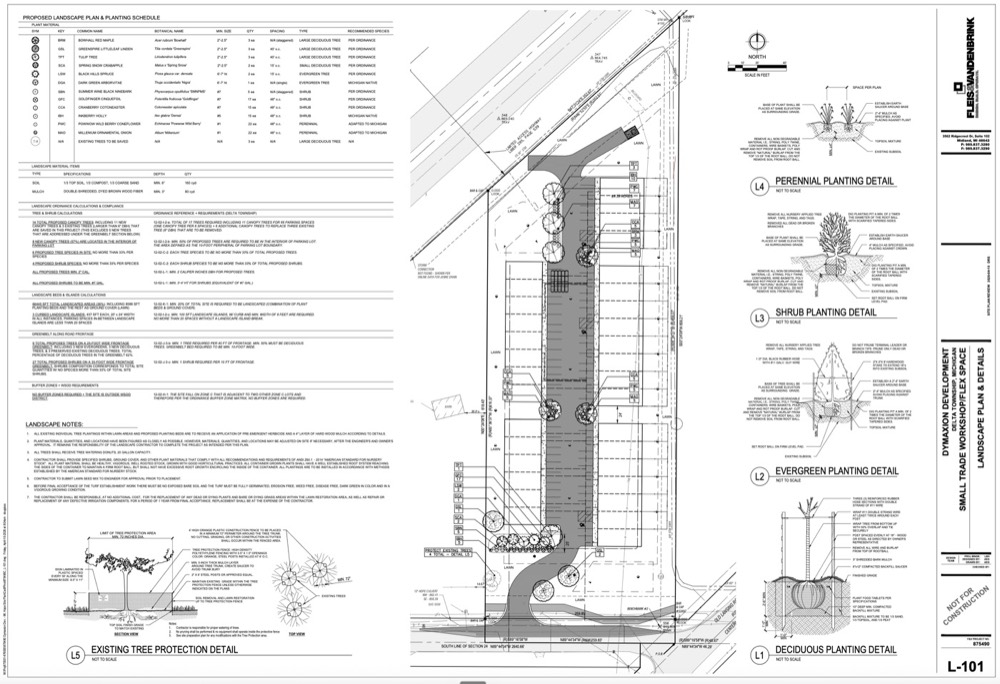
Both active projects are ground-up small bay industrial in the Lansing metro, built to the spec local operators actually need.
In construction · Lansing metro
Mt Hope Industrial

Ground-up small bay industrial in the Lansing metro. Multi-tenant configuration with grade-level doors and flexible unit sizes for local operators.

In construction · Lansing metro
7744 Industrial

Second ground-up small bay project in the same submarket. Designed to the same operator-first spec, functional, accessible, and purpose-built for the tenants who need it most.

Invest in small bay
Built on a thesis. Backed by execution.

We've developed the process, the relationships, and the track record to repeat this model across markets. If you want to follow what we build next, join our investor list.

Insights
From the team
Market observations, project updates, and thinking from the Dymaxion team.
Complete Guide

The Complete Guide to Small Bay Industrial Development

Small bay industrial is one of the most durable and undersupplied property types in American real estate. This guide covers everything: what it is, who rents it, what it costs to build, and how the economics work, written by a developer who builds it in the Midwest.

13 articles in this hub ~18,000 words of original content Updated: April 2026

What Is Small Bay Industrial?

Small bay industrial refers to multi-tenant industrial buildings where individual units typically range from 1,000 to 5,000 square feet. Each unit includes at least one grade-level overhead door, sufficient clear height for a van or small truck (usually 12–16 feet), and basic utilities. The format is intentionally functional, not flashy. Concrete floors, metal walls, simple HVAC, and reliable power are the product.

The "bay" is the fundamental unit of the building: a rectangular module with its own door, often shared wall construction, that can be leased independently. Buildings typically contain anywhere from 6 to 40+ bays, depending on the site and developer preference. Some buildings are single-story; some contain a small mezzanine office within each unit. The common thread is that each tenant operates autonomously with their own overhead door and street-facing presence.

Small bay industrial is distinct from "big bay" or "bulk" industrial, which serves large distribution and manufacturing operations and requires buildings of 100,000 square feet or more with dock-high loading, heavy power, and extensive trailer staging. It's also distinct from flex industrial, which typically features a higher office ratio and is designed for light assembly or R&D uses. Small bay is purely functional: it's built for people who need to store equipment, run a trade operation, or manufacture at small scale.

The product is not new, industrial parks with multi-tenant small bays have existed since the postwar suburban buildout, but the investment category has gone largely unnoticed by institutional capital. That's starting to change.

Read the full article: What Is Small Bay Industrial? →

Who Rents Small Bay Industrial?

The tenant base for small bay industrial is broad and durable. The common profile: a small business owner who runs a trade, service, or light production operation and needs a place to park vehicles, store materials, and work on equipment, not a fancy address. These tenants are the backbone of local economies and they're notoriously sticky.

Typical tenant categories include:

  • Contractors and trades: plumbers, electricians, HVAC techs, landscapers, general contractors. They need shop space, vehicle storage, and material storage. They often have 1–5 employees and don't need or want office space.
  • Light manufacturing: small-run fabricators, custom sign shops, woodworkers, metal fabricators. They need a bay with adequate power and clearance to run equipment.
  • E-commerce and last-mile fulfillment: small online retailers who've outgrown their garage and need a place to receive, stage, and ship product. This segment has grown meaningfully since 2020.
  • Auto-related businesses: detailers, mechanics, restoration shops, upholstery shops. They need grade-level doors and adequate vertical clearance.
  • Creative and maker businesses: artists, photographers with oversized equipment, prop builders, craft brewers starting small. These tenants often want the industrial aesthetic alongside the function.

What makes these tenants economically valuable is their high switching cost. Moving a trade operation, all the equipment, the established location, the signage, the infrastructure, is expensive and disruptive. Vacancy rates in well-located small bay product consistently run below 5% in most markets. Tenants who sign a lease often stay for 5–10 years with renewals.

Read the full article: Who Rents Small Bay Industrial Space? →

Why Is There a Supply Gap?

Demand for small bay industrial space is structural and growing. Supply has not kept pace. This gap is not accidental, it's a function of who builds things and what they're incentivized to build.

Large industrial developers build large industrial buildings. The economics of developing a 500,000-square-foot distribution center are fundamentally different from developing a 30,000-square-foot multi-tenant small bay complex. The big-bay product is simpler to underwrite: one or two tenants, long-term leases, nationally recognized credit, clean exit to an institutional buyer. Small bay involves many tenants, shorter leases, active management, and a buyer pool made up of private investors and regional operators. Institutions don't want the management complexity.

At the same time, local developers who traditionally supplied small bay product have faced rising land costs, more complex entitlements, and a construction cost environment that makes small projects harder to pencil without sophisticated equity. The supply gap widens every year demand grows.

The result is that in most secondary Midwest markets, available small bay inventory is aging (much of it built in the 1960s–1980s), functionally obsolete (low clear height, no modern power), or in poor condition. New supply is minimal. Tenants who need space often cannot find it, and when they do, they pay premium rates for inferior product.

What Does It Cost to Build Small Bay Industrial?

Development costs vary meaningfully by market, building spec, and site conditions. The following provides a general framework; all-in costs should be verified with local contractors and project-specific analysis.

Land

Land cost is the most variable input. In secondary Midwest markets, industrial-zoned land can range from a small fraction of total project cost to the single largest variable on the budget. Our current Delta Township project acquired its full site for $122,000, about 2% of a $5.4MM total budget. Access, visibility, zoning, and parcel configuration all affect price. Ideally, a small bay site has frontage on a high-traffic road, is rectangular, and is already zoned light industrial without a significant entitlement process.

Hard Construction Costs

Construction costs for a basic small bay complex, tilt-up or metal building construction, grade-level doors, simple HVAC, concrete floors, generally range from $80 to $140 per square foot nationally depending on market and spec. Our current Lansing-area project is budgeted at $95 per square foot in hard costs plus a 5% contingency. This range does not include site work, which can add meaningfully in markets with poor drainage, fill requirements, or significant utility extension.

Soft Costs

Architecture, engineering, permits, legal, and financing costs typically run 8 to 10% of hard costs on our recent projects, including the development fee. Industry guidance often quotes 10 to 15%; repeat plan sets and simple entitlements keep our number lower. Markets with more complex entitlement processes will be at the higher end. Projects with pre-negotiated plan sets or repeat design can compress this significantly.

Contingency

Given current construction market volatility, developers should carry a 10–15% contingency on hard costs, particularly for ground-up projects.

Read the full article: What Does It Cost to Build Small Bay Industrial? →

How Do the Economics Work for Investors?

Small bay industrial generates returns through two primary mechanisms: operating cash flow (in-place rents from multiple tenants) and capital appreciation (value growth as NOI grows and/or cap rates compress). Compared to other asset classes, small bay industrial offers a compelling combination of cash yield, low correlation with economic cycles, and relatively simple operations.

Key financial characteristics:

  • NNN or modified gross leases: Most small bay leases are structured on a net basis, meaning tenants pay base rent plus their share of taxes, insurance, and CAM. This insulates landlord cash flow from operating cost inflation.
  • Durable demand: Trade businesses, contractors, and light manufacturers are not going remote. Their space requirements are physical and local. This buffers the asset class against the structural demand destruction that has challenged office and retail.
  • Multiple tenants = distributed risk: Unlike a single-tenant net-lease building where one vacancy = 100% vacancy, a 20-unit small bay complex at 5% vacancy has 19 paying tenants. This distribution makes cash flow significantly more predictable.
  • Value-add opportunity: Older small bay stock often has below-market rents and deferred maintenance. Acquiring, improving, and re-tenanting this stock at market rates creates substantial value.

Dymaxion structures deals on a project-by-project basis, with transparent reporting and preferred return structures designed to align incentives between the developer and its capital partners. We do not pool capital across deals, each investment is discrete and understandable.

Read the full article: How to Invest in Small Bay Industrial Real Estate →

What Do Landowners Need to Know?

If you own industrial-zoned land in a secondary Midwest market, you're sitting on something genuinely valuable, and you have more options than you might think. The most common choice is simply to sell, but that's not always the highest-value path.

The three primary options for an industrial landowner:

  1. Sell outright: The simplest path. You receive market value now but give up all future upside. The market for industrial land has been strong; a good broker can price your parcel competitively. Best when you want liquidity and don't want any ongoing involvement.
  2. Develop yourself: Highest potential return, but requires access to construction financing, development expertise, and property management capability. Most landowners don't have all three. Those who try without them tend to experience significant cost overruns or operating problems post-delivery.
  3. Partner with a developer: A middle path. You contribute land value (often as equity), the developer brings construction, management, and capital raise expertise, and you share in the returns without taking on the full burden of development. This is the model Dymaxion actively pursues with landowners who want to participate in the upside of their asset's development.

Dymaxion looks for sites that are industrially zoned or realistically able to be rezoned, on a public road with good visibility, with utilities available at or near the site, and large enough to support a meaningful first phase. Our current Delta Township project fits 33 units and 44,160 leasable square feet on a single site. If you own land and are open to a conversation, the intake form below is the best starting point.

Read the full article: I Own Industrial Land, What Are My Options? →

How Dymaxion Approaches Small Bay

Dymaxion Development builds, owns, and operates small bay industrial assets in secondary Midwest markets. We are not a broker, fund manager, or passive aggregator, we develop ground-up projects, manage them in-house through our property management affiliate DPMG Prime, and hold them as long-term operating assets.

Our model is built on three beliefs:

  1. Secondary markets are the opportunity. Gateway markets (Chicago, Detroit core) have well-capitalized competitors and thinner margins. Secondary markets, Lansing, Kalamazoo, Flint, Saginaw and similar, have the same structural demand dynamics but far less institutional competition. We know these markets because we operate in them.
  2. In-house management creates durable value. Property management is where industrial portfolios succeed or fail at the unit level. Tenant selection, lease execution, maintenance response time, and renewal management are all active decisions that affect NOI. We don't outsource this.
  3. Ground-up is better than buy-and-hold old stock. While value-add plays in aging industrial can make sense, new construction delivers modern clear heights, updated power, proper drainage, and contemporary appeal that retains tenants longer and commands better rents. We build to hold.

If you're an investor, landowner, or prospective tenant, the intake form below or the spoke articles in this hub are the right starting points.

Continue Reading: All 12 Articles in This Hub

Foundation
What Is Small Bay Industrial?
Definition, history, physical characteristics, and how it differs from warehouse and flex.
Read →
Tenants
Who Rents Small Bay Industrial Space?
Tenant profiles, lease terms, and why small bay tenants are unusually sticky.
Read →
Development
What Does It Cost to Build?
Land, hard costs, soft costs, contingency, and timeline from entitlement to delivery.
Read →
Landowners
I Own Industrial Land. What Are My Options?
Sell outright, develop yourself, or partner, the tradeoffs explained in full.
Read →
Investors
How to Invest in Small Bay Industrial
Why investors choose this asset class, risk profile, and how Dymaxion structures deals.
Read →
Leasing
Small Bay Industrial Lease Rates
NNN vs gross, typical rates, what drives them up or down, CAM, and escalations.
Read →
FAQ
Frequently Asked Questions
15 questions across general, tenants, development, investment, and landowner categories.
Read →
Markets
Where to Build: Market Selection
What makes a good small bay market and why Dymaxion focuses on the Midwest.
Read →
Finance
How to Finance Small Bay Construction
Construction loans, permanent financing, equity structure, and what lenders want.
Read →
Comparison
Small Bay vs. Large Bay Industrial
A side-by-side comparison of physical, tenant, and investment differences.
Read →
Operations
Managing Small Bay Industrial Properties
Why management matters more in small bay and how DPMG Prime runs the portfolio.
Read →
Entitlements
Zoning for Small Bay Industrial
I-1, I-2, M-1, M-2, entitlement process, and common municipal hurdles.
Read →

Talk to Dymaxion

Whether you're an accredited investor, a landowner with a site, or a tenant looking for space, we'd like to hear from you.

  • Ground-up development in secondary Midwest markets
  • Deal-by-deal investor co-invest opportunities
  • Land partnerships with flexible structures
  • Tenant inquiries for available and pipeline space
Get in touch

Talk to the team

Whether you're a landowner, investor, or prospective tenant, we're happy to answer questions directly.

Foundation

What Is Small Bay Industrial?

A clear definition of the product type, units, physical characteristics, and how small bay fits within the broader industrial real estate category.

← Back to the Complete Guide

Defining the Product

Small bay industrial describes a specific format of multi-tenant industrial real estate: buildings subdivided into individual units that are small enough to serve one-person operations, small trade businesses, or local light manufacturers, typically 1,000 to 5,000 square feet per unit. Each unit operates independently, with its own entrance, its own overhead door, and usually its own utility metering.

The term "bay" comes from the structural module, a column-to-column span of the building's frame. In practice, a "bay" in the small bay context means a self-contained leasable unit with grade-level overhead door access. A building of 30,000 square feet might contain 15–25 individual bays, each rented to a different business.

The defining features that separate small bay from other industrial formats:

  • Grade-level overhead doors: Every unit has at least one door that opens at slab level, allowing vehicles, equipment, and materials to move in and out without a dock plate or forklift. This is functionally critical for the primary tenant base, tradespeople, contractors, and small manufacturers who work with vehicles and move things constantly.
  • Unit size under 5,000 sq ft: Small bay units fit the needs of businesses that don't require large footprints but absolutely need industrial functionality. Units under 1,000 sq ft exist but are rare; most of the market clusters between 1,200 and 3,500 sq ft.
  • Clear height of 12–18 feet: Tall enough to store equipment vertically, fit a box truck inside, or run a small mezzanine. Not the 30–40 foot clear heights required by distribution centers.
  • Basic utility infrastructure: 200–400 amp single or three-phase electrical service, floor drain, natural gas stub. Not the heavy power or specialized infrastructure that advanced manufacturing requires.

A Brief History of the Product Type

Small bay industrial has existed as long as suburban industry has existed. In the postwar period, as American cities pushed outward and trade businesses followed their customers to the suburbs, the need for affordable, functional workspace grew alongside the population. Industrial parks with rows of small units, often simple metal buildings or tilt-up concrete, proliferated through the 1960s, '70s, and '80s.

Most of the small bay inventory that exists today was built during this period. That means a significant portion of America's small bay stock is 40–60 years old, aging infrastructure with low clear heights (sometimes as low as 10–12 feet), inadequate power, poor drainage, and deferred maintenance. This obsolescence is part of what creates the current opportunity: functional new product commands meaningful rent premiums over aging stock, and new supply remains limited.

The institutional real estate industry largely ignored small bay through this entire period. The management intensity required, many tenants, shorter leases, higher turnover than big-bay, made it unattractive to large REITs and institutional investors who preferred the simplicity of single-tenant or large-tenant leases. Small bay remained a cottage industry, dominated by local operators and family-owned parks.

Beginning around 2015 and accelerating through the pandemic period, institutional attention began to turn. The durability of demand, the low vacancy rates, and the favorable rent growth dynamics attracted interest from larger players. But the management burden remains real, and most institutional capital has stayed at arm's length. This continues to leave the small bay market largely in the hands of local and regional operators, like Dymaxion.

How Small Bay Differs from Other Industrial Formats

Big-Bay / Bulk Industrial

Big-bay industrial buildings are designed for large-scale distribution and manufacturing. Typical characteristics: 100,000–1,000,000+ square feet, 28–40 foot clear heights, dock-high loading (usually 4+ feet off the ground), heavy electrical infrastructure, and large trailer courts. Tenants are typically large corporations, Amazon, auto suppliers, regional distributors, operating on long-term leases (10–20 years). These buildings are bought and sold by institutional investors at tight cap rates because the credit of the tenants is well-understood. Small bay serves an entirely different market and is not a substitute.

Flex Industrial

Flex industrial, also called "flex space", is a hybrid format with a higher proportion of finished office space than true industrial. A typical flex building might be 50% climate-controlled office and 50% open warehouse or light industrial space. Flex tenants skew toward tech, light assembly, R&D, and professional services that need both office and some operational space. Clear heights are often lower than true industrial (12–16 feet), and finishes are higher. Flex commands higher rents than small bay but serves a different tenant profile. There is some overlap in tenant type at the margin, but small bay's core tenants, contractors, fabricators, rarely want or need significant office space.

Self-Storage

Self-storage is sometimes confused with small bay because the physical format has surface similarities: small units, many tenants, grade-level roll-up doors. But self-storage is purely for passive storage, not for running a business. Tenants don't occupy the space; they store things in it. Small bay industrial units are workspaces where businesses operate daily. This distinction matters for zoning, financing, and investment analysis.

Physical Characteristics in Detail

Bay Size and Configuration

Standard small bay units range from 1,000 to 5,000 square feet, with the most liquid market segment sitting between 1,500 and 2,500 square feet. Smaller units (under 1,000 sq ft) can work in dense urban markets where land is expensive and small operations cluster, but they're harder to finance and attract a narrower tenant base. Larger units (3,000–5,000 sq ft) can accommodate small manufacturing operations but begin to compete with larger single-tenant industrial, which typically has better clear heights and loading.

Building configurations vary: some small bay parks are single-story rows of units facing a parking and access drive; others are L-shaped or U-shaped around a courtyard. Multi-building campuses are possible on larger sites and allow phased development. The ideal configuration maximizes the number of units with direct outdoor access, each tenant wants to be able to pull a truck up to their door without navigating through another tenant's space.

Clear Height

Clear height, the usable vertical space from finished floor to the lowest hanging obstruction (usually the bottom chord of a roof truss), is one of the most important functional specs. Small bay product in the 12–14 foot clear range is the most common. Buildings with 14–16 foot clear heights command premium rents and attract a slightly broader tenant base, particularly auto-related businesses that need to lift vehicles. Anything above 16 feet in a small bay context is unusual and typically signals that the building is designed for heavier industrial use.

Overhead Doors

Grade-level overhead doors are non-negotiable in true small bay industrial. Standard door sizes range from 8x8 feet to 12x14 feet. Width matters for vehicles (a van typically needs a 9-foot-wide door); height matters for tall equipment and vehicles. Some premium small bay units include two doors per bay, one for vehicles, one for walk-in access or secondary vehicle entry.

Power and Utilities

Small bay units typically include 100–200 amp electrical service per unit, with 200-amp three-phase service available in newer or purpose-built buildings. Natural gas stubs are common in markets with cold winters. Plumbing varies, basic bathrooms are standard, but in-unit floor drains and utility sinks are a meaningful amenity that many older buildings lack. Modern small bay developments should include at minimum: one bathroom per unit (or shared facilities), floor drain, natural gas stub, and 200-amp electrical with the ability to upgrade.

Where Small Bay Gets Built

Location is one of the key success factors for small bay industrial. Unlike big-bay distribution, which prioritizes freeway access and proximity to transportation infrastructure, small bay's primary audience, local trade businesses and contractors, prioritizes proximity to their customer base. A plumber serving the northwest side of a metro area wants a shop in the northwest part of that metro, not 30 miles away in a logistics corridor.

The best small bay locations share several characteristics:

  • Infill or close-in suburban: Near established neighborhoods where the tenant's customer base lives. Not fringe exurban land, where it's cheap but far from where the work is.
  • Industrial zoning already in place: Entitlement risk is one of the biggest development risks in small bay. Sites with existing I-1 or I-2 (or equivalent) zoning can often move to permits much faster than sites requiring a rezoning.
  • High-traffic road frontage or visibility: Many small bay tenants value signage and visibility, it's how they get walk-in customers and maintain a local brand presence.
  • Secondary markets with supply gaps: Smaller cities, regional metros, county seats, mid-sized Midwest cities, often have persistent small bay demand with very little new supply. These are Dymaxion's target markets.

Questions? Talk to Dymaxion.

We develop and operate small bay industrial in secondary Midwest markets. If you're an investor, landowner, or tenant looking for space, reach out.

  • Ground-up development in secondary Midwest markets
  • Deal-by-deal investor co-invest opportunities
  • Land partnerships with flexible structures
  • Tenant inquiries for available and pipeline space
Get in touch

Talk to the team

Whether you're a landowner, investor, or prospective tenant, we're happy to answer questions directly.

Tenants

Who Rents Small Bay Industrial Space?

The small bay tenant base is broad, local, and remarkably sticky. These are the businesses that build and maintain the physical world, and they need space to do it.

← Back to the Complete Guide

The Core Tenant Profile

Small bay industrial tenants are overwhelmingly owner-operated small businesses that require functional, affordable workspace in or near the communities they serve. They are not corporate tenants. They are not national brands. They are local business owners, plumbers, fabricators, detailers, online sellers, who need a real place to work and store things, not a corporate address.

What distinguishes the small bay tenant from other industrial tenants is the nature of their business: they depend on proximity to their customer base, they work with vehicles and equipment, and their space requirement is driven by function rather than image. The unit doesn't need to look impressive; it needs the right door, the right clearance, and the right utilities.

Tenant Profiles

Contractors and Trade Businesses

The largest and most consistent segment of small bay demand. General contractors, electricians, plumbers, HVAC technicians, carpenters, roofers, and landscapers all share the same basic space need: somewhere to park their work vehicles, store their tools and materials, and do basic maintenance on equipment. A plumbing company with three trucks and five employees might lease a 2,000-square-foot bay to store pipe, fittings, and specialty equipment that doesn't fit in a van. They work there before and after jobs, not 9-to-5, the space is a hub, not a headquarters. These tenants rarely move once established. The cost and disruption of relocating a trade operation, reorganizing storage, updating vehicle registration addresses, notifying suppliers and customers, keeps them in place for years.

Light Manufacturers and Fabricators

Small-run manufacturers, custom metal fabricators, sign shops, woodworkers, furniture makers, cabinet builders, need functional industrial space to run equipment but don't produce at a scale requiring a large dedicated facility. A two-person cabinet shop might need 2,500–3,500 square feet with adequate power for table saws and CNC equipment, good ventilation, and a tall enough door to receive full sheets of material and ship finished goods. These tenants are skilled and their businesses are durable: their products require physical production that cannot be offshored at small scale. They tend to occupy space for extended periods as long as the building meets their functional needs.

E-Commerce and Last-Mile Fulfillment

The growth of direct-to-consumer e-commerce has created a new category of small bay tenant: the online retailer who has outgrown a garage or self-storage unit but doesn't need a full warehouse. These businesses receive inbound freight, store inventory, pack orders, and ship outbound parcels, typically via UPS, FedEx, or USPS. A well-located small bay unit of 1,500–2,500 square feet with a grade-level door and clean, climate-adjacent storage can work well for this tenant type. Demand from this segment accelerated significantly during the pandemic period and remains elevated as online retail continues to capture share from brick-and-mortar. Last-mile demand is particularly strong near population-dense suburban markets.

Auto-Related Businesses

Auto detailing shops, independent mechanics, collision repair operations, restoration specialists, upholstery shops, and motorsport fabricators all need industrial space with specific requirements: grade-level doors wide enough for vehicles, adequate height (at least 12 feet, ideally 14), floor drains, and sometimes three-phase power for lifts or compressors. This tenant category requires slightly more infrastructure than a basic storage user but remains well within the capabilities of standard small bay construction. Auto tenants tend to build loyal local followings and stay in their spaces for extended periods, the customer relationship is location-specific in a way that makes moving costly.

Food Production and Distribution

Small-batch food producers, caterers, specialty food brands, food truck operators, increasingly need commissioned commercial kitchen space or basic food-safe production space. While a food production tenant has specific health code requirements that may require build-out investment, they can be excellent long-term tenants in the right market. Cold storage and food-grade flooring can also serve as tenant improvements that the landlord controls. Not every small bay complex is appropriate for food production, but in markets with active culinary and food entrepreneurship communities, this can be a valuable tenant category.

Creative and Maker Businesses

Artists with large-format equipment, photographers with studio needs, prop fabricators, escape room operators, ceramics studios, and similar creative users occasionally show up as small bay tenants, particularly in markets with active maker communities or arts infrastructure. These tenants often value the raw, industrial aesthetic of the space as part of their brand and are willing to make cosmetic improvements at their own expense. They can be excellent tenants in the right context, though their credit profile and lease term may require closer underwriting than a trade business with years of operating history.

What Tenants Look For

Understanding what a small bay tenant actually evaluates when selecting a space is critical for developers who want to maximize occupancy and tenant quality. The primary criteria, in rough order of importance:

  • Location relative to customers and suppliers: A contractor won't commute 30 minutes to a cheaper unit when a more expensive one is 10 minutes from their primary work area. Proximity to customers is often the primary filter.
  • Functional specification: Does the overhead door fit their truck? Is the clear height adequate? Is the electrical service sufficient for their equipment? These are non-negotiable filters. Units that fail on function don't get rented regardless of price.
  • Loading and parking: Trade businesses often have multiple vehicles and may receive regular deliveries. Adequate parking and a maneuvering area in front of units is critical. Dead-end configurations or shared parking that creates conflicts between tenants is a significant negative.
  • Lease terms and flexibility: Small business owners are often cautious about long commitments. Initial lease terms of 1–3 years with renewal options are the norm in small bay. Landlords who require 5-year minimum terms will lose prospects.
  • Overall cost vs. alternatives: Small bay tenants are typically operating on tighter margins than large corporate tenants. Asking rents need to be competitive with the alternatives in the local market, which often means older, less functional product. Well-located, well-maintained new product can command a premium, but not an unlimited one.

Typical Lease Terms and Tenant Quality

Small bay leases are typically structured as NNN (triple net) or modified gross arrangements. Under an NNN structure, the tenant pays base rent plus their proportionate share of real estate taxes, property insurance, and common area maintenance (CAM). This insulates the landlord from operating cost inflation and makes cash flow more predictable.

Initial lease terms commonly run 1–3 years with options to renew at pre-agreed escalations. Some established tenants with strong credit will sign 3–5 year terms. Month-to-month tenancies should be minimized, they create planning uncertainty for the landlord and signal tenant instability.

Tenant credit quality in small bay is inherently less institutional than in big-bay industrial. Most tenants are small businesses without audited financial statements. Landlords should require personal guarantees from principals, review bank statements or tax returns for cash flow evidence, and conduct basic business background checks. The goal is to identify tenants who are operationally established, even if they're not large, and avoid tenants who are in financial distress or whose business model is uncertain.

Why Small Bay Tenants Are Sticky

The stickiness of small bay tenants is one of the most important investment characteristics of the asset class. Vacancy rates in quality small bay product consistently run below 5% in most markets, often below 3%, and when tenants do leave, it's almost always because their business grew (a good problem) or closed (unavoidable), not because they found a better deal down the street.

The reasons for this stickiness are structural:

  • Physical moving cost: Moving a trade operation, equipment, materials, vehicles, signage, is genuinely expensive and disruptive. A plumbing company with $50,000 in pipe inventory doesn't move on a whim.
  • Customer location dependency: If your customers know where your shop is and drive by it regularly, moving is a marketing setback. Small bay tenants with walk-in or repeat customers lose business when they move.
  • Supply scarcity: In most secondary markets, there simply isn't much quality small bay space to move to. The available alternatives are often inferior in condition, location, or functionality. A tenant in a well-maintained new-construction unit has little incentive to leave for an aging alternative at similar cost.
  • Business identity tied to location: Many small bay tenants have established their business identity at their location, Google Business listing, business cards, website address, vehicle signage. Changing all of that costs time and money.

This structural stickiness means that well-operated small bay properties with good tenant selection tend to generate consistent cash flow with minimal vacancy events. It also means that renewal conversations are generally much easier than initial leasing, tenants who are established and happy are inclined to renew.

Looking for Small Bay Space?

Dymaxion develops and manages small bay industrial properties in Michigan's secondary markets. If you're a tenant looking for space, we'd like to hear about your needs.

  • Grade-level overhead doors on every unit
  • Flexible lease terms for small businesses
  • Responsive in-house property management
  • Located near your customer base
Get in touch

Talk to the team

Whether you're a landowner, investor, or prospective tenant, we're happy to answer questions directly.

Development

What Does It Cost to Build Small Bay Industrial?

A ground-up small bay development involves land, hard construction, soft costs, and financing. Here's how each component works and what ranges to expect, with honest flags where project specifics vary significantly.

← Back to the Complete Guide

Note on ranges: Construction costs vary considerably by market, building specification, site conditions, and timing. The ranges below represent general industry parameters. Items marked with a yellow flag require project-specific verification with local contractors and engineers.

The Cost Stack at a Glance

A ground-up small bay industrial project involves four primary cost categories: land, hard construction, soft costs, and financing (carry costs during construction). Each category has its own drivers and variability. Understanding the full stack is essential before committing to a site.

Cost CategoryTypical RangeNotes
LandRoughly 2 to 5% of total project cost on our recent projectsVaries widely by location, zoning, and site condition
Hard Construction$80–$140/sq ftBuilding shell + site work; higher end for complex sites
Soft Costs8 to 10% of hard costsArchitecture, engineering, permits, legal
Contingency10–15% of hard costsBudget for unforeseen conditions
Financing CarryVariesInterest during construction; typically 12–18 months

Land Costs

Land is often the most variable component of a small bay development budget. The range from cheap fringe industrial land to expensive infill land can span 10x or more within the same regional market. Key variables:

  • Zoning: Land already zoned for light industrial is worth more than land requiring a rezoning, because the entitlement risk has been removed. A pre-zoned site may cost 20–30% more per acre than comparable land requiring a zone change, but the premium is often worth it given the timeline and risk reduction.
  • Location within the market: Infill industrial land near established neighborhoods commands a premium over suburban fringe land. For small bay, the infill premium is often justified by better tenant demand and lower lease-up risk.
  • Site condition: Flat, rectangular, with existing utilities stubbed to the parcel is ideal. Irregular, sloped, or previously developed sites with environmental considerations require additional investigation and may need significant site preparation costs beyond the purchase price.
  • Parcel size and configuration: Small bay developments typically need 2–8 acres to produce a meaningful number of units. Sub-2-acre sites limit building size; larger sites can accommodate multi-building campuses with phased development.

On our current Delta Township project, the site came in at $122,000 total, about 2% of the $5.4MM project budget. Land priced above roughly 10% of total project cost has to earn its way in with location.

Hard Construction Costs

Hard construction costs include all materials and labor to construct the building shell, interior unit buildout, and site work. For a standard small bay complex, hard costs typically range from $80 to $140 per rentable square foot, with significant variation based on:

Building Construction Method

The two dominant construction methods for small bay industrial are metal building systems and tilt-up concrete. Metal buildings are faster and often less expensive; tilt-up concrete is more durable and has better aesthetic appeal. The cost differential varies by market and contractor availability, but metal buildings often come in at the lower end of the range and tilt-up at the higher end.

Site Work

Site work, grading, utilities, paving, stormwater management, landscaping, can add $15–$30 per square foot or more in challenging conditions. A site that requires significant fill, extensive utility extension, or complex stormwater infrastructure (detention basins, bioswales) will be at the higher end. A flat, well-positioned site with utilities readily available can be developed for much less. Site work cost is one of the most common sources of budget surprises; thorough due diligence before land purchase is essential.

Unit Buildout

Base building construction typically includes the shell, overhead doors, slab, basic electrical panel, and bathroom rough-in. A standard unit with these elements typically runs in line with our $95 per square foot shell budget: roughly $115,000 to $140,000 for a 1,200 to 1,440 square foot unit before tenant-specific improvements. Tenant improvements above this baseline, plumbing upgrades, HVAC, additional power, office buildout, are typically either amortized into the lease rate or negotiated as tenant allowances for creditworthy tenants signing longer terms.

What Drives Costs Higher

  • Specifying higher clear heights (16+ feet vs. 12–14 feet)
  • Adding office buildout or mezzanines to units
  • Complex stormwater requirements (some municipalities require detention for 100-year storms)
  • HVAC beyond basic unit heaters (full HVAC adds meaningful cost)
  • Three-phase electrical throughout (vs. single-phase with upgrade provisions)
  • Constrained site conditions requiring special foundation work
  • Market conditions with limited contractor competition

Soft Costs

Soft costs are the non-construction professional services required to design, permit, and deliver a project. They typically represent 6 to 8% of total project cost on our recent projects (about 8% of hard costs) of total project cost and include:

  • Architecture and design: Building design, construction documents, specifications. Experienced industrial architects can often reuse and adapt prior plan sets, reducing cost for developers with a repeatable product.
  • Civil engineering: Site plan, grading, utilities, stormwater management. Often the largest single component of soft costs on a raw land development.
  • Structural engineering: Building system design and stamped drawings for permits.
  • Environmental assessment: Phase I (and Phase II if indicated) on any previously developed site. Even sites with no known contamination should carry a Phase I; lenders require it.
  • Permits and fees: Building permits, plan review fees, impact fees, and utility connection fees. These vary enormously by municipality; some markets impose significant development impact fees that can add $5–15 per square foot to project cost.
  • Legal: Title work, survey, entity formation, construction contract review.
  • Developer fee / overhead: If you're underwriting from a capital perspective, the developer's overhead and profit margin should be represented somewhere in the cost stack.

Contingency

Contingency is not a savings account, it's a risk reserve for things that change between the start of design and the end of construction. Experienced developers typically carry 10–15% of hard costs as contingency. Given the construction cost volatility experienced since 2020, erring toward the higher end is prudent.

Common contingency draws include: soil conditions not identified in geotechnical reports, utility conflicts discovered during excavation, permit-required design changes, material price increases between bid and procurement, and scope additions that emerge during construction coordination.

Lenders typically require evidence of contingency in a construction loan draw schedule. It's a sign of a disciplined underwrite, not a signal of uncertainty.

Timeline: Entitlements to Delivery

Timeline is one of the most underappreciated cost drivers in small bay development. Every month of pre-construction activity carries holding costs on the land, and every month of construction carries interest on the construction loan. A project that takes 18 months from site control to delivery costs meaningfully more than an identical project that takes 12 months.
Typical timeline milestones: 2 to 4 months for entitlement on an already-zoned site, about 12 months for construction, and 6 to 12 months of lease-up to stabilization. Our current Delta Township project carries a 12-month construction schedule and is underwritten to stabilize by the end of year two.

Timeline is accelerated by: sites with existing industrial zoning, municipalities with efficient permitting offices, experienced design teams with reusable plan sets, and developers who move decisively through the design and bid process. It is extended by: rezoning requirements, contested entitlements, complicated site conditions, and permitting backlogs in busy markets.

How the Numbers Work: Cost vs. Revenue

The financial logic of small bay development is straightforward: build a project for less than the stabilized value. Stabilized value is determined by the capitalized NOI (Net Operating Income) at market rents.

For example: if a 20,000-square-foot project generates $10/sq ft in annual base rent from NNN tenants, and expenses (taxes, insurance, management, vacancy reserve) run $2/sq ft, the NOI is approximately $8/sq ft or $160,000 annually. At a 7% stabilized cap rate, the property value is approximately $2.28 million. If total development cost is $1.8 million, the development spread (profit) is approximately $480,000, roughly 27% on cost.

The specific numbers vary by market, rent, cost, and cap rate. The key inputs to track are: total development cost per square foot, achievable NNN rent per square foot, and market cap rate for stabilized small bay product. Dymaxion models these assumptions conservatively and stress-tests for higher vacancy and lower rents before committing to a site.

Thinking About Developing?

Dymaxion builds ground-up small bay industrial in secondary Midwest markets. If you're evaluating a site or looking for a development partner, we'd like to hear from you.

  • In-house development and project management
  • Relationships with regional lenders and contractors
  • Repeatable plan sets that reduce soft costs
  • Long-term hold with in-house management
Get in touch

Talk to the team

Whether you're a landowner, investor, or prospective tenant, we're happy to answer questions directly.

Landowners, Primary Lead Gen Page

I Own Industrial Land. What Are My Options?

You own industrial-zoned land in a market where that land is genuinely valuable. Before you sell, you owe it to yourself to understand all three options, and what each one actually means for your outcome.

← Back to the Complete Guide

The Situation

You own a parcel of industrially zoned land. Maybe you've owned it for years, inherited it, bought it as an investment, or acquired it as part of a business you no longer run. Maybe you're generating some income from it (a month-to-month tenant, a cell tower lease, agricultural use), but you know it's not being used to its potential. Or maybe it's sitting entirely idle.

The question is: what's the best path forward?

There are three meaningful options for an industrial landowner. Each has a genuine set of advantages and disadvantages. The right answer depends on your goals, your timeline, your appetite for risk, and your personal situation, not on which option sounds most appealing in theory.

Option 1

Sell Outright

You sell the land to a buyer, a developer, an investor, or an end user, and receive market value at closing. You walk away with cash and no ongoing responsibility.

Who buys industrial land? Industrial developers (like Dymaxion) actively seek sites for new development. Local businesses looking for a permanent home will sometimes buy raw land and develop it themselves. Land banking investors will occasionally pay reasonable prices for well-located industrial parcels they intend to hold for future development. The market for well-located, properly zoned industrial land is generally active in most secondary markets.
How is industrial land priced? Buyers typically use a residual land value approach: they estimate what they can build on the site, what they can earn in rent, and work backward to determine what they can pay for the land while still hitting their return targets. This means land value is directly tied to development feasibility, a site that can support more units at higher rents is worth more than one that can't, even if they're adjacent parcels.

Pros

  • Certainty: you know exactly what you get
  • Immediate liquidity
  • No ongoing involvement or risk
  • Clean break from the asset

Cons

  • You give up all future upside
  • Capital gains tax on a low-basis parcel
  • Market may be timing the buy below future value
  • May take time to find the right buyer
Option 2

Develop It Yourself

You retain ownership of the land and take on the full development project: hiring an architect, securing construction financing, managing the build, and operating the completed property as landlord. You capture all of the upside, and all of the risk.

Who can do this successfully? Very few landowners, honestly. Self-development requires access to construction financing (most banks won't lend to a first-time developer without a track record), project management capability during construction, and property management expertise after delivery. The development process is complex, schedule-sensitive, and involves coordinating architects, engineers, contractors, municipalities, and lenders simultaneously. Mistakes are expensive.

The realistic picture: Most landowners who attempt self-development either don't get funded (lenders won't lend without experience), significantly over-spend on construction (due to unfamiliarity with the process), or struggle with lease-up and management after delivery. Some succeed, typically those with prior construction or real estate experience, but the failure rate among first-time developer/owners is high.

Pros

  • Full retention of all upside
  • Complete control over design and tenancy
  • Long-term income asset you own outright

Cons

  • Requires development and management expertise
  • Access to construction financing is difficult without track record
  • Full risk exposure: cost overruns, delays, lease-up risk
  • Ongoing management obligation after delivery

What Dymaxion Looks for in a Land Partner

We don't approach every landowner with the same pitch. Whether a partnership makes sense depends on the specific site, the market, and the numbers. The sites that get our attention share several characteristics:

  • Industrial zoning in place: Light industrial (I-1, M-1, or equivalent) without requiring a variance or rezoning significantly reduces entitlement risk and timeline.
  • Location within a secondary Midwest market: We operate in Michigan and nearby regional markets. We're not looking at sites in Chicago or in rural areas without a base of trade tenant demand.
  • Adequate acreage for a meaningful project: as a guide, our current 33-unit project places 44,160 leasable square feet plus yard storage on a single suburban parcel. Smaller sites can work for a first phase; send us the parcel and we will tell you quickly whether it pencils.
  • Road access and visibility: Frontage on a public road is essential. Good visibility from a higher-traffic corridor is a meaningful plus for tenant marketability.
  • Clean title and no major environmental issues: Sites with known contamination or complex title situations require additional diligence before we can commit, though they're not automatically disqualifying.

Questions to Ask Before You Decide

Before settling on a path, work through these questions honestly:

  1. What do you actually need from this asset, liquidity now, ongoing income, or maximum long-term value?
  2. What is your tax basis in the property, and what would a sale trigger in capital gains? Would a partnership structure help you defer that event?
  3. Do you have the time, expertise, and stomach to manage a development project and then an operating property?
  4. How long can you wait? A sale can close in 60–120 days. A development takes 18–36 months to stabilize. A partnership extends your involvement for years.
  5. What's the current demand picture in your market? A site in a hot secondary market with a clear supply gap has different leverage than one in a market with existing vacant industrial space.

Let's Talk About Your Site

If you own industrial-zoned land in Michigan or nearby markets and want an honest conversation about your options, reach out. We'll tell you what we see and what, if anything, makes sense from our side.

Start the Conversation →

Tell Us About Your Land

We actively seek land partners in Michigan and nearby secondary markets. If you have industrial-zoned land and want an honest conversation about your options, fill out this form, we respond to every inquiry.

  • No obligation, just a conversation
  • We'll tell you what the land is worth in our underwriting
  • We explain exactly how a partnership would work
  • Flexible deal structures based on your goals
Landowner inquiry

Tell us about your property

We review every inquiry. If your site fits what we build, Jeff will reach out personally.

Investors

How to Invest in Small Bay Industrial Real Estate

Small bay industrial offers compelling cash yield, structural demand durability, and a risk profile that holds up well across economic cycles. Here's what investors should know.

← Back to the Complete Guide

Why Small Bay Industrial as an Investment

Small bay industrial has become one of the most sought-after property types in private real estate for a straightforward reason: it produces consistent cash income from a tenant base that doesn't leave. While office vacancies have climbed and retail has wrestled with e-commerce displacement, small bay industrial has maintained occupancy rates that most other asset classes would envy, often running above 95% in well-located markets.

The investment case rests on several structural foundations:

  • Physical demand that can't go remote. Contractors, manufacturers, and trade businesses don't work from laptops. Their space requirement is real and local. A plumber in Lansing needs a bay in Lansing. This demand is structurally insulated from the remote work dynamics that gutted office demand.
  • Multi-tenant structure distributes risk. A 20-unit small bay complex has 20 separate income streams. One vacant unit at 5% vacancy is a manageable event; in a single-tenant net-lease building, one vacancy is catastrophic. The distributed nature of small bay income creates more predictable, bondlike cash flow.
  • Supply constrained in secondary markets. The combination of aging existing stock and limited new development creates persistent upward pressure on rents. Markets where quality new supply doesn't exist keep vacancy low and renewal leverage high.
  • NNN lease structure insulates owners from operating cost inflation. Most small bay leases pass real estate taxes, insurance, and CAM through to tenants. When operating costs rise, the landlord's NOI is less affected than under gross lease structures.
<5%
Typical vacancy in well-located, quality small bay product
NNN
Lease structure, tenants pay taxes, insurance, and CAM
5–10yr
Average tenant tenure, high switching costs keep them in place

Risk Profile vs. Other Asset Classes

Every investment has a risk profile. Understanding small bay industrial's specific risks, and how they compare to alternatives, is essential before committing capital.

Compared to Office

Office real estate faces structural demand destruction from remote work adoption. Small bay does not. Office tenants are often large corporations who can renegotiate from a position of strength at renewal; small bay tenants are small business owners with high switching costs who typically renew. Office is a significantly higher-risk category for most private investors at this point in the cycle.

Compared to Single-Tenant Net Lease (STNL)

Single-tenant net lease properties (fast food, dollar stores, industrial users on long-term leases) trade at very low cap rates because their income is creditworthy and predictable. Small bay industrial has higher management intensity and less institutional liquidity, which means it typically offers higher going-in yields. The tradeoff is more operating complexity, but for investors who partner with an experienced operator, that complexity is manageable.

Compared to Multifamily

Multifamily has benefited from strong fundamentals, but rent control risk, tenant protection laws, and higher management intensity in residential create risks that don't apply to industrial. Industrial tenants are businesses, not residents; the legal framework is simpler and eviction (when necessary) is less politically fraught.

Primary Risks in Small Bay Industrial

  • Development risk: Ground-up projects carry construction cost, timeline, and lease-up risk that stabilized acquisitions don't. Dymaxion manages this through conservative underwriting and in-house project management.
  • Local economic cycles: Small bay demand is tied to local trade business activity. A market with significant industrial job loss could see reduced demand. Diversifying across markets and tenant types mitigates this.
  • Management execution: Small bay is more management-intensive than big-bay. Poor tenant selection or slow maintenance response can generate tenant turnover. This is where operator quality matters significantly.
  • Liquidity: Private real estate is illiquid by nature. Investors should expect 5–10+ year hold periods and should not commit capital they need access to in the near term.

How Dymaxion Structures Deals for Investors

Dymaxion structures investments on a deal-by-deal basis rather than pooling capital into a blind fund. This means investors review and approve each specific project before committing capital, there is no blind trust required, and returns are tied to a specific asset with knowable characteristics.

Deal-by-Deal Co-Invest

Each project is capitalized independently. Investors receive a project summary with the specific site, market analysis, development budget, pro forma returns, and proposed capital structure before making a commitment decision. They invest in that specific project, receive distributions from it, and realize their return when it is refinanced or sold.

This structure offers full transparency: you know exactly what you own, what it's worth, and how it's performing, not a slice of a black box fund.

Preferred Return and Promote Structure

Dymaxion deals are typically structured with a preferred return to investors, a hurdle rate of return that investors receive before the developer participates in profits. Above the preferred return, gains are split between investor and developer according to a negotiated promote structure. This aligns Dymaxion's incentive with investor success: we don't participate in outsized gains until investors have received their target return first.

Transparency and Reporting

Dymaxion operates with the transparency that private real estate investors increasingly demand. Quarterly reports, clear distribution waterfall accounting, and direct access to principals (not just investor relations staff) are part of how we work with capital partners.

What to Look for in a Small Bay Operator

If you're evaluating small bay investment opportunities, whether with Dymaxion or another operator, these are the questions that matter:

Due Diligence Checklist for Small Bay Sponsors

  • Do they develop and manage their own properties, or do they outsource management?
  • Do they have a track record of completed and stabilized projects (not just deals in progress)?
  • Is their capital structure deal-by-deal (transparent) or pooled (blind pool)?
  • What markets do they know, and how long have they operated in them?
  • How do they source deals, are they market participants or just capital allocators?
  • What are their actual historical vacancy rates on stabilized properties?
  • Do they have lender relationships that demonstrate credit quality?
  • How do they handle adverse situations, tenant defaults, cost overruns?

How to Get Started with Dymaxion

Dymaxion works with accredited investors who are interested in co-investing in specific ground-up small bay industrial projects in Michigan and nearby secondary markets. We invest deal by deal; when a specific project is ready, qualified investors on our list hear from us privately.

The starting point is the intake form below. Tell us about your investment interest, check size, timeline, markets of interest, and we'll start a conversation. Once we know each other and accredited status is confirmed, you'll receive offering materials privately for opportunities that match your profile, and you make the decision on each one independently.

There is no commitment, no subscription agreement, and no minimum engagement at this stage. Just a conversation.

Join Our Investor List

We structure every deal transparently, project-by-project. If you're an accredited investor interested in small bay industrial in secondary Midwest markets, tell us about yourself.

  • Deal-by-deal structure, you review each project independently
  • Preferred return structures aligned with your success
  • Quarterly reporting and direct access to the team
  • Ground-up new construction in undersupplied markets
Get in touch

Talk to the team

Whether you're a landowner, investor, or prospective tenant, we're happy to answer questions directly.

Leasing

Small Bay Industrial Lease Rates: What to Expect

Lease rates in small bay industrial are driven by market supply and demand, product quality, unit size, and lease structure. Here's how the numbers work.

← Back to the Complete Guide

NNN vs. Gross Leases

The most important variable in a small bay lease is how operating costs are allocated between landlord and tenant. There are two primary structures:

Most Common

Triple Net (NNN)

Tenant pays base rent plus their pro-rata share of real estate taxes, building insurance, and common area maintenance (CAM). The landlord collects base rent and passes operating costs through. This is the dominant structure for small bay industrial leases because it protects the landlord's NOI from operating cost inflation and aligns the tenant's costs with the actual expense of occupancy.

Less Common

Modified Gross / Gross

Landlord pays some or all operating costs and the tenant pays a single (higher) base rent. Simpler for tenants to budget, but puts operating cost risk on the landlord. Some small bay landlords use modified gross leases where the landlord pays taxes and insurance but the tenant is responsible for their own utilities. Less common in professionally managed small bay assets.

For purposes of comparing lease rates between properties, it's essential to understand what's included. A $7/sq ft NNN lease and a $10/sq ft gross lease might have nearly identical all-in costs to the tenant depending on the expense structure. Always compare on an equivalent basis.

Typical Rates by Market

Lease rates for small bay industrial vary significantly by geography. The primary drivers are regional construction costs (which set a floor for what new product must achieve to pencil), local supply and demand dynamics, and product quality (new construction commands a premium over aging functional stock).

Market TypeTypical NNN Rate RangeNotes
Gateway / Major MSA$12–$22+ /sq ft/yrChicago, Detroit core, Columbus, high land cost drives rates
Secondary Midwest Metro$8–$14 /sq ft/yrLansing, Kalamazoo, Toledo, Fort Wayne, Dymaxion's target markets
Tertiary / Rural Markets$5–$9 /sq ft/yrSmaller markets; lower demand and fewer tenants capable of paying higher rates
Lansing, MI Metro (New Product)$12.00/sq ft/yr NNN with 2% annual escalations (our current underwriting for new construction)Verify with current market comps

These ranges are general parameters. Actual achievable rates on any specific project require a current market comp analysis, speaking with active brokers in the market and reviewing recent lease comps.

What Drives Lease Rates Up

Several factors can allow a small bay landlord to achieve rates at or above the top of the market range:

  • New construction: Tenants consistently pay premiums for new buildings. Modern clear heights, updated power, clean drainage, and functioning HVAC are worth real money to businesses that work in these spaces daily. The premium for new vs. 30-year-old product can be 20–40% in the same market.
  • Superior location: Units with frontage visibility, easy truck access, and proximity to dense residential areas (where trade tenants' customers live) command premiums over identical units in less accessible locations.
  • Unit amenities: Above-standard clear heights (14+ feet vs. 12), second overhead doors, in-unit bathrooms, floor drains, and three-phase power all add to achievable rent relative to base spec.
  • Supply scarcity: Markets with little available quality space and strong underlying demand naturally push rents higher. A well-located project in a market where tenants have been waiting for years for new product is in a strong negotiating position.
  • Tenant term: Longer-term leases (3–5 years vs. 1 year) sometimes command slightly higher rates because they provide the landlord certainty. In hot markets, the dynamic can invert, shorter terms may command premiums from tenants who want flexibility.

What Drives Lease Rates Down

  • Aging functional obsolescence: Low clear heights (under 12 feet), inadequate power, no HVAC, poor drainage, any functional deficiency relative to market expectations reduces achievable rent.
  • Poor location: Dead-end industrial parks with limited visibility, difficult truck access, or far from the tenant's customer base require rent concessions to attract tenants.
  • Market oversupply: If a market has more available small bay space than there is demand for, landlords compete on price. Secondary markets with limited new development often avoid this dynamic.
  • Deferred maintenance: Tenants inspect properties before signing. Visible deferred maintenance signals a landlord who won't be responsive to maintenance requests, a legitimate concern for business operators who can't afford downtime.

Understanding CAM Charges

Common Area Maintenance (CAM) charges are the tenant's pro-rata share of costs to maintain the shared portions of the property: parking lots, landscaping, exterior lighting, building insurance, and sometimes property management fees. In NNN small bay leases, CAM is typically billed monthly as an estimate and reconciled annually against actual costs.

Typical CAM items include:

  • Parking lot maintenance and seal-coating
  • Snow removal from common areas
  • Landscaping
  • Exterior lighting maintenance
  • Building insurance (the landlord's policy covering the structure)
  • Property management fees (often capped at a % of base rent)
  • Common utilities (exterior lighting, sometimes water for landscaping)

CAM charges in small bay industrial are typically lower than in retail (where common areas are more extensive and expensive) but are a real cost that tenants should factor into their total occupancy cost. CAM amounts in secondary Midwest markets typically run $1.50 to $3.00 per square foot annually as a general planning range, depending on property type and the services included.

Lease Escalations

Most professionally structured small bay leases include rent escalation provisions, pre-agreed increases in base rent at defined intervals during the lease term. Escalations protect the landlord from inflation and allow tenants to budget predictably for future rent increases. Common escalation structures:

  • Fixed annual percentage: Base rent increases by a set percentage (typically 2–3%) each year. Simple, predictable, and the most common structure in secondary markets.
  • CPI-linked escalation: Rent increases are tied to the Consumer Price Index. More protective of the landlord's real return in inflationary environments, but more complex for tenant budgeting.
  • Fixed dollar amount: Rent increases by a specific dollar amount per year (e.g., $0.25/sq ft annually). Similar in effect to fixed percentage but expressed differently.
  • Step increases: Rent jumps to a new defined level at specific points in the lease term (e.g., year 3 and year 5). Often used in longer-term leases as an alternative to annual compounding.

From an investment perspective, escalation structure significantly affects long-term cash flow projections. A 3% annual escalation compounded over a 5-year lease term produces a 16% total rent increase, meaningful for property value since value is capitalized off stabilized NOI.

Talk to Dymaxion

Whether you're a tenant looking for space, an investor evaluating returns, or a landowner with a site, we'd like to hear from you.

  • Transparent lease structures on all properties
  • Tenant-friendly terms for established businesses
  • In-house management for responsive ownership
  • New construction in secondary Midwest markets
Get in touch

Talk to the team

Whether you're a landowner, investor, or prospective tenant, we're happy to answer questions directly.

FAQ

Small Bay Industrial: Frequently Asked Questions

15 questions organized by category, general knowledge, tenants, development, investment, and landowners. Click any question to expand the answer.

← Back to the Complete Guide
General

Small bay industrial refers to multi-tenant industrial buildings subdivided into individual units typically ranging from 1,000 to 5,000 square feet. Each unit includes at least one grade-level overhead door, 12–18 feet of clear height, and basic utilities (electrical, gas, bathroom). Unlike large distribution warehouses, small bay industrial is designed for local trade businesses, contractors, light manufacturers, and small-scale e-commerce operators.

The "bay" is the fundamental unit of the building, a self-contained leasable module with independent overhead door access. A 30,000-square-foot small bay building might contain 15–25 individual bays, each rented to a different business. Read the full article →

Warehouse space, also called "big-bay" or "bulk" industrial, is designed for large-scale distribution or manufacturing: typically 100,000+ square feet, dock-high loading, 28–40 foot clear heights, and one or two tenants on long-term leases. Small bay serves a completely different market: small businesses needing 1,000–5,000 square feet with grade-level overhead door access.

The tenant base, financing, management, and investment dynamics are fundamentally different. Big-bay is bought and sold by institutional investors at tight cap rates; small bay is managed by local and regional operators and offers higher yields in exchange for more management intensity. See the full comparison →

The best small bay markets combine a dense base of trade businesses (contractors, service companies, light manufacturers), limited quality existing supply, and land costs low enough to allow new development to pencil at market rents. Secondary Midwest markets, regional metros of 100,000–500,000 population like Lansing, Kalamazoo, Fort Wayne, and Toledo, often have strong underlying demand with very little institutional competition and minimal new supply.

These markets are Dymaxion's primary focus. The combination of structural demand from local businesses, aging existing stock, and limited institutional developer interest creates durable opportunity. Read more about market selection →

Tenants

The core small bay tenant base includes: contractors and trade businesses (plumbers, electricians, HVAC technicians, landscapers, general contractors), light manufacturers and fabricators (sign shops, woodworkers, metal fabricators, cabinet makers), e-commerce and last-mile fulfillment operators, auto-related businesses (detailers, mechanics, restoration shops), food producers, and creative or maker businesses.

These tenants share a common need: functional, affordable workspace with grade-level overhead door access near their customer base. They are overwhelmingly owner-operated small businesses, not corporate tenants. Read the full tenant breakdown →

Most small bay industrial leases are structured as NNN (triple net), meaning the tenant pays base rent plus their pro-rata share of real estate taxes, building insurance, and common area maintenance (CAM). Initial lease terms typically run 1–3 years with renewal options. Established tenants with strong operating history may sign 3–5 year terms.

Personal guarantees from business principals are standard. Annual rent escalations of 2–3% are common. Month-to-month tenancies should be minimized, they create planning uncertainty and often signal tenant instability. Read more about lease rates and structures →

A standard small bay industrial unit includes: one or more grade-level overhead doors (typically 10x10 or 12x14 feet), a concrete slab floor, 12–16 feet of clear height, basic electrical service (100–200 amp), a bathroom, natural gas connection, and access to a common parking and maneuvering area.

Units in newer buildings may include floor drains, utility sinks, higher electrical service (200-amp three-phase), and LED lighting. Tenant improvements beyond the base shell, office buildout, additional plumbing, upgraded power, are typically negotiated based on lease term and tenant quality. Learn more about physical characteristics →

Development

Hard construction costs for a small bay industrial complex typically range from $80 to $140 per square foot, depending on market, building specification, and site conditions. This range covers the building shell, grade-level doors, basic utilities, and site work. Land, soft costs (architecture, engineering, permits, typically 10–15% of hard costs), contingency (10–15%), and financing carry costs add to the total.

All-in development cost on a ground-up small bay project varies significantly by project and market conditions. Conservative underwriting with project-specific contractor pricing is essential before committing to a site. Read the full development cost breakdown →

A typical ground-up small bay development takes 12–24 months from site control to delivery, depending on entitlement complexity and permitting speed. Sites with existing industrial zoning can move faster than those requiring a rezoning. Construction itself typically takes 6–9 months for a standard complex. Lease-up after delivery can take an additional 2–6 months to reach stabilization.

Timeline is one of the most underappreciated cost drivers in development. Every month of pre-construction activity carries holding costs, and every month of construction carries loan interest. Experienced developers with established lender and contractor relationships can meaningfully reduce timeline. Read more about timeline and costs →
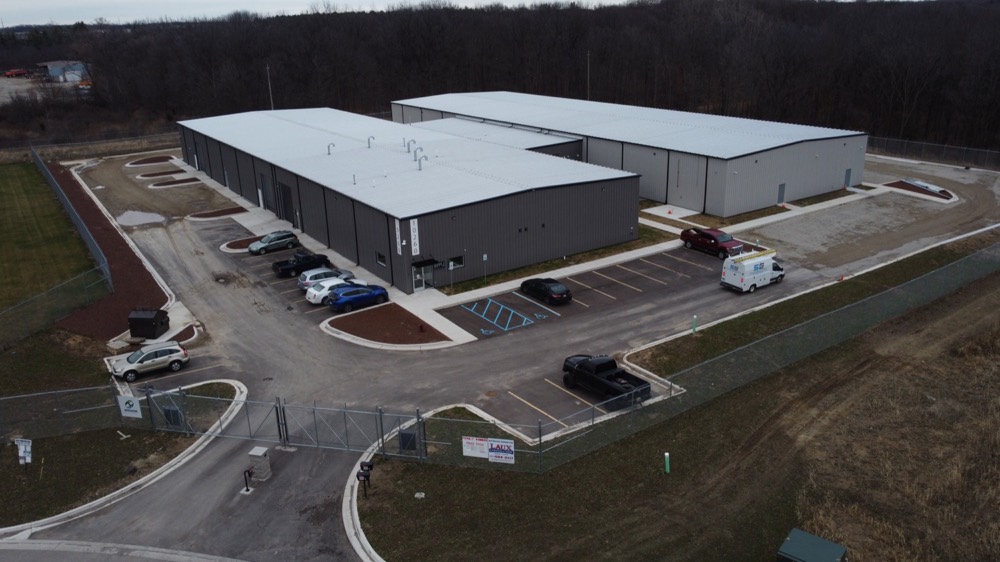
Small bay industrial development typically requires light industrial zoning, commonly designated as I-1, M-1, or similar in most Michigan and Midwest municipalities. This permits small-scale manufacturing, storage, contractor operations, and light fabrication. General industrial (I-2, M-2) is also permissible but may allow heavier uses.

Sites with existing industrial zoning are significantly faster and less risky to develop. Rezonings require public hearings, planning commission approval, and sometimes city council action, adding months and uncertainty to the timeline. Read the full zoning article →

Investment

Returns on small bay industrial investment depend on deal structure, market, and specific project performance. Ground-up development in secondary markets can generate development yields on cost (project NOI divided by total development cost) of 7–9% or higher in well-selected markets, with potential for additional value creation. Stabilized acquisitions trade at cap rates reflecting occupancy and market conditions.

Dymaxion structures deals on a project-by-project basis with preferred return structures. Returns are not guaranteed and past performance does not guarantee future results. Consult your financial advisor before making any investment decision. Read more about investing with Dymaxion →

Dymaxion works with accredited investors on a deal-by-deal co-invest basis. Each project is capitalized independently, investors review a specific project summary before deciding whether to participate. There is no blind pool or pre-committed capital; you evaluate each opportunity on its own merits.

To get started, use the intake form at the bottom of this page or on our investing page. Tell us about your investment interest, check size, timeline, markets, and we'll start a conversation. Qualified investors receive offering materials privately when an opportunity matches their profile.

Deal-by-deal investing means each opportunity is presented and capitalized independently, rather than pooled into a blind fund where investors commit capital without knowing where it will be deployed. Investors receive a full project package for each opportunity, specific site, market analysis, development budget, pro forma, and decide independently whether to participate.

This structure provides full transparency: you know exactly what you own, where it is, and how it's performing. Dymaxion uses a deal-by-deal structure for all investor co-invest opportunities because we believe transparency and deal-specific underwriting make better outcomes for everyone involved. Learn more about how Dymaxion structures deals →

Landowners

Industrial-zoned land owners have three primary options: sell outright for immediate liquidity and certainty, develop the property themselves (requires development expertise and construction financing), or partner with an experienced developer like Dymaxion to share in the development upside without taking on the full burden of execution.

The right answer depends on your goals, timeline, tax situation, and risk appetite. An outright sale maximizes certainty; self-development maximizes control and potential return but requires expertise most landowners don't have; a partnership is a middle path that captures upside with managed risk. Read the full landowner options article →

Dymaxion looks for sites that are: located in secondary Midwest markets with strong small bay demand; zoned light industrial (I-1, M-1, or equivalent) without requiring a major rezoning; large enough to support a meaningful number of units (typically 2+ acres); accessible from a public road with adequate truck maneuvering; and free from significant environmental or title complications.

The ideal site has existing industrial zoning, good road frontage or visibility, and is near established neighborhoods where the trade tenant base operates. If you own land that may fit, reach out, we'll tell you honestly what we see. Learn more about land partnerships →

In a Dymaxion land partnership, the landowner contributes their parcel's appraised value as equity into the development entity. Dymaxion contributes development expertise, project management, investor capital raise, and post-delivery property management. Returns flow to all equity partners, including the landowner, according to a negotiated waterfall that includes a preferred return before developer profit participation.

The landowner avoids the management burden of development while participating in the upside of their land's development potential. Deal structures vary based on site value, project scope, and individual landowner goals. Read the full landowner options article →

Still Have Questions?

We respond personally to every inquiry. If you didn't find your answer here, tell us your situation and we'll address it directly.

  • Investors, introduce yourself
  • Landowners, get an honest site assessment
  • Tenants, ask about available space
  • Anyone, no question is too basic
Get in touch

Talk to the team

Whether you're a landowner, investor, or prospective tenant, we're happy to answer questions directly.

Markets

Where to Build Small Bay Industrial: Market Selection

Not every market supports small bay development. The best opportunities share a specific combination of demand drivers, supply constraints, and land economics. Here's how to find them.
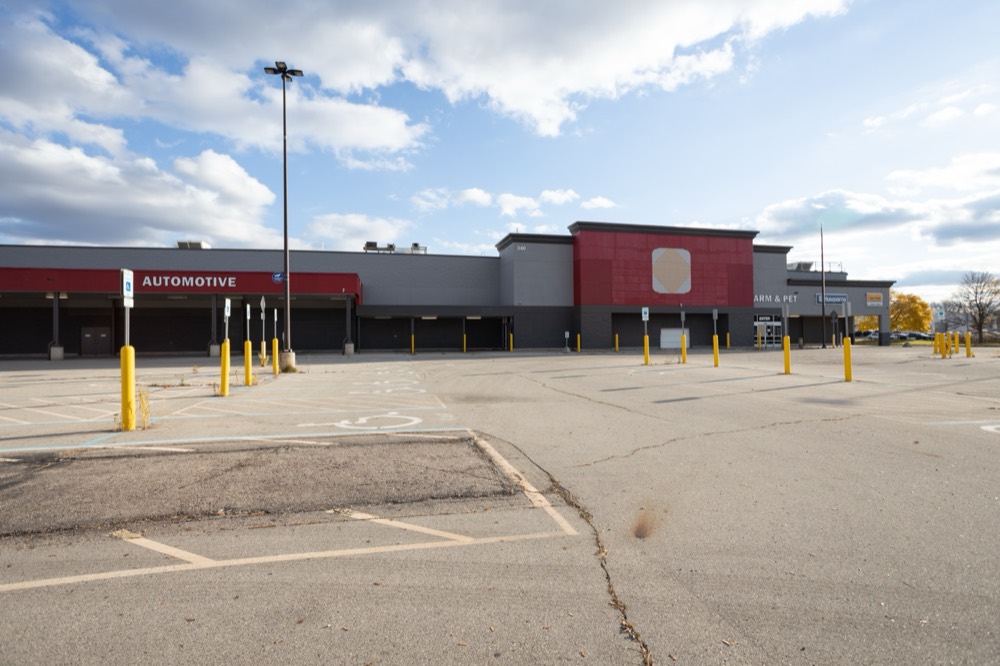
← Back to the Complete Guide

What Makes a Good Small Bay Market

Market selection is one of the highest-leverage decisions in small bay industrial development. Build the right product in the wrong market and you'll chase vacancy and underperform on rent. Build it in the right market and the property stabilizes quickly, stays full, and appreciates as rents grow against limited supply.
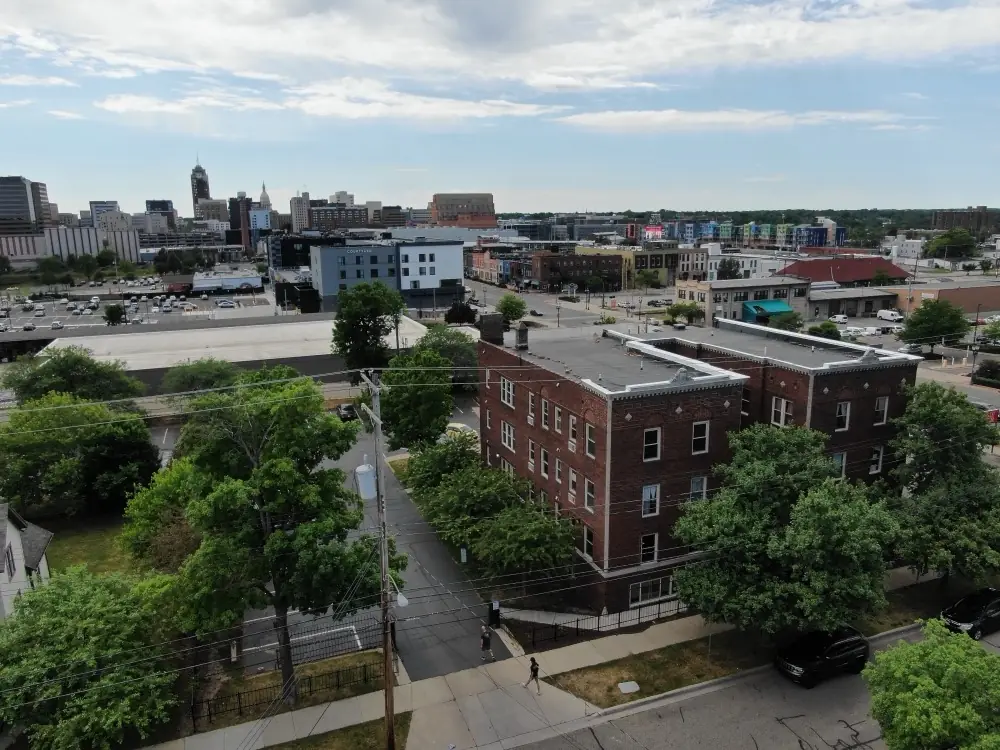
The characteristics that define a strong small bay market:

Strong Employment Base in Trade and Services

Small bay demand is driven by the density of trade businesses in a market. A metropolitan area with a large construction industry, significant manufacturing employment, and active service business formation will generate more small bay demand per capita than a market dominated by white-collar employment or government jobs. Look for markets with high concentrations of licensed contractors, auto businesses, and small manufacturers.

Inadequate Quality Supply

Many secondary markets have small bay demand that is being met, poorly, by aging 1960s–1980s stock with low clear heights, inadequate power, and deferred maintenance. These markets have unmet demand for quality product. When existing tenants are paying premiums to stay in substandard space because there's nothing better, it signals a real supply gap that new development can fill.

Land Economics That Support New Construction

Achievable rents must be high enough to support the cost of development on local land prices. Gateway markets (Chicago, Detroit, Columbus) often have land costs that make small bay development difficult to pencil at market rents, the numbers work for big-bay distribution, but the small bay rent premium isn't there. Secondary markets often have lower land costs and similar or better development yields.

Limited Institutional Competition

National developers and institutional capital are generally not focused on secondary small bay markets. The deals are too small, the management too intensive, and the exit pool too narrow for most institutional players. This leaves the market to local and regional operators who have ground-level knowledge and local relationships. Less competition means better site access and less rent compression from overbuilding.

Secondary vs. Gateway Markets

The distinction between secondary and gateway markets is central to the Dymaxion thesis. Gateway markets, Chicago, Detroit proper, Columbus, Indianapolis, have genuine small bay demand, but they also have:

  • Higher land costs that compress development spreads
  • More institutional developer competition that creates supply when rents rise
  • More complex entitlement environments with longer timelines
  • Higher construction costs from labor market competition

Secondary markets, regional metros of 100,000–500,000 population, county seats, and mid-sized Midwest cities, often have the same structural demand dynamics (lots of trade businesses, contractors, light manufacturers) with far more favorable supply conditions: cheaper land, less developer competition, simpler entitlements, and often a persistent backlog of unmet tenant demand from tenants who have been waiting for quality space.

The risk in secondary markets is lower absolute liquidity, fewer potential buyers at exit, but the development yield advantage often more than compensates for this, and hold-to-stabilize strategies generate strong cash returns in any case.

The Michigan and Midwest Opportunity

Michigan specifically presents a compelling case for small bay industrial investment. The state has a large, deeply rooted industrial and trade workforce, a legacy of automotive manufacturing that has diversified into a broad base of small-business manufacturing, skilled trades, and service businesses. This trade business density creates persistent small bay demand in markets that are far enough from Detroit to avoid the highest land costs but large enough to have genuine business ecosystems.

Lansing illustrates the pattern: a state capital with a major university, an entrenched trades and contractor base, and almost no new small bay product delivered in the last cycle. Asking rents for new small bay construction in the Lansing metro support $12.00 per square foot NNN underwriting, while older flex product trades well below it. That spread signals unmet demand for functional new space, not overbuilding.

Target secondary markets in Michigan and the broader Midwest include cities with established manufacturing employment, active home construction markets (which drive contractor demand), and limited new industrial supply. Markets near major highway networks benefit from improved supplier access for tenants receiving regular deliveries.

The broader Midwest benefits from population stability, affordable housing costs (which keep trade workers in the market), and a cultural emphasis on skilled trades and manual work that doesn't exist everywhere. Small bay industrial is fundamentally a bet on the local trade economy, and the Midwest's trade economy remains one of the most robust in the country.

How Dymaxion Selects Markets

Dymaxion's market selection process is qualitative and quantitative. Before committing to a new market, we evaluate:

  • Existing vacancy and asking rents: We review available CoStar data and engage local industrial brokers to understand the current state of the market. High occupancy at flat or rising rents signals genuine undersupply. Soft markets require stronger conviction on why our product is differentiated.
  • Historical absorption: How quickly has new small bay product leased up in this market in the past? Markets where the last new building delivered 10 years ago and was immediately absorbed signal persistent unmet demand.
  • Land availability and cost: We survey available industrial land in the target market, review recent land transactions, and model whether development pencils at conservative rent assumptions.
  • Competitive landscape: Who else is building small bay in this market? Are institutional developers active? Are there local operators who have proven the product? Knowing the competitive environment helps us understand the entry point.
  • Municipal relationships: Entitlement complexity and timeline are significant cost drivers. We favor markets where municipal staff are engaged and pragmatic, permitting timelines are reasonable, and impact fees are manageable.

Talk to Dymaxion

We operate in secondary Midwest markets and are always evaluating new sites and market entries. If you have market intelligence, land, or investment interest in these areas, reach out.

  • Active in Michigan secondary markets
  • Evaluating new Midwest market entries
  • Seeking land partners and co-investors
  • Happy to share market observations
Get in touch

Talk to the team

Whether you're a landowner, investor, or prospective tenant, we're happy to answer questions directly.

Finance

How to Finance Small Bay Industrial Construction

Ground-up small bay development requires a capital stack that includes both debt and equity. Here's how the financing works, from construction loan to permanent debt to investor equity.

← Back to the Complete Guide

The Capital Stack Overview

Every real estate development is capitalized through a "stack" of debt and equity. In small bay industrial development, the typical stack has two layers: a construction loan (debt) and equity from the developer and investors. Understanding how each piece works is essential for anyone thinking about developing or investing in this product type.

Typical Small Bay Capital Stack

Equity (Developer + Investors)
25 to 35% (our current project is capitalized at 25% equity)
Construction Loan (Senior Debt)
65 to 75% loan-to-cost

Construction Loans

A construction loan is short-term debt used to fund the development process, from breaking ground through lease-up and stabilization. Key characteristics of construction loans:

Loan-to-Cost (LTC)

Lenders typically advance a percentage of total project cost, not total project value. In small bay industrial development, most community banks and regional lenders will advance 65 to 75%; our current construction loan is sized at exactly 75% loan-to-cost of verified project cost. The remaining percentage must come from developer and investor equity. LTC requirements vary by lender, market, and borrower track record.

Recourse

Construction loans for small bay industrial, particularly for smaller developers without institutional relationships, are almost always full personal recourse to the developer. This means the loan is backed by the developer's personal guarantee, not just the project's assets. Lenders take on significant risk during construction (when there is no income and significant money is at stake), and they require recourse as the price of access.

As a developer builds a track record with a lender and demonstrates consistent project delivery, limited recourse or non-recourse structures may become available. First-time or early-track-record developers should plan for full recourse on construction financing.

Interest Rate and Term

Construction loans are typically floating-rate instruments tied to the Prime Rate or SOFR plus a spread. The term covers the construction period plus a stabilization runway, typically 18–24 months total. Interest is typically interest-only during the construction and lease-up period and is funded from the loan proceeds (not paid out of pocket by the developer during construction).

Lender Appetite for Small Bay

Community banks and regional banks are the primary lenders for small bay industrial development. National banks generally don't lend on projects of this size, and credit unions have regulatory limits that often restrict commercial real estate exposure. The best relationships are typically with banks that are active in the local market and understand the industrial submarket.
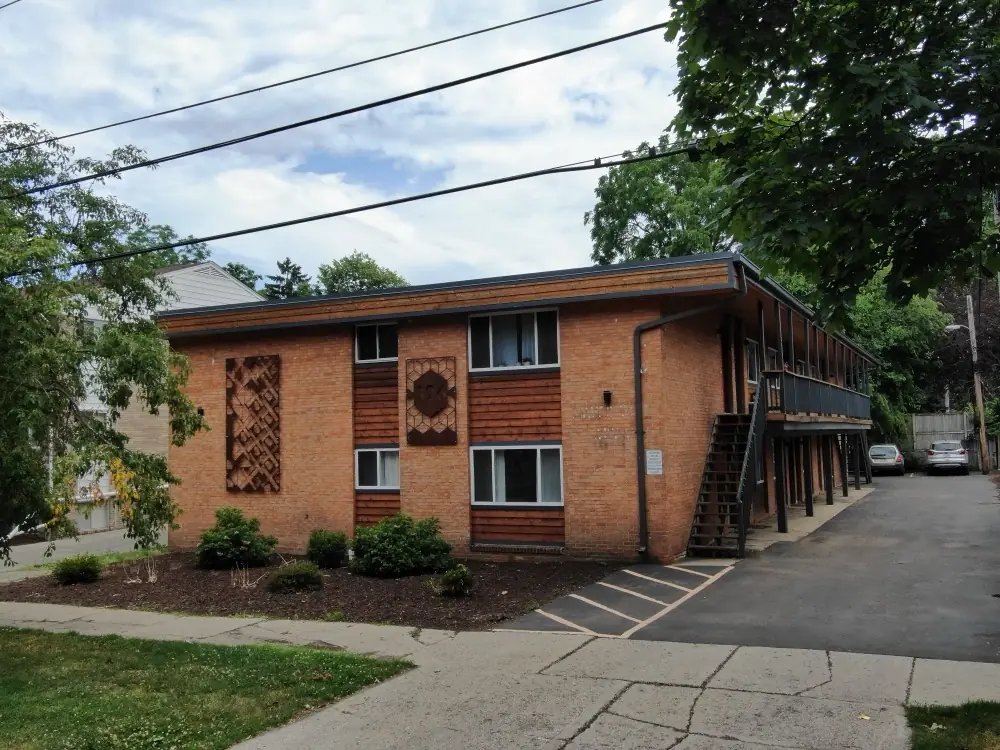
What makes a lender comfortable: experienced developer, credible project cost (backed by contractor bids), realistic rent assumptions (backed by broker market surveys), and adequate equity in the deal. First-time developers will face more scrutiny and may need to bring additional collateral or accept tighter terms.

Permanent Financing and Takeout

A construction loan must eventually be replaced, or "taken out", by permanent long-term debt once the project is stabilized. The permanent loan is based on stabilized property value (which is based on stabilized NOI and market cap rates), not project cost. This is a critical transition: if the project performs well, the permanent loan can refinance the construction loan and potentially return equity to investors. If performance is below underwriting, the takeout may come up short.

Permanent Loan Characteristics

  • Loan-to-Value (LTV): Permanent lenders advance a percentage of stabilized value. Typical LTV for small bay industrial is 65 to 75%, though in practice the debt service coverage requirement, not LTV, is usually the binding constraint. Our current permanent loan sizing is capped by its 1.20x DSCR covenant, not the 75% LTV limit.
  • Debt Service Coverage Ratio (DSCR): Lenders require that property NOI cover the proposed debt service by a required multiple, typically 1.20–1.35x. If the NOI doesn't support adequate coverage, the lender will reduce the loan amount. DSCR constraints often determine loan sizing more than LTV.
  • Fixed vs. floating rate: Permanent industrial loans are often fixed for 5–10 years, then adjustable. Locking in rate certainty is valuable in volatile rate environments.
  • Amortization: Small bay industrial permanent loans typically amortize over 20–25 years, with a balloon payment at the end of the term.

Equity Structure

The equity portion of a small bay deal comes from two sources: the developer and outside investors. How equity is structured between these parties determines each party's risk, return, and control.

Developer Equity

Developers typically contribute a meaningful portion of equity as evidence of their commitment and alignment with investor interests. The developer's equity may include cash, land value (if they own the site), or in-kind contributions (sweat equity for pre-development work). Developer skin-in-the-game matters to lenders and investors alike.

Investor Equity

Outside investors fill the equity gap between the developer's contribution and the total equity required. Investors receive a preferred return, a priority rate of return on their invested capital before the developer participates in profits. Above the preferred return, the developer earns a "promote", a larger-than-proportional share of remaining profits.

Dymaxion structures terms deal by deal and publishes the full waterfall, preferred return, and promote in each offering's data room. Typical investor checks run $150,000 to $500,000, and the sponsor co-invests alongside investors in every project.

What Lenders Want to See

Getting a construction loan approved requires more than just asking. Lenders evaluate several factors systematically:

  • Developer track record: Have you built and delivered similar projects on budget and on schedule? First-time developers are fundable but face more scrutiny and may need more collateral.
  • Market analysis: A credible analysis of local market conditions, vacancy rates, asking rents, recent comparable leases, that supports the rent assumptions in the pro forma.
  • Contractor relationships: A signed construction contract (or at minimum, competitive bids) from a licensed, experienced contractor. Unpriced construction is the most common loan application weakness.
  • Equity commitment: Evidence that the equity is actually committed, not just a letter of intent from investors, but a funded equity commitment or deposit. Some lenders require equity to be injected before loan funds are advanced.
  • Site control: Proof of site ownership or a recorded purchase contract. Lenders won't commit to a loan on a site you don't control.
  • Environmental and title clearance: Phase I environmental assessment and clean title are non-negotiable for any institutional lender.

Talk to Dymaxion

Whether you're looking to co-invest, partner on land, or understand how we structure deals, we're happy to have a real conversation.

  • Deal-by-deal equity co-invest
  • Lender relationships in Michigan markets
  • Transparent capital stack reporting
  • Ground-up new construction focus
Get in touch

Talk to the team

Whether you're a landowner, investor, or prospective tenant, we're happy to answer questions directly.

Comparison

Small Bay vs. Large Bay Industrial: A Side-by-Side Comparison

Small bay and large bay industrial share the "industrial" label but are fundamentally different products. Here's how they compare across every dimension that matters to developers, investors, and tenants.

← Back to the Complete Guide

The Side-by-Side Comparison

Characteristic Small Bay Industrial Large Bay Industrial
Typical Unit Size 1,000 – 5,000 sq ft per unit 50,000 – 1,000,000+ sq ft (single tenant)
Clear Height 12 – 18 feet 28 – 40+ feet
Loading Type Grade-level overhead doors Dock-high loading (4+ ft above grade)
Number of Tenants Many (6 – 40+ per building) One or two
Tenant Type Small businesses, contractors, trade businesses, light mfg Distributors, large manufacturers, e-commerce fulfillment
Lease Term 1 – 5 years typical 5 – 20+ years typical
Tenant Credit Small business owners; personal guarantee Corporate credit; often investment-grade
Building Size 10,000 – 100,000 sq ft total 100,000 – 1,000,000+ sq ft
Hard Cost/Sq Ft $80 – $140/sq ft (varies) $60 – $120/sq ft (lower per sq ft, but much larger projects)
Site Requirements 2 – 10 acres; infill-compatible 20 – 200+ acres; highway-adjacent logistics corridors
Management Intensity High (many tenants, active mgmt) Low (1–2 tenants, triple net leases)
Institutional Buyer Pool Limited (private, regional operators) Deep (REITs, pension funds, sovereign wealth)
Going-In Cap Rate Higher (management intensity premium) Lower (credit quality, institutional liquidity)
Vacancy Risk Low per-unit; distributed across many tenants High, one vacancy = 100% vacancy
Development Timeline 12 – 24 months 18 – 36+ months

Physical Differences

The most obvious difference between small bay and large bay industrial is scale. A typical large bay distribution center is a single massive box: 300,000+ square feet under one roof, accessed by dozens of loading docks arranged around the perimeter, with 30–40 feet of clear height to allow racking systems to store pallet goods 4–6 levels high. The site may require 50–200 acres to accommodate truck staging, trailer parking, and employee parking.

Small bay is the opposite in almost every dimension. Buildings are smaller (10,000–80,000 square feet), sites are smaller (2–10 acres), and loading is grade-level rather than dock-high. Units are sized for trucks and vans, not semis. Clear heights are designed for one-story vertical storage or a mezzanine, not industrial racking systems. The design philosophy is functional simplicity for the small business operator, not logistics optimization for supply chain efficiency.

Tenant Differences

Large bay industrial tenants are corporations: Amazon, FedEx, tier-one auto suppliers, regional distributors, third-party logistics companies. These tenants have legal departments, sophisticated financial structures, and the ability to negotiate complex leases with carefully defined terms. Their credit is understandable, often publicly traded or backed by private equity, and their leases are clean, long-term, and often with built-in escalations.

Small bay tenants are small business owners. Their credit is personal and informal, verified through bank statements, tax returns, and business history rather than DUNS scores and audited financials. Their leases are shorter. Their businesses are local and relationship-driven. The risk profile is fundamentally different, and requires a different underwriting approach.

What small bay tenants offer in return for less institutional credit quality is high switching cost and sticky occupancy. A trade business that has been operating from a location for five years isn't going anywhere to save $200 a month in rent. The psychological and logistical cost of moving outweighs the financial savings in almost every scenario. This produces the persistently low vacancy rates that define well-operated small bay properties.

Development Differences

Large bay industrial development is simpler in execution than small bay, at least at the building level: one building, one or two tenants pre-leased before construction begins (spec is risky in big bay), one set of construction documents, one general contractor. The complexity is at the financing level, deals are massive, requiring institutional equity and debt that is unavailable to smaller developers.

Small bay development is more complex at the unit and tenant level: design for 15–25 individual units with individual utilities, individual entry points, individual doors, and individual lease negotiations. But the project size is accessible to regional developers and local capital partners who can structure the deal without institutional backing. The entry point is lower, and the expertise required is different, more about leasing and management than logistics optimization.

From a timing perspective, large bay development often requires pre-leasing before a construction loan will fund, lenders want to see the anchor tenant committed before they put money at risk. Small bay can often be developed on a speculative basis in markets with strong demand, because the risk is distributed across many tenants and the lease-up timeline is generally shorter. If one unit doesn't lease, 19 others are still paying rent.

Investment Return Differences

Large bay industrial trades at tight cap rates because institutional investors compete for it and the tenants are creditworthy. A Class A distribution center on a long-term Amazon lease might trade at a 4–5% cap rate in a major logistics corridor, meaning buyers are paying 20x NOI for near-certainty of income.

Small bay industrial trades at higher cap rates, typically 6–8%+ in secondary markets, because the buyer pool is smaller, the management is more intensive, and the income is less "institutional." This higher cap rate means higher going-in cash yield for investors and also reflects genuine execution risk that requires active, competent management to mitigate.

The question is which risk-return profile is right for the investor's situation. For investors who want creditworthy passive income and don't care about yield, large bay institutional product makes sense. For investors who want higher yields, are comfortable with a competent operator managing execution, and prefer the distributed vacancy risk of many small tenants over the binary risk of one large tenant, small bay offers a compelling alternative.

Why Dymaxion Focuses on Small Bay

Dymaxion is a small bay specialist because we believe the return profile and the competitive dynamics are superior in secondary markets. Large institutional capital cannot effectively operate small bay in secondary markets, it's too small to move the needle for a billion-dollar fund, and the management intensity doesn't fit the passive investment mandate. This leaves the field open for regional operators who are willing to do the work.

We also believe that the structural demand for small bay, driven by local trade businesses that cannot be offshored or disrupted digitally, is more durable than the demand for big-bay distribution, which faces the risk of supply chain reshoring, automation, and geographic consolidation. The plumber who needs a bay in Lansing needs it regardless of what Amazon does with its warehouse network.

Talk to Dymaxion

We focus exclusively on small bay industrial in secondary Midwest markets. If you're an investor, landowner, or tenant, reach out.

  • Small bay specialists, not everything to everyone
  • Secondary Midwest market expertise
  • Ground-up new construction focus
  • In-house management through DPMG Prime
Get in touch

Talk to the team

Whether you're a landowner, investor, or prospective tenant, we're happy to answer questions directly.

Operations

How to Manage Small Bay Industrial Properties

Property management is where small bay industrial succeeds or fails at the unit level. More tenants per square foot means more decisions, more relationships, and more opportunities to add or destroy value.

← Back to the Complete Guide

Why Management Matters More in Small Bay

In a single-tenant NNN industrial building, property management is relatively passive: collect rent, pay taxes and insurance, respond to occasional capital needs. The tenant is essentially running the property. In small bay industrial, the math is different. A 20-unit complex has 20 lease relationships to maintain, 20 renewal conversations to manage, 20 sets of maintenance requests to respond to, and 20 individual businesses whose health and happiness determines your occupancy rate.

This management intensity is one reason institutional capital has been slow to enter the small bay space. It's also the primary reason operator quality is so consequential. A poorly managed small bay property, slow maintenance response, loose tenant screening, inconsistent enforcement of lease terms, will trend toward higher vacancy and lower rent growth than the same property managed well. The difference between good and mediocre management can easily be 100–200 basis points of NOI margin on a stabilized portfolio.

Dymaxion manages its properties in-house through DPMG Prime, our property management affiliate, specifically to maintain the quality and responsiveness that drives tenant retention.

The Four Pillars of Small Bay Management

1. Leasing: Tenant Sourcing and Screening

The leasing process begins with marketing available units and ends with a signed lease from a qualified tenant. In small bay, marketing is primarily local: Google Business listings, Craigslist, LoopNet for commercial listings, signage at the property, and referrals from existing tenants. Most small bay tenants are not working with brokers, they're finding space themselves. Digital visibility and direct phone responsiveness matter enormously.

Tenant screening for small bay is more art than science. Traditional commercial credit reports are often less useful for small businesses than a direct conversation, a bank statement review (3 months is typical), a look at their business history, and verification that they actually have an operating business that needs the space. Screening should filter for: established businesses (not startups with no revenue history), realistic space use matches (a contractor needing a welding shop is a better fit than a retail business), and principals who understand and accept the lease terms.

2. Lease Execution and Administration

A well-drafted lease is not just a legal formality, it's a management tool. Clear terms about permitted use, maintenance obligations, hours of access, shared area conduct, signage, and what happens at lease end prevent most disputes before they happen. Personal guarantees should be executed at the same time as the lease; they cannot be added later without renegotiation.

Lease administration, tracking term dates, escalation schedules, insurance certificate renewals, and security deposit accounting, requires systems. A property management platform (even a basic one) is essential for a portfolio of more than a few units. Manual tracking in spreadsheets is a liability waiting to happen.

3. Maintenance: Grade-Level Units and Common Areas

Grade-level industrial units have specific maintenance demands: overhead door springs and cables that fail periodically, slab cracks that need to be addressed before they become trip hazards, HVAC unit heaters that need annual service, and exterior doors and windows that take more wear than residential equivalents. None of these are exotic, they're predictable and manageable with a preventive maintenance program.

Common area maintenance in a small bay complex typically covers: parking lot integrity and seal-coating (every 3–5 years), snow removal from parking and drive aisles (contractually defined), exterior lighting (LED upgrades extend replacement cycles meaningfully), landscaping, and building exterior condition. A well-maintained exterior is a meaningful marketing asset, the first impression for a prospect walking into a vacant unit is the parking lot and building facade.

Response time to maintenance requests is one of the highest-leverage management metrics. Small business tenants who work in their space daily notice quickly whether a landlord responds within hours or days. Fast response to maintenance requests is one of the strongest drivers of renewal rate, it builds the trust that makes tenants want to stay.

4. Tenant Relations and Retention

Renewal is the most cost-effective leasing outcome. A renewal requires no broker commission, no vacancy carry, and no turnover preparation cost. It also preserves the income continuity that drives asset value. Proactive renewal management, reaching out to tenants 6 months before lease expiration rather than waiting for them to make the first call, dramatically improves renewal rates.

Tenant relations in small bay are personal. The landlord (or property manager) who knows each tenant's name, knows what their business does, and knows about their lives is in a fundamentally stronger position than the absentee landlord who only calls when rent is late. Regular property walk-throughs, proactive communication about any property changes or issues, and genuine responsiveness to concerns are the foundation of high tenant retention.

When tenants do need to leave, business closure, business grew out of the space, relocation, handling the departure professionally and maintaining goodwill generates referrals. The best new tenant leads often come from past tenants who had a good experience with how they were treated on the way out.

How DPMG Prime Manages Dymaxion's Portfolio

DPMG Prime is Dymaxion's property management affiliate, built specifically to manage small bay industrial properties in the secondary Midwest markets where Dymaxion develops. We don't outsource management to a third-party firm, we built our own management capability because we believe in-house management is a competitive advantage.

What that means in practice: The people who manage your unit are the same people who know the buildings intimately, who were involved in their development, and who have a direct economic stake in the properties performing well. There is no handoff, no communication gap between "the developer" and "the manager", it's the same team.

DPMG Prime's approach: fast maintenance response (we target same-day or next-day acknowledgment for all requests), proactive lease renewal outreach starting 6 months before term end, regular property walks to catch maintenance issues before they become tenant complaints, and clear tenant communication on anything that affects their business.

Investors in Dymaxion deals receive quarterly reporting that includes portfolio occupancy, rent collections, and any significant property or tenant events. There are no surprises, and no third-party management fee that creates a misaligned incentive structure.

Talk to Dymaxion

We develop and manage small bay industrial in secondary Midwest markets. In-house management is core to our model, not an afterthought.

  • In-house management through DPMG Prime
  • Fast maintenance response, same team, no handoffs
  • Proactive renewal management to minimize vacancy
  • Quarterly investor reporting on portfolio performance
Get in touch

Talk to the team

Whether you're a landowner, investor, or prospective tenant, we're happy to answer questions directly.

Entitlements

Zoning for Small Bay Industrial: What You Need to Know

Entitlement is one of the highest-risk phases of small bay development. Understanding the zoning classifications, process, and common hurdles before you buy a site is essential.
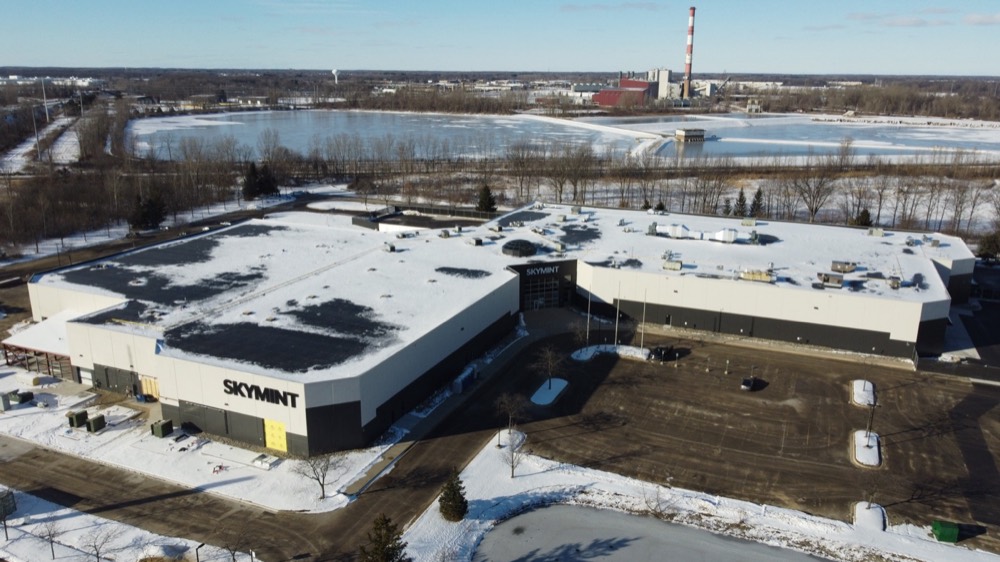
← Back to the Complete Guide

Common Zoning Classifications for Small Bay Industrial

Industrial zoning classifications vary significantly by municipality, there is no national standard. The terminology differs, the permitted uses differ, and the development standards (setbacks, height limits, impervious cover ratios) differ. Understanding the specific zoning ordinance in your target municipality is essential; general knowledge of how these categories typically work is a starting point, not a substitute for local due diligence.

Preferred

I-1 / M-1, Light Industrial

Light industrial zoning is the most appropriate classification for small bay industrial development in most markets. Typical permitted uses: manufacturing at small scale, assembly operations, contractor operations, storage, light fabrication, and distribution. Usually excludes heavy industrial uses like foundries, chemical production, or operations with significant environmental impact. This is Dymaxion's target zoning for new development.
Acceptable

I-2 / M-2, General Industrial

General industrial zoning permits a broader range of uses, including heavier manufacturing and processing operations. Small bay development is permissible, but the broader use allowances mean potentially louder, heavier, or more intensive neighbors. In some markets, the I-2/M-2 zone is also the only available industrial designation, making it the de facto option for any industrial development. Acceptable for small bay, with awareness of what may be built nearby.
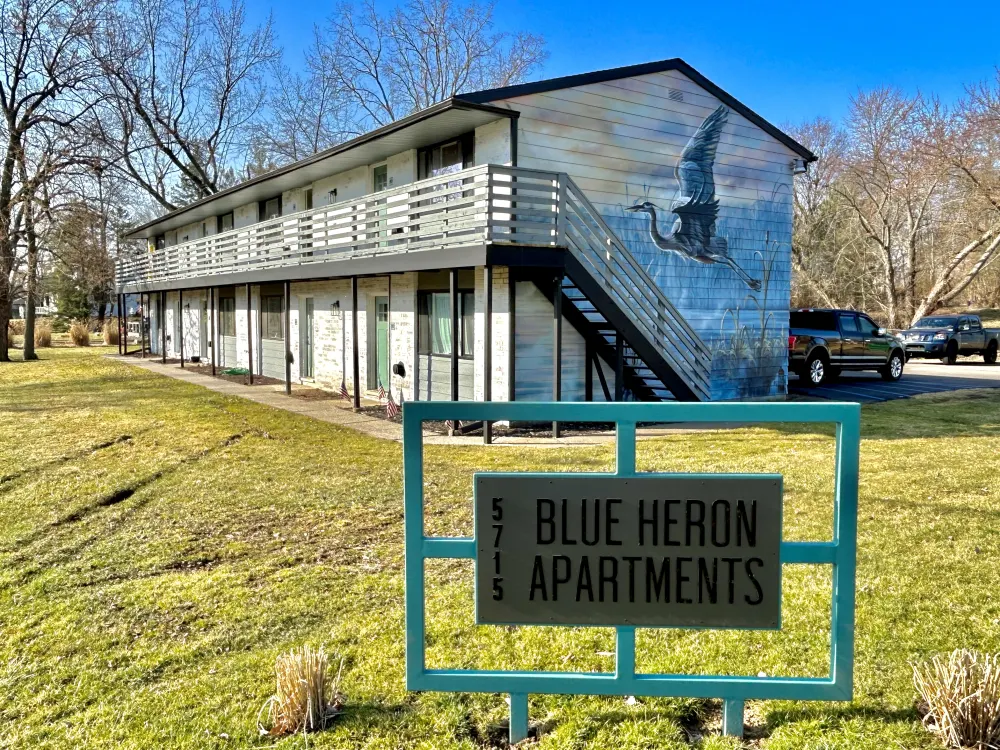
Situation-Dependent

Business Park / Industrial Park Overlay

Some municipalities have adopted planned industrial park zoning or overlay districts that apply additional development standards beyond base industrial zoning, landscaping requirements, facade standards, signage restrictions. These can add cost and complexity but also tend to produce better-looking developments that hold value longer. Evaluate overlay requirements before committing to a site.

Avoid

Residential or Commercial Zones

Small bay industrial development is almost never achievable in residential or general commercial zones without a variance or special use permit, a process that is uncertain, time-consuming, and often politically contentious. Sites in these zones should be avoided for new industrial development unless there is a specific reason to believe a rezoning is realistic and achievable.

What Uses Are Typically Allowed in Light Industrial Zones

Light industrial zoning (I-1, M-1) in most Midwest municipalities permits the following uses by right (meaning no special approval is needed beyond building permits):

  • Manufacturing of goods at small or medium scale
  • Assembly and fabrication operations
  • Contractor operations and trade businesses (vehicle storage, material storage, shop work)
  • Warehouse and distribution (at small scale)
  • Auto services in some municipalities (others require a specific use permit)
  • Accessory office use within a primarily industrial building
  • Retail sales incidental to industrial use (varies widely, some municipalities allow it, some prohibit it)

Uses that are commonly prohibited or require special permits in light industrial zones include: residential use, retail as a primary use, restaurants, and heavy manufacturing with significant noise, odor, or environmental impact.

The Entitlement Process Overview

Entitlement is the process of obtaining municipal approval to develop a property as proposed. Even on a site that is already zoned appropriately, some level of entitlement is required, at minimum, site plan review and building permits. Here's a simplified overview of the typical sequence:

1

Zoning Verification and Pre-Application Meeting

Confirm that the site is zoned appropriately for your intended use. Most municipalities allow (and some require) a pre-application meeting with the planning department before submitting formal plans. This meeting is invaluable, it surfaces any known concerns early and establishes a relationship with the planner who will review your application.

2

Site Plan Preparation

Your civil engineer and architect prepare a formal site plan showing building footprint, parking, drive aisles, utilities, stormwater management, landscaping, and signage. This plan is submitted for review and must comply with all applicable zoning requirements, setbacks, height limits, impervious cover, parking ratios.

3

Site Plan Review

The planning department reviews the site plan for compliance with the zoning ordinance. They may circulate to other departments (engineering, fire, public works). Comments and required revisions are returned to the applicant. This process can take 2–8 weeks depending on the municipality's workload and the complexity of the project. Multiple rounds of revision are common.
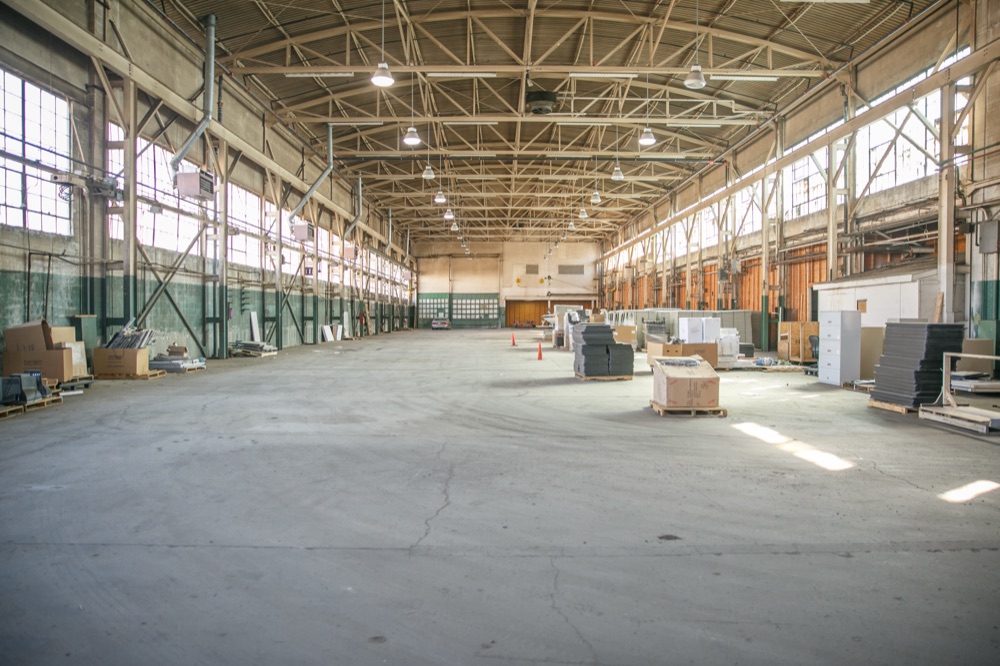
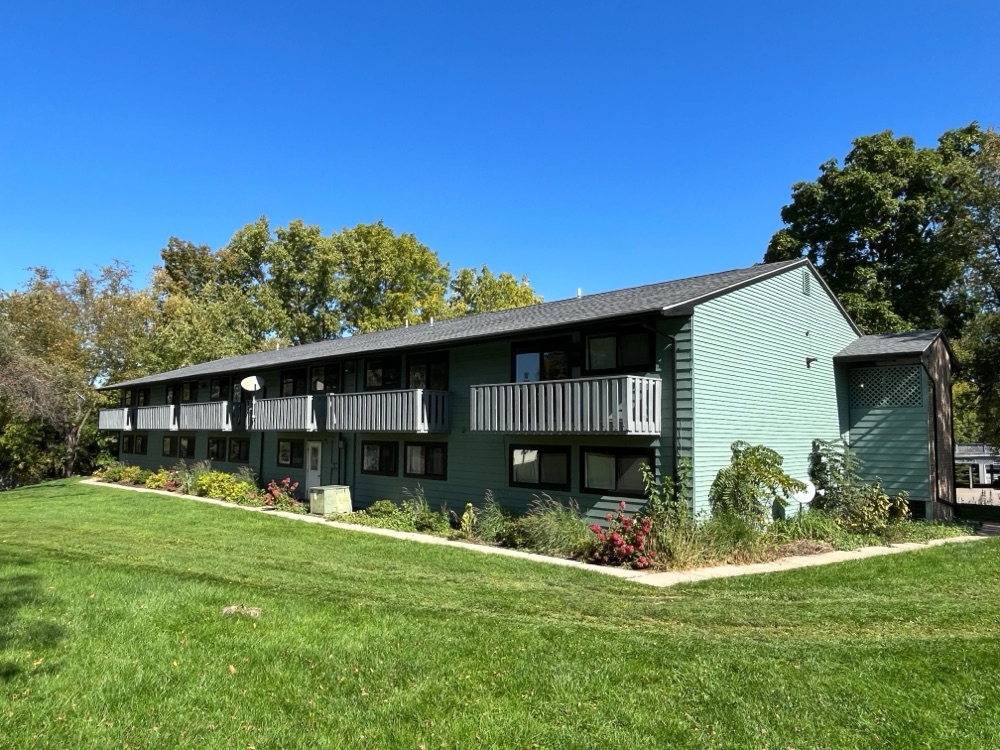
4

Planning Commission or Administrative Approval

Depending on the municipality and project type, final site plan approval may require Planning Commission action (a public meeting with public comment period) or may be handled administratively (staff approval without a public hearing). Sites requiring a rezoning or special use permit always require Planning Commission and often City Council action, adding months and public hearing risk to the timeline.

5

Building Permits

Once site plan approval is obtained, your architect and engineer prepare construction documents for building permit review. Building permit review evaluates compliance with building codes (structure, fire, accessibility) separately from zoning. Once permits are issued, construction can begin. Permit timelines vary from a few weeks to several months depending on the municipality and the complexity of the project.

Common Entitlement Hurdles

Even on well-zoned sites, entitlement is rarely frictionless. The most common hurdles developers encounter:

  • Stormwater management requirements: Many municipalities require on-site stormwater detention or retention for new impervious surfaces. This is one of the most common and expensive site design challenges in small bay development, detention basins take up land area, add cost, and require ongoing maintenance. Early engagement with civil engineering on stormwater is essential.
  • Neighboring use conflicts: Industrial-zoned land sometimes abuts residential neighborhoods. When it does, neighbors may appear at public hearings to oppose development. Responding to legitimate concerns (lighting spillover, traffic, noise hours) professionally and proactively is far more effective than dismissing neighbor input.
  • Access and traffic: High-traffic sites may require a traffic impact study; municipalities may require road improvements or signal upgrades as a condition of approval. Access management (limiting or consolidating driveway access onto major roads) is an increasingly common requirement.
  • Environmental review: Phase I environmental assessments are standard; Phase II investigation may be required for previously developed or contaminated sites. Environmental findings can affect feasibility and timeline significantly.
  • Utility capacity: In some markets, public utility capacity (water, sewer, electrical) may be limited or require extension. Utility connection timing and cost should be confirmed before site acquisition.

Working with Municipalities

The developer-municipality relationship is one of the most important factors in entitlement success. Developers who show up to pre-application meetings, listen to staff concerns, and address them proactively generally have smoother processes than those who treat municipal review as an obstacle to be minimized. Planners are people doing a job, the more you help them understand your project and its community benefits, the more likely they are to recommend approval.

Key practices for productive municipal relationships:

  • Meet with planning staff before submitting plans, understand their concerns before they show up as formal comments
  • Respond promptly and completely to every staff comment, partial responses generate additional rounds of review
  • Know the zoning ordinance, showing up having done your homework earns credibility
  • Be honest about project details, planning staff and commissioners hear from many developers and can quickly identify evasiveness
  • If neighbor concerns emerge, engage directly and problem-solve rather than minimizing

Michigan-Specific Zoning Notes

Michigan zoning runs through the Michigan Zoning Enabling Act (PA 110 of 2006), which delegates zoning authority to individual cities, villages, and townships. Industrial district standards, special land use requirements, and site plan review processes therefore vary municipality by municipality, even within the same county. Most mid-Michigan communities we work in accommodate small bay use in their light industrial districts either by right or as a special land use, and townships, where much of the developable industrial land sits, administer their own ordinances under the same act. The practical consequence: site selection is as much about the municipality's ordinance and review culture as about the parcel itself, which is why we engage planning staff before we tie up land.

Own a Site? Let's Talk.

If you own industrial-zoned land or are evaluating a site in Michigan or nearby markets, Dymaxion can help you understand what's developable and how the entitlement process works.

  • Experienced with Michigan municipal entitlement
  • Network of land use attorneys and civil engineers
  • We can assess site feasibility before you commit
  • Land partnership structures available
Get in touch

Talk to the team

Whether you're a landowner, investor, or prospective tenant, we're happy to answer questions directly.

Dymaxion Group › Development
01

Development

Ground-up industrial and multifamily in markets where quality supply hasn't caught up to real demand.

Municipalities

Let's build what your community needs.

We work directly with municipalities on small bay industrial and workforce housing projects that create jobs, generate tax base, and strengthen neighborhoods. We know the entitlement process and we show up for public hearings.

Landowners

Your land. Our expertise.

We buy, ground lease, or co-develop sites that fit our thesis. If you own land in a Michigan metro market, bring it to us, we'll tell you what it can hold, what it's worth, and how we'd structure a deal.

Owner's rep

Need someone in your corner?

We serve as owner's representative for developers and investors who need experienced oversight on a project, process management, vendor accountability, budget control, and decision support from someone who's been in the seat.

Go deeper → Portfolio Small bay industrial hub Development costs Market selection Zoning guide
We also represent owners on third-party capital projects. See our Owner's Representation practice ›
Start a conversation

Tell us about your project or site.

Whether you're a municipality exploring a partnership, a landowner with a site, or looking for an owner's rep, start here and we'll connect you with the right person on our team.

Dymaxion Group › Capital
02

Capital

We raise, deploy, and return capital in underbuilt real estate markets. Deal-by-deal. Full transparency.

Accredited investors

Invest alongside us.

We syndicate individual deals to accredited investors, no blind pools. You see the asset, the underwriting, and the structure before you commit. Quarterly reports, K-1s by March 15. Direct access to Jeff, conversation-first approach.

Your investor journey
01
Request a call, fill out the form below
02
Intro call with Jeff, deal overview, your questions answered
03
Docs via AppFolio IM, subscription agreement, accreditation verification, W-9
04
Funded & onboarded, quarterly reports, portal access, direct line to Kenzie
Lenders & banks

We're active borrowers.

Dymaxion has a strong track record across construction loans, permanent financing, and bridge facilities in the Midwest industrial and multifamily markets. We come prepared with full underwriting packages.

Go deeper → How we invest Investor access Small bay investing Financing structure Insights
Asset management as a service
Own the real estate. Hand us the work.
Not every owner can, or wants to, run their real estate. We act as a third-party asset manager: protecting value, growing income, and giving you one accountable team across financial oversight, operations, capital planning, and reporting, backed by our in-house development, property management, and maintenance. You keep ownership and control; we carry the day-to-day.
Institutional & larger owners
Portfolios that need disciplined, reportable asset management without building an in-house team.
Family offices
Direct real estate allocations managed with institutional discipline: one accountable team, clean reporting, and a principal-to-principal relationship.
Absentee & out-of-state owners
Local eyes, hands, and accountability on the ground while you stay wherever you are.
Estates & trusts
Steady, transparent stewardship of inherited or trust-held property, with clean reporting for beneficiaries.
Attorneys & fiduciaries
Managing property on someone else's behalf? We give you a reliable operating partner and an audit-ready paper trail.
Court-appointed receivers
Fast, defensible stabilization and operation of assets under receivership, with documentation that holds up.
Get started

Start the conversation.

Jeff personally speaks with every prospective investor. Fill this out and we'll follow up within one business day to schedule an intro call. All deals are Reg D, accredited investors only.

Dymaxion Group › Management
03

Management

Third-party property management through DPMG Prime, the same platform we use on our own assets.

3rd party property owners, asset management

We manage your asset like we own it.

Leasing, maintenance, accounting, and asset optimization under one roof, through DPMG Prime. We serve multifamily, commercial, and small bay industrial owners across Michigan who want professional management without a corporate middleman.

Tenants & prospective renters

Looking for a place or a space?

Every property we manage leases through DPMG Prime: apartments, commercial space, and flexible office at The Hive. Browse live availability and apply online.

3rd party owners, development owner's rep

Oversight from someone who's built it.

If you own a development project and need experienced management oversight, not just a project manager, we step in as owner's representative. We've been through entitlement, construction, and lease-up. We know what to watch for.

Related → About DPMG Prime Portfolio dpmgprime.com
Free property analysis

Tell us about your property.

Whether you're looking for full management, an owner's rep, or just want to know what your asset could perform under professional oversight, start here. No cost, no commitment.

Dymaxion Group › Maintenance
04

Maintenance

In-house maintenance delivered through DPMG Prime, fast response, accountable team, no outsourcing.

Tenants

Need to submit a maintenance request?

All maintenance requests are handled through DPMG Prime, our property management platform. Log in to your tenant portal or visit dpmgprime.com to submit a request. Our in-house team responds fast.

Property owners

In-house maintenance on your asset.

Our maintenance team, Steve, Russ, Jack, and Mike, operates full-time across our managed portfolio. No outsourced vendors, no markup games. If your property is under DPMG management, maintenance is handled by our own people.

Related → Management DPMG Prime Owner portal