A vertically integrated real estate firm headquartered in Lansing and growing into new markets. We develop it, raise the capital, manage it, and maintain it, so one team is accountable for the whole asset. Twenty-four years, 400+ projects, and one team accountable from underwriting through maintenance.
400+Projects since 2002
$145MMDeveloped & in process
1MM+Sq ft built & owned
What we do
Four disciplines. One roof.
01
Development
We build what your market is missing.
400+ projects since 2002
→
MunicipalitiesLandownersOwner's rep
02
Capital
Passive ownership of essential real estate.
$145MM completed & in process
→
InvestorsBankers
03
Management
Professional operations for property owners.
1MM+ sq ft under management
→
Property owners3rd party assets
04
Maintenance
In-house. On time. Done right.
In-house crews for every property we manage
→
TenantsProperty owners
Work with us
Three ways owners put our team to work.
Beyond our own portfolio, outside owners hire Dymaxion directly. Three distinct services, one accountable operator behind all of them.
Multifamily, industrial, self-storage, mixed-use, and adaptive reuse, delivered and run by one team across the Midwest.
Multifamily
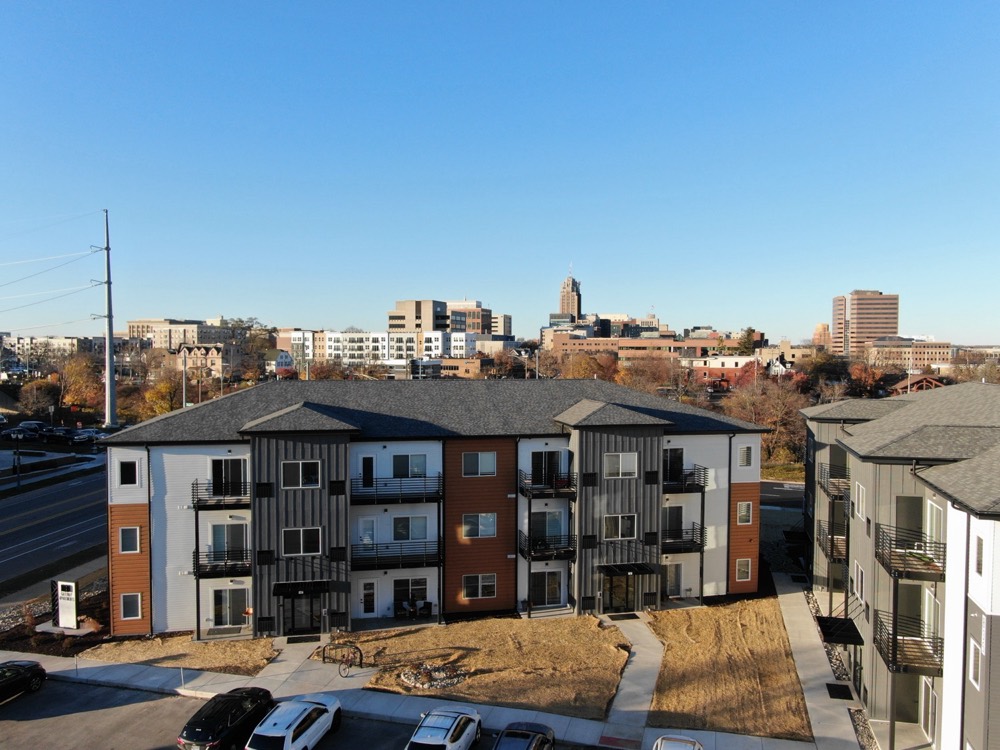
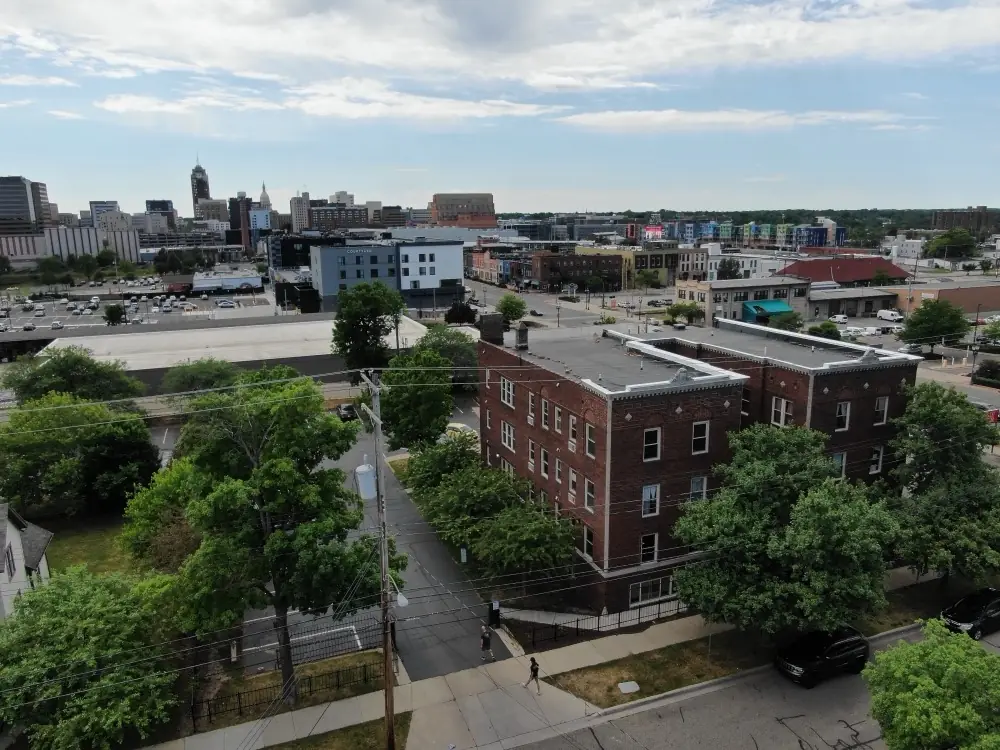
REO Gateway Apartments
Industrial
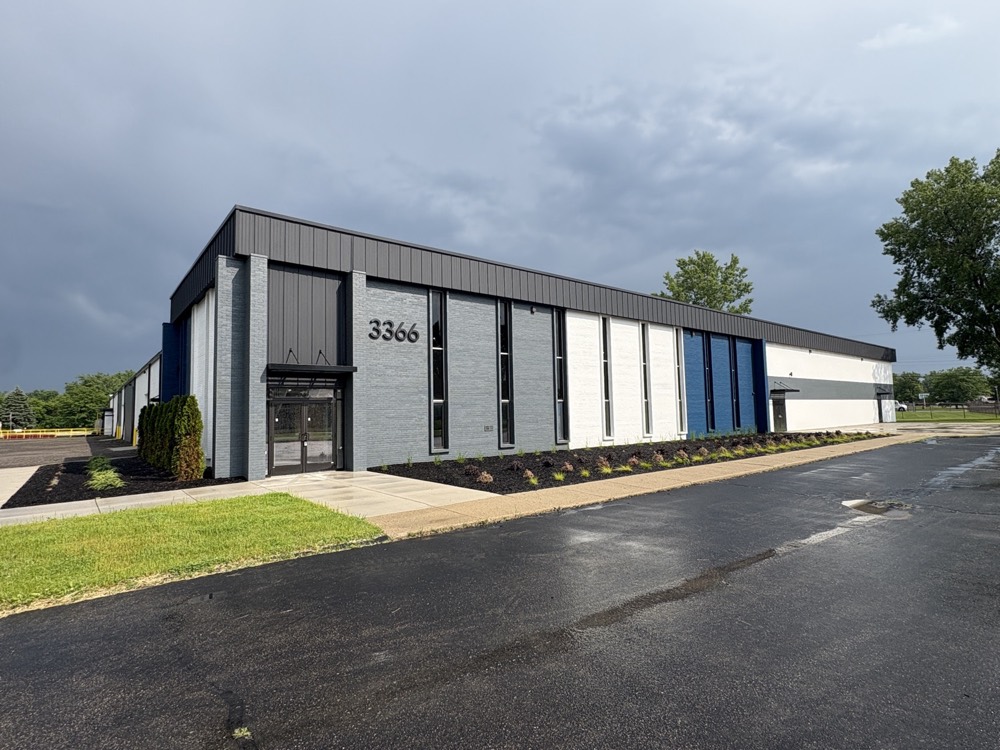
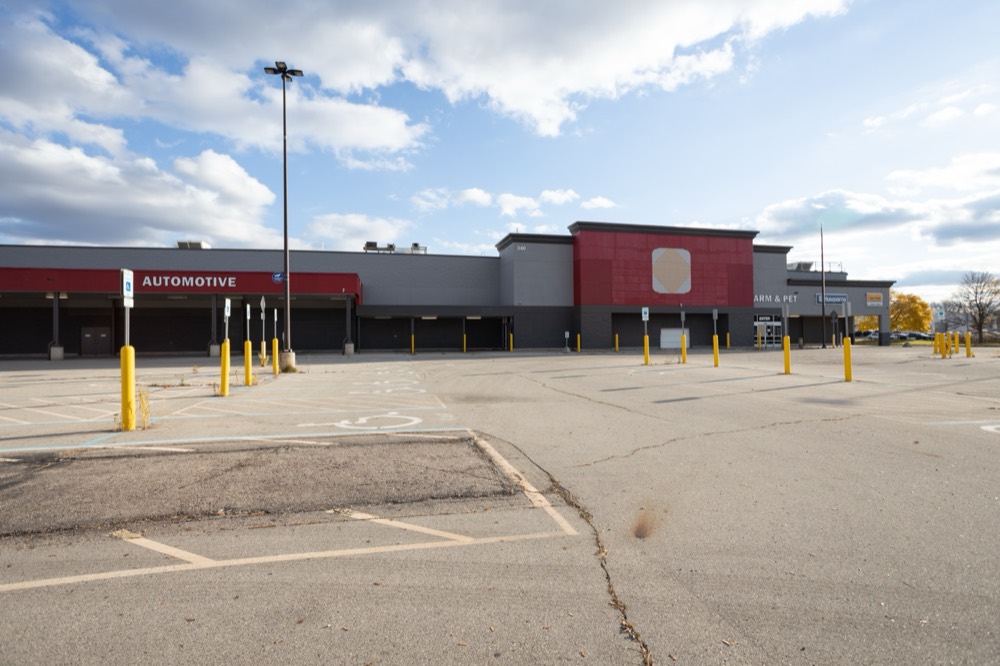
3366 Remy
Self-storage
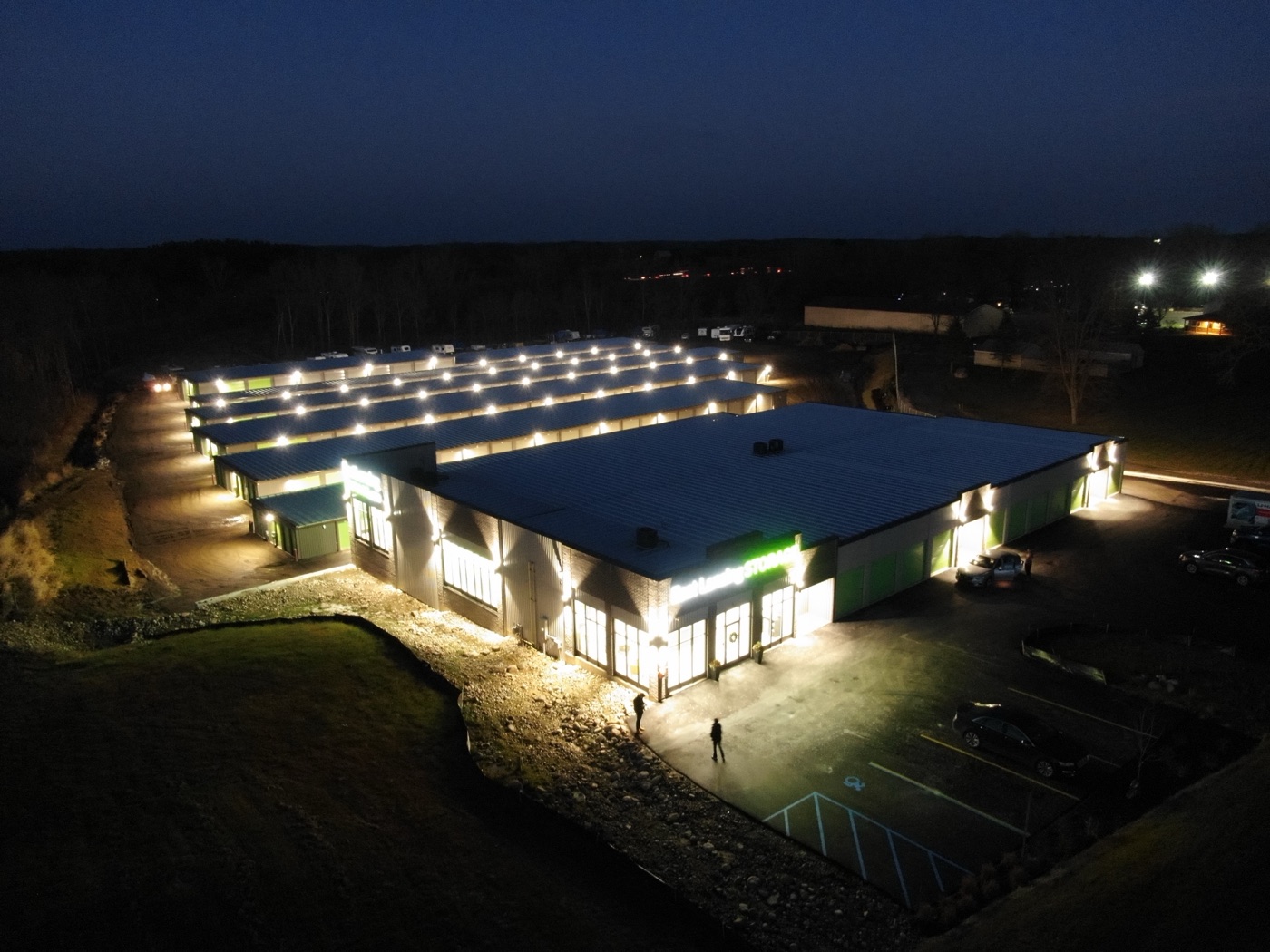
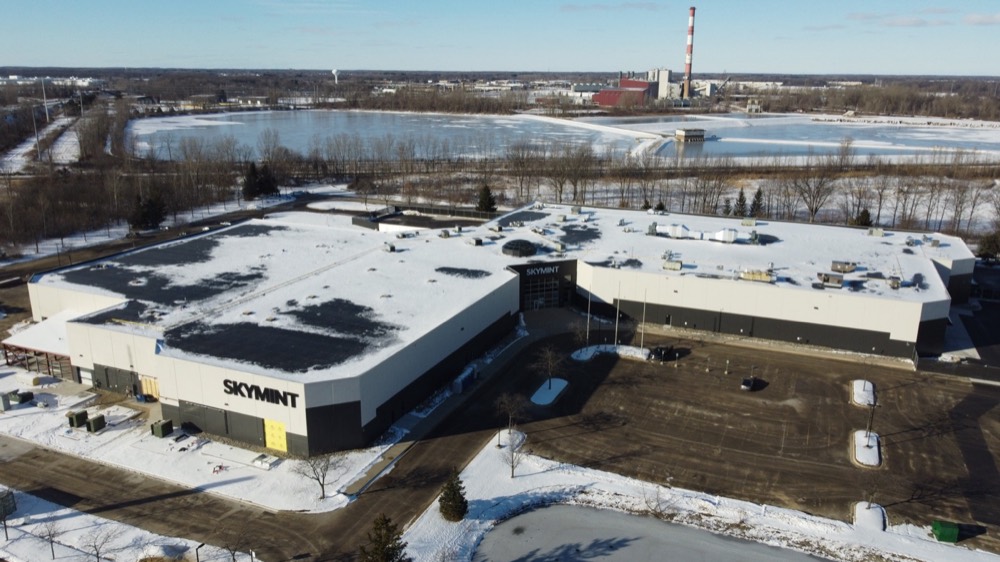
East Lansing Storage
What our clients say
“A project the size of the Ovation Center comes with a steady stream of complications, and having Dymaxion as our owner’s representative has made the difficult parts manageable. They bring creative problem-solving to the table when it matters most, and they’ve been a real partner in getting this impactful project built.”
Dominic Cochran
Founding Director, Ovation Center for Music and Arts
Dymaxion is a member of, and holds a board seat with, the Lansing Economic Area Partnership (LEAP).
Build, own, and operate with one team.
Whether you want to invest, have us represent or manage your asset, or just have a question, start here.
Dymaxion Group › Services
Services for owners.
We are a vertically integrated developer-operator first. The same team that builds, owns, and runs our own real estate also works directly for outside owners, through three distinct services.
What you can hire us for
Three services. One accountable operator.
These are independent engagements, pick the one that fits where you are. Behind every one of them is the same in-house development, management, and maintenance capability, so you are never handing your asset to a chain of disconnected vendors.
Most owner's reps have never carried a budget. Most third-party managers outsource the actual work. Most asset managers sit a layer removed from the property. We do all of it, on our own portfolio, every day. When you hire us for one of these services, you get a partner with live pricing data, in-house trades, and 400+ projects of operating scar tissue behind the advice.
Vertically integrated
Development, management, and maintenance under one roof. No vendor markups, no finger-pointing between trades.
Skin in the game
We spend our own capital on construction and operations daily, so our advice is grounded in what things actually cost and how they actually run.
One accountable team
A single point of contact owns the outcome, instead of a chain of disconnected vendors pointing at each other.
Not sure which one you need?
Tell us about your asset or project and we'll point you to the right service, or tell you honestly if we're not the fit.
Dymaxion Group › Services › Asset Management
Asset Management
Own the real estate. Hand us the work. We act as your third-party asset manager, protecting value and growing income, while you keep ownership and control.
Asset management as a service
One accountable team across the whole asset.
Not every owner can, or wants to, run their real estate. We carry the day-to-day across financial oversight, operations, capital planning, and reporting, backed by our own in-house development, property management, and maintenance teams, not a roster of outside vendors. You keep ownership and control; we own the performance.
Fully vertically integrated
Development, management, and maintenance under one roof. No vendor markups, no finger-pointing.
One accountable team
A single point of contact owns your asset's performance, instead of a chain of disconnected vendors.
Owner-grade reporting
Clear monthly and quarterly reporting that you, your beneficiaries, your board, or the court can act on.
Protect value, grow NOI
CapEx planning, rent optimization, and expense discipline focused on long-term value, not just collecting rent.
Who we do this for
Institutional & larger owners
Portfolios that need disciplined, reportable asset management without building an in-house team.
Family offices
Direct real estate allocations managed with institutional discipline: one accountable team, clean reporting, and a principal-to-principal relationship.
Absentee & out-of-state owners
Local eyes, hands, and accountability on the ground while you stay wherever you are.
Estates & trusts
Steady, transparent stewardship of inherited or trust-held property, with clean reporting for beneficiaries.
Attorneys & fiduciaries
Managing property on someone else's behalf? We give you a reliable operating partner and an audit-ready paper trail.
Court-appointed receivers
Fast, defensible stabilization and operation of assets under receivership, with documentation that holds up.
Related →Property managementOwner's representationAll servicesPortfolio
Asset management
Tell us about your asset.
Whether you're an institution, a family office, a fiduciary, or an owner who simply wants to step back, start here. We'll come back with clear next steps. No cost, no commitment.
Dymaxion Group › Owner's Representation
Owner's Representation
Someone at the table who has carried construction risk. We represent counties, municipalities, school districts, institutions, family offices, and private owners through the full life of a capital project, with no stake in the contractor, the architect, or the outcome of any bid. Our only client is the owner.
Why a developer-operator
We spend our own money on construction every day.
We negotiate the same contracts, review the same pay applications, and catch the same change orders your project will generate, except on our projects, the overruns come out of our pocket. That is the difference between a representative who has carried construction risk and one who has only observed it. 400+ projects and $145MM of development give us live pricing data on sitework, steel, mechanicals, and labor in this market, not last year's cost index, and two decades working tax credits and state and local incentive programs alongside Michigan municipalities.
Client testimonial
“A project the size of the Ovation Center comes with a steady stream of complications, and having Dymaxion as our owner's representative has made the difficult parts manageable. They bring creative problem-solving to the table when it matters most, and they've been a real partner in getting this impactful project built.”
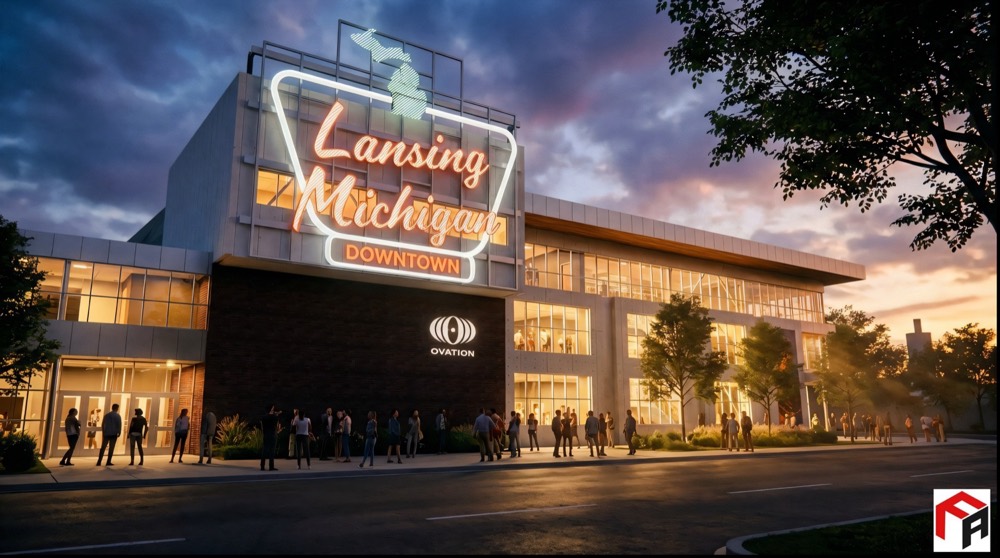
Dymaxion serves as owner's representative to the City of Lansing for the Ovation, a 70,000 sq ft civic music and arts venue in downtown Lansing.
Services
Five tiers, mapped to the capital project lifecycle.
Each tier is available independently or bundled as a single full-lifecycle engagement. Fees are scoped to each project; we will give you a clear, written fee proposal before any work begins.
01
Pre-Development Advisory
Feasibility and site evaluation, zoning and entitlement strategy, preliminary budget validation, delivery-method selection, design-team RFQ and selection, master schedule, and a written risk register. The decisions made here determine roughly 80% of final project cost, before a line is drawn.
02
Design Phase Management
Design-team oversight from schematic design through construction documents, budget reconciliation at every design gate, value engineering that cuts cost without cutting scope, constructability review, and code-compliance tracking.
03
Procurement & Contractor Selection
Bid-package preparation, contractor prequalification, bid solicitation and leveling, contract negotiation (AIA, ConsensusDocs, or custom), and insurance and bonding verification. We know what the line items should cost because we buy them ourselves.
04
Construction Phase Oversight
Pay-application review, change-order scrutiny and negotiation, RFI and submittal management, schedule and delay analysis, quality assurance, safety-compliance monitoring, and a plain-language monthly owner's report your board can act on.
05
Closeout & Occupancy Transition
Punch-list enforcement, substantial and final completion certification, warranty and O&M documentation, certificate-of-occupancy coordination, lien-waiver and retainage release, and 30/60/90-day post-occupancy review.
Who we serve
Built for public and institutional owners.
Counties and municipalities, K-12 districts and ISDs, higher education, healthcare systems, nonprofits, housing authorities, family offices, and private owners undertaking a significant capital project. Request a capabilities conversation, and you will talk to a principal, not a business-development associate.
Start the conversation
Request a capabilities conversation.
Tell us about your project and we will come back with a clear scope and a written fee proposal. You will talk to a principal, not a business-development associate.
About Dymaxion
Making places happen. Since day one.
A vertically integrated real estate firm in Lansing, Michigan. Development, capital, property management, and maintenance under one roof, so the team that underwrites a deal is the team that builds, operates, and maintains it.
"We looked for a firm that could do all of it, development, management, and capital, and couldn't find one. So we built it."
Track record
Twenty-four years of building, owning, and operating.
Dymaxion was founded in 2002 and operated for fifteen years on its own capital before taking on its first outside limited-partner investment. The sponsor remains heavily co-invested on every deal.
2002
Founded · 24 years operating
400+
Transactions across multifamily, industrial, storage, and adaptive reuse
$145MM
Completed & in-process development value
1MM+
Sq ft built & owned across the portfolio
Figures reflect sponsor records across all Dymaxion transactions since 2002. Past performance is not a guarantee or indicator of future results; each deal is unique and prior outcomes may not be reproducible.
The team
The people behind Dymaxion
Capital, development, management, and maintenance, one integrated platform.
Capital & Development
Jeff Deehan
Founder & Principal
Sets strategy for all four companies and leads deal origination. The long-term relationship owner for our investors and partners.
Matt McNeil
Partner & Director of Operations
Runs day-to-day execution across all four companies, keeping every project, property, and team on plan and accountable.
Brendan Fox
Director of Development
Leads every development project from start to finish: acquisition, entitlements, deal structure, and construction through delivery.
Andi Bourgeois
Executive Assistant
Oversees administration and cross-entity coordination across all four Dymaxion companies, keeping day-to-day operations organized and the team aligned.
Kenzie Jones
Operations Manager & Investor Relations
Leads investor communications and reporting, and runs the systems behind every investor's experience with Dymaxion, from first conversation to quarterly update.
Lucas Ferro
Asset Manager
Oversees financial performance across the portfolio, from property budgets and net operating income to every property- and investment-level transaction.
Property Management
Rachyl Simmons
Director, Property Management
John Patrick Smith
Property Manager
Robyn Yob
Property Manager
Karlie Mullendore
Property Manager
Gage Andrews
Property Manager
Adalie Agee-Poland
Customer Service
BM
Brittani McMullen
Property Manager
Steve King
Director, Maintenance
Russ Straub
Maintenance Technician
Jack Barber
Construction Superintendent
MM
Mike Mase
Maintenance Technician
Why Michigan
Midwest metro markets.
Michigan's metro markets, Lansing, Grand Rapids, Detroit, share a structural characteristic that makes them attractive for long-term real estate investment: demand is growing faster than supply can respond, and we've been operating here long enough to know exactly where the gaps are.
01
Transparency over polish
We tell you what's actually happening with your investment, including the hard stuff. Our investors aren't paying for a curated story. They're paying for the truth.
02
Operators first, capital second
We build things. We manage things. Capital raising is how we fund the work, not the other way around. Our track record is built on assets that perform, not pitch decks.
03
Long-term hold, long-term relationships
We don't flip and move on. We stay involved at the asset level, which means we're aligned with our investors, our owners, and our tenants for the long run.
How we invest
We build it, fund it, and run it. For the long term.
We don't chase deals. We identify markets where supply can't keep up with demand, acquire or develop assets with in-house discipline, and manage them with the same team that built them. That's the full-stack advantage, and it's how we work to create durable, long-term value for our investors.
Investment thesis
Why these markets work
Secondary and tertiary Midwest metros share a structural profile: permitting is slow, land costs are rising, and construction capacity is limited. These frictions suppress speculative development and create durable scarcity for high-quality industrial and multifamily assets.
Why small bay industrial
Units under 5,000 sq ft serve local service businesses, light manufacturers, contractors, and e-commerce fulfillment operators. This tenant type is sticky, under-served by institutional developers, and willing to pay for well-located quality space. Lansing has proven the thesis, now we're scaling it.
Why multifamily
Multifamily is core to Dymaxion and predates our industrial work. We have developed, repositioned, and operated apartments across Greater Lansing for two decades, from historic adaptive reuse to ground-up workforce housing, and we manage every unit in-house. University corridors, manufacturing reshoring, and migration sustain demand in the Midwest metro markets we know best.
Underwriting criteria
Genuine demand, limited new supply
Vacancy below 5%, limited pipeline of new competitive supply within 3-mile radius.
Disciplined basis
Land cost plus construction cost must pencil at market rents with appropriate yield on cost.
In-house execution path
We only pursue deals where we have the development or repositioning capability to execute without relying on third-party GCs for critical work.
Strong tenant demand profile
Identifiable tenant demand from local businesses, operators, or workforce housing need, not speculative absorption.
Deal structure
How investors participate
Every deal is structured individually, terms, minimums, and participation details are specific to each opportunity and shared directly with prospective investors.
Deal-by-deal
You invest in specific projects, not a blind pool. Structure and documentation are provided before any commitment is made.
Co-investment
We put our own capital into every deal alongside investors. Our interests are aligned.
Full transparency
Underwriting, assumptions, and asset-level reporting shared with all investors from day one.
Risk & transparency
What can go wrong, and how we manage it
We believe showing our risk management framework builds more trust than any projected return number. Here's how we think about the risks in our deals.
Construction cost overruns
We use in-house construction management and established subcontractor relationships to control costs. We build contingency into every proforma, typically 10–15% of hard costs.
Lease-up timing risk
We underwrite conservative lease-up timelines and target markets with demonstrated absorption. Our in-house leasing team activates before C/O to minimize vacancy duration.
Interest rate and financing risk
We underwrite at current rates, not projections. We stress-test deals at higher rates and target fixed-rate debt where possible. We don't rely on rate cuts to make deals work.
Market softening
Markets with real demand and little new supply are more resilient than speculative markets. We target markets where the supply gap persists even in softer demand environments, providing a cushion against corrections.
Ready to look at a deal?
We work with accredited investors, deal by deal. Join the investor list and we'll personally follow up to schedule an intro call.
Important disclosures
The information on this page is provided for general informational purposes only and does not constitute an offer to sell, or the solicitation of an offer to buy, any security, nor shall there be any sale of securities in any jurisdiction in which such an offer, solicitation, or sale would be unlawful. Any securities offering is made solely to accredited investors, as defined under Regulation D of the Securities Act of 1933, with whom Dymaxion has a pre-existing, substantive relationship, and only by means of definitive offering documents (including a private placement memorandum and operating agreement) that describe the investment and its risks in full.
Real estate investments involve substantial risk, including the possible loss of principal. There is no guarantee that any investment will achieve its objectives, generate income, or return capital. Statements regarding markets, strategy, and anticipated outcomes are forward-looking, are based on current assumptions that may prove incorrect, and actual results may differ materially. Past performance is not a guarantee or indicator of future results, and prior project outcomes may not be reproducible. Nothing on this page is investment, legal, accounting, or tax advice; prospective investors should consult their own advisors before making any investment decision.
Portfolio
Our work.
Twenty-four years of development, ownership, and owner's representation across multifamily, industrial, self-storage, civic, mixed-use, and adaptive reuse, all in Michigan.
In development
Industrial · Small bay · Ground-up
Mt Hope Industrial
Delta Township, MI
Small bay
Product
Delta Township
Market
In development
Industrial · Small bay · Ground-up
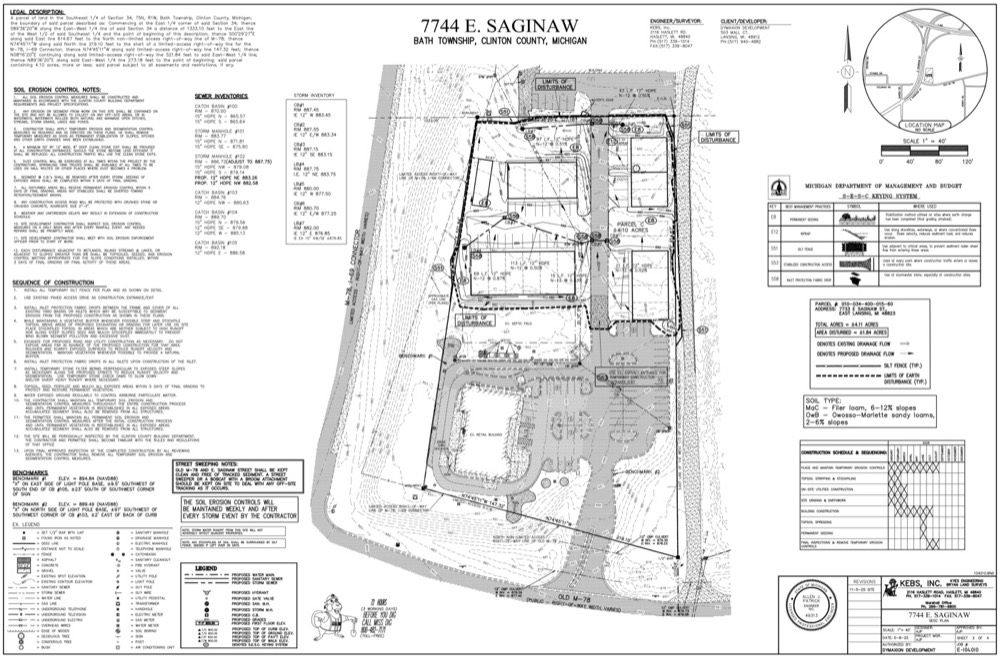
7744 Industrial
Bath Township, MI
Small bay
Product
Bath Township
Market
Completed▣ 4 photos
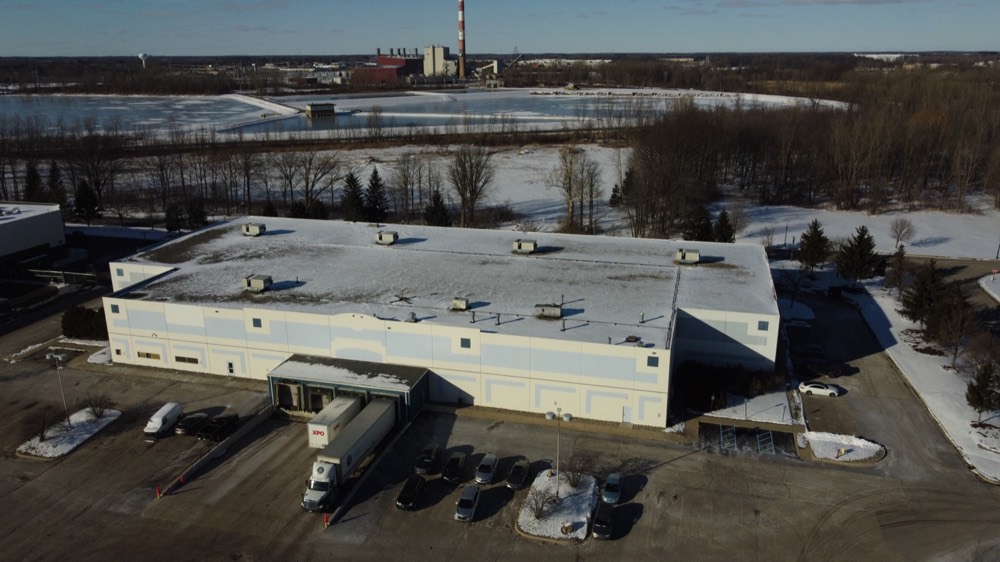
Industrial · Renovation
3366 Remy
City of Lansing, MI · 65,000 sq ft
ABC Supply Co.
Tenant
City of Lansing
Market
Completed▶ Video + 3 photos
Multifamily · Leasing
REO Gateway Apartments
City of Lansing, MI · 96,000 sq ft
96K sqft
Size
City of Lansing
Market
Completed▣ 3 photos
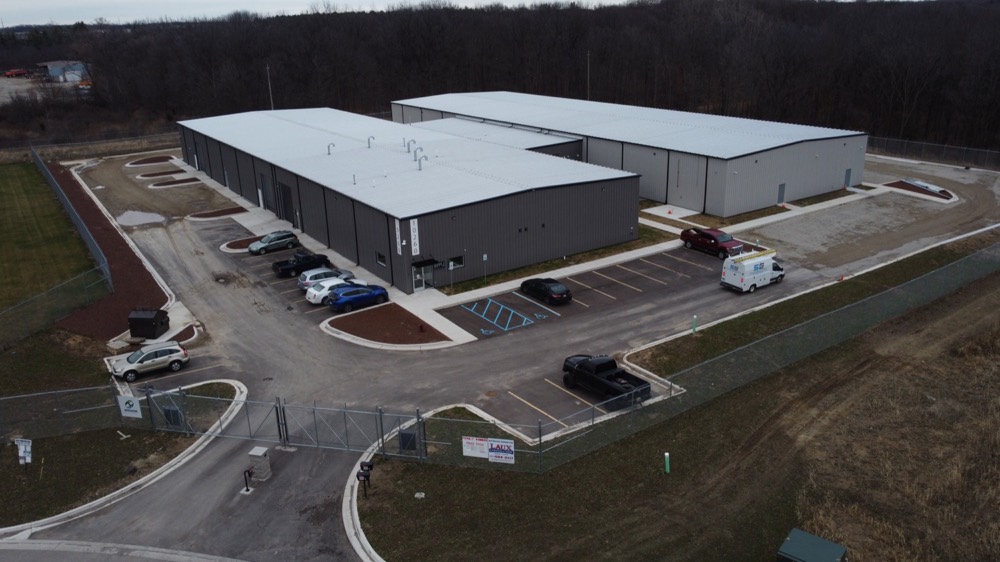
Industrial · Storage
East Lansing Storage
Bath Township, MI · 85,000 sq ft
85K sqft
Size
Bath Township
Market
Completed
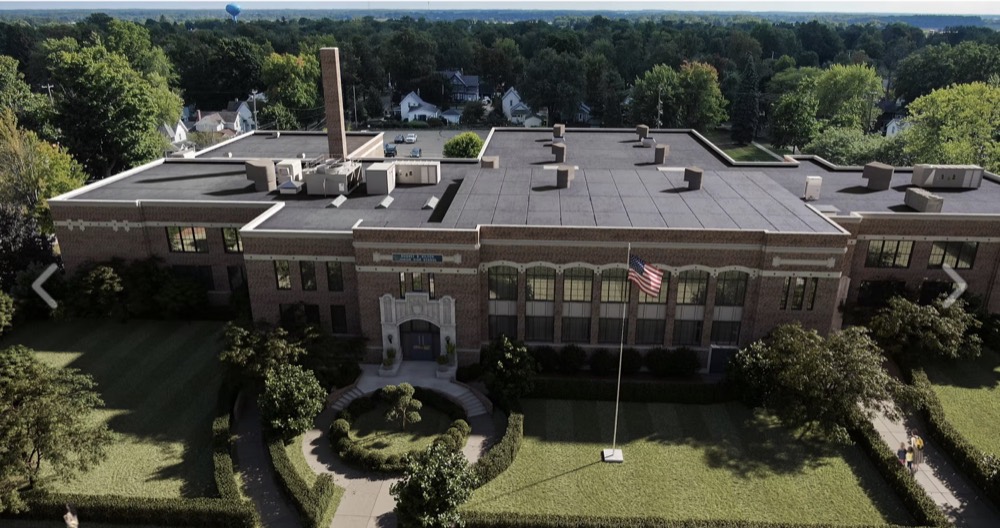
Multifamily · Historic reuse
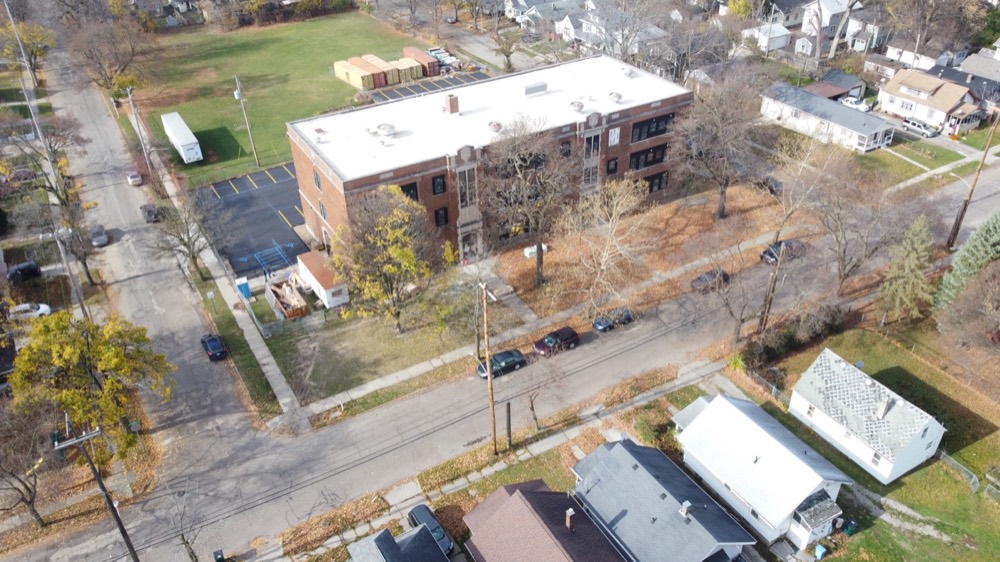
Holmes Street School Apts
City of Lansing, MI · 33,000 sq ft
33K sqft
Size
City of Lansing
Market
Completed
Commercial · New construction
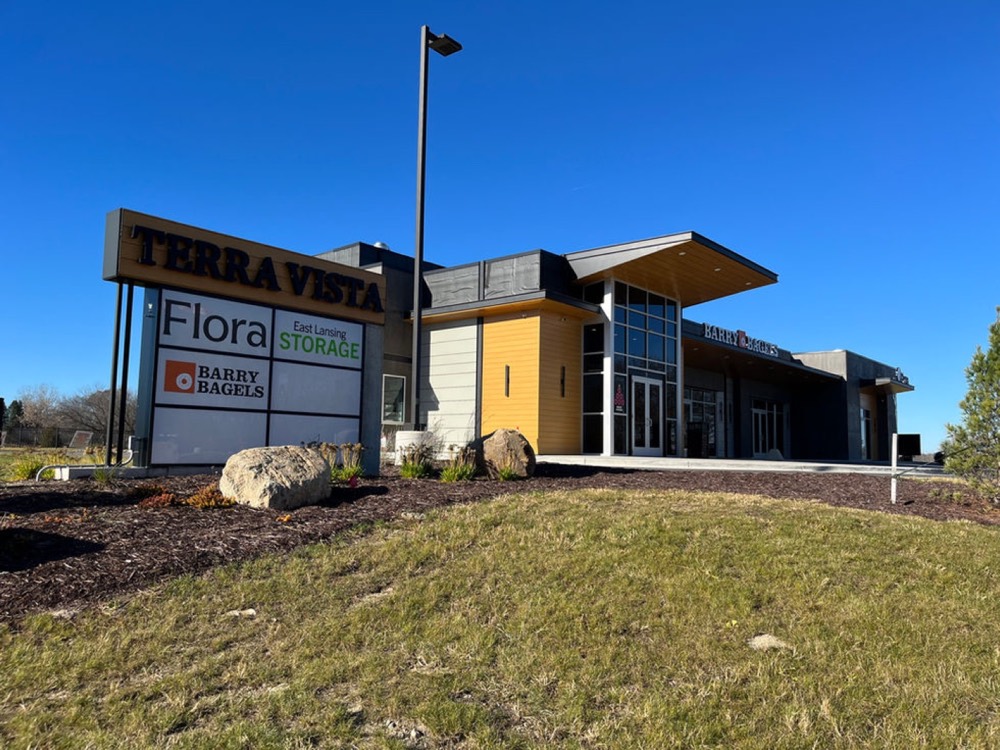
Terra Vista
Bath Township, MI · 8,000 sq ft
8K sqft
Size
Bath Township
Market
Completed
Mixed-use · Adaptive reuse
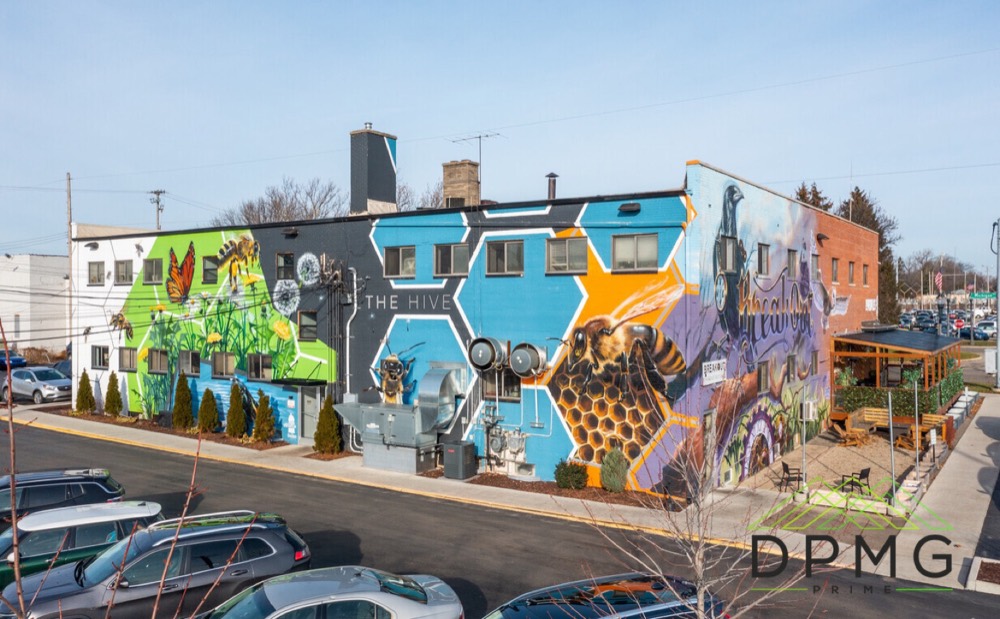
The Hive
Lansing Township, MI
Mixed
Use
Lansing Township
Market
In development
Multifamily · Adaptive reuse
Wilson Center Apartments
St. Johns, MI · 100,000 sq ft
100K sqft
Size
St. Johns
Market
In development
Civic · Owner's representation
Ovation Center for Music and Arts
Downtown Lansing, MI · 70,000 sq ft
70K sqft
Size
City of Lansing
Client
Completed
Industrial · Adaptive reuse
7977 Centerline
Windsor Township, MI · 52,000 sq ft
52K sqft
Size
Windsor Township
Market
Completed
Industrial · New construction
10260 Harvest Park
Windsor Township, MI · 44,000 sq ft
44K sqft
Size
Windsor Township
Market
Completed▣ 3 photos
Industrial · Adaptive reuse
340 Edgewood
City of Lansing, MI · 137,000 sq ft
137K sqft
Size
City of Lansing
Market
Completed▣ 3 photos
Multifamily · Adaptive reuse
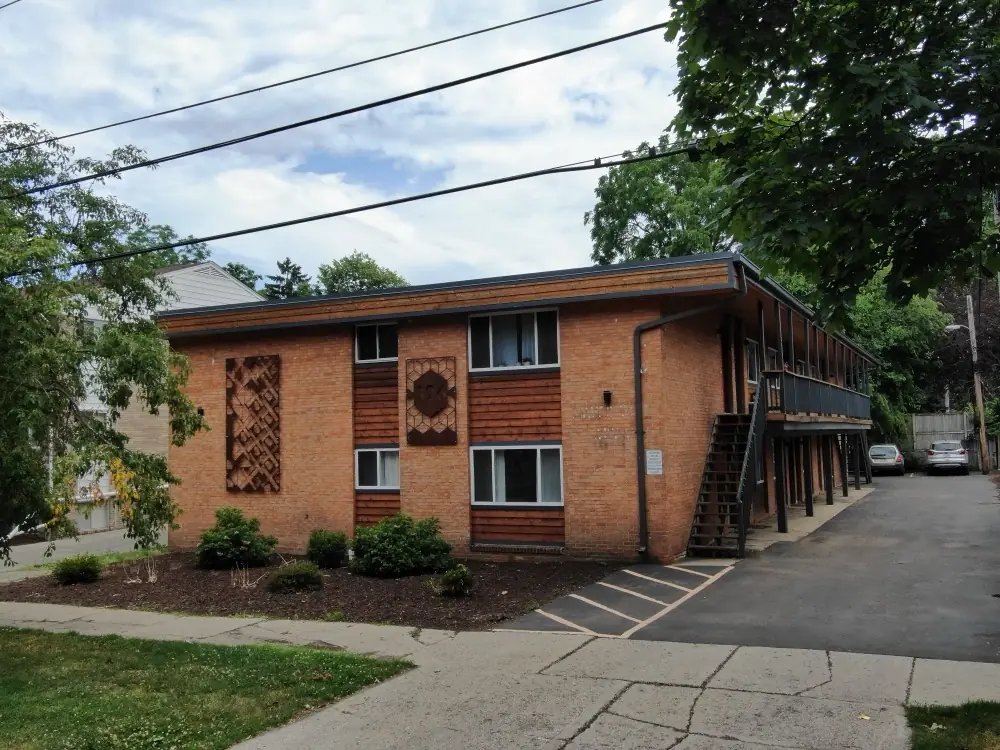
Artists Ave
City of Lansing, MI
100+ yrs
Building age
City of Lansing
Market
Completed▣ 4 photos
Multifamily · Neighborhood revitalization
Cherry Hill
City of Lansing, MI
Multi-building
Scope
City of Lansing
Market
Sold
Industrial · Flex
9410 Davis Hwy
Dimondale, MI
Big-box flex
Asset
Dimondale
Market
Sold
Commercial · Office
3340 Ranger Rd
Lansing, MI
Office / flex
Asset
Lansing
Market
Completed
Multifamily · Renovation
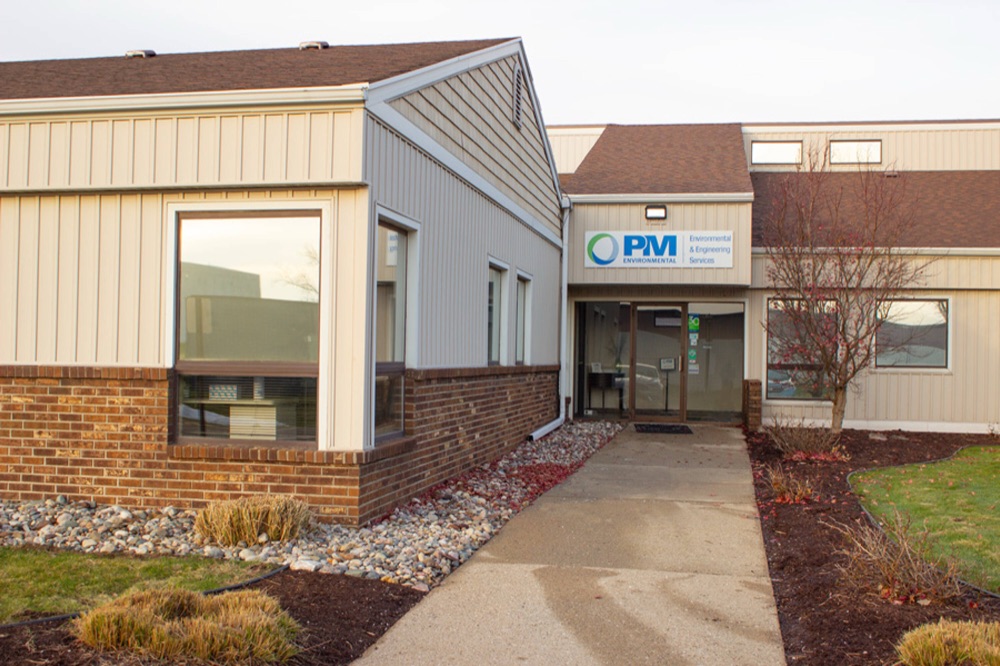
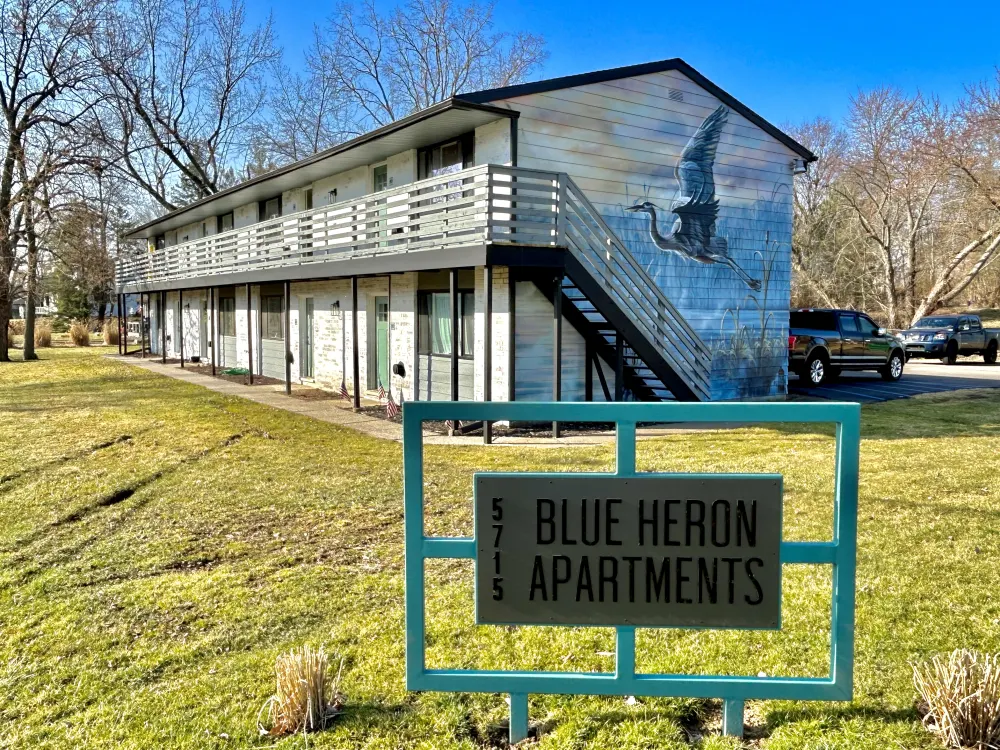
5715 Shaw
Haslett, MI
Renovated
Scope
Haslett
Market
Sold
Industrial
735 Hazel
Lansing, MI · 144,000 sq ft
144K sqft
Size
Lansing
Market
Completed
Multifamily · Renovation
605 S Bridge
DeWitt, MI
Renovated
Scope
DeWitt
Market
Want to be part of the next one?
Invest alongside us deal by deal, or put our team to work on your own asset.
Investor access
Invest in essential real estate, deal by deal.
We invest deal by deal across essential real estate, from small bay industrial to multifamily. We work exclusively with accredited investors. Join the list to learn how we work and start the conversation.
Start here
Join the investor list
One monthly note on what we're building, what we're closing, and what we're learning in our markets. Every investor relationship starts here.
We don't spam. One monthly note. Unsubscribe anytime.
What happens after you reach out
A simple three-step process
1
You reach out
Join the list or book a call. You'll get our investment overview right away, and we personally follow up with every prospective investor.
2
We get to know each other
We work exclusively with accredited investors. Before any offering is shared, we confirm accreditation and make sure our approach fits your goals. Offerings are private and shared only through an established relationship.
3
You review the next deal that fits
We invest deal by deal, so timing depends on what's in the works. When a project fits, you review the full materials through AppFolio IM and decide on your own timeline. No pressure, no obligation.
Already an investor? Access your portal.
View your investments, distributions, documents, and reporting through AppFolio IM, Dymaxion's investor management platform.
Deal-by-deal
No blind pool, no lock-up
Important disclosures
The information on this page is provided for general informational purposes only and does not constitute an offer to sell, or the solicitation of an offer to buy, any security, nor shall there be any sale of securities in any jurisdiction in which such an offer, solicitation, or sale would be unlawful. Any securities offering is made solely to accredited investors, as defined under Regulation D of the Securities Act of 1933, with whom Dymaxion has a pre-existing, substantive relationship, and only by means of definitive offering documents (including a private placement memorandum and operating agreement) that describe the investment and its risks in full.
Real estate investments involve substantial risk, including the possible loss of principal. There is no guarantee that any investment will achieve its objectives, generate income, or return capital. Statements regarding markets, strategy, and anticipated outcomes are forward-looking, are based on current assumptions that may prove incorrect, and actual results may differ materially. Past performance is not a guarantee or indicator of future results, and prior project outcomes may not be reproducible. Nothing on this page is investment, legal, accounting, or tax advice; prospective investors should consult their own advisors before making any investment decision.
Small Bay Industrial
The most requested product nobody is building.
Small bay industrial, units under 5,000 sq ft, is the highest-demand, lowest-supply product category in secondary Midwest markets. We identified this gap years ago and built our entire development platform around it.
The thesis
Why small bay?
Small businesses, contractors, trades, light manufacturers, last-mile operators, need small, functional industrial space in the markets where they work. They don't need 50,000 sq ft. They need 1,500–4,000 sq ft with a grade-level door, decent parking, and a location that makes sense for their routes.
That product is almost nonexistent in secondary markets. Most developers build big because big is easier to finance. The result is a structural gap that has persisted for decades, and one that we've learned to build into profitably and at scale.
We build ground-up. We lease to local operators. We manage in-house. The vertically integrated model means we control every stage, from entitlements to tenant experience, and that control is what makes the returns durable.
Under 5,000 sq ft
Target unit size. The sweet spot for small business demand.
Grade-level access
Drive-in doors, clear height, functional layout. Built for operators, not spec.
Secondary markets
Less competition. More predictable tenants. Stronger relative yields than gateway markets.
In-house management
We lease and operate every asset we build. No third-party leakage.
The gap we fill
Where supply falls short
Large-bay developers dominate the industrial market. Small-bay operators are fragmented and undercapitalized. We sit in the middle, institutional discipline applied to a product category the institutions ignore.
The demand
Trades, contractors, e-commerce fulfillment, light manufacturing. Growing faster than the housing market in the same metros.
The supply problem
Almost no new small-bay product has been built in secondary Midwest markets in the last 20 years. Existing stock is aging, inefficient, and disappearing to conversion.
Our edge
We've built and leased this product. We know what tenants want, what banks will lend against, and how to deliver it under budget. That's the repeatable advantage.
Current projects
Small bay in the ground
Both active projects are ground-up small bay industrial in the Lansing metro, built to the spec local operators actually need.
In construction · Lansing metro
Mt Hope Industrial
Ground-up small bay industrial in the Lansing metro. Multi-tenant configuration with grade-level doors and flexible unit sizes for local operators.
In construction · Lansing metro
7744 Industrial
Second ground-up small bay project in the same submarket. Designed to the same operator-first spec, functional, accessible, and purpose-built for the tenants who need it most.
Invest in small bay
Built on a thesis. Backed by execution.
We've developed the process, the relationships, and the track record to repeat this model across markets. If you want to follow what we build next, join our investor list.
Insights
From the team
Market observations, project updates, and thinking from the Dymaxion team.
Dymaxion Group › Development
01
Development
Ground-up industrial and multifamily in markets where quality supply hasn't caught up to real demand.
Municipalities
Let's build what your community needs.
We work directly with municipalities on small bay industrial and workforce housing projects that create jobs, generate tax base, and strengthen neighborhoods. We know the entitlement process and we show up for public hearings.
Small bay industrial overview →Contact our development team →
Landowners
Your land. Our expertise.
We buy, ground lease, or co-develop sites that fit our thesis. If you own land in a Michigan metro market, bring it to us, we'll tell you what it can hold, what it's worth, and how we'd structure a deal.
Landowner options →Send us your site →
Owner's rep
Need someone in your corner?
We serve as owner's representative for developers and investors who need experienced oversight on a project, process management, vendor accountability, budget control, and decision support from someone who's been in the seat.
Talk to our team →
Go deeper →PortfolioSmall bay industrial hubDevelopment costsMarket selectionZoning guide
Whether you're a municipality exploring a partnership, a landowner with a site, or looking for an owner's rep, start here and we'll connect you with the right person on our team.
Dymaxion Group › Capital
02
Capital
We raise, deploy, and return capital in underbuilt real estate markets. Deal-by-deal. Full transparency.
Accredited investors
Invest alongside us.
We syndicate individual deals to accredited investors, no blind pools. You see the asset, the underwriting, and the structure before you commit. Quarterly reports, K-1s by March 15. Direct access to our team, conversation-first approach.
Current raises →How we invest →Portfolio →Join the investor list →
Your investor journey
01
Request a call, fill out the form below
02
Intro call with our team, deal overview, your questions answered
03
Docs via AppFolio IM, subscription agreement, accreditation verification, W-9
04
Funded & onboarded, quarterly reports, portal access, a direct line to your investment manager
Lenders & banks
We're active borrowers.
Dymaxion has a strong track record across construction loans, permanent financing, and bridge facilities in the Midwest industrial and multifamily markets. We come prepared with full underwriting packages.
Reach our team →View our track record →
Go deeper →How we investInvestor accessSmall bay investingFinancing structureSmall bay projectsInsights
Get started
Start the conversation.
We personally speak with every prospective investor. Fill this out and we'll follow up within one business day to schedule an intro call. All deals are Reg D, accredited investors only.
Related service
Own real estate but don't want to run it?
Separate from investing alongside us, we also act as a third-party asset manager for owners who want our team to carry the day-to-day, financial oversight, operations, capital planning, and owner-grade reporting, while they keep ownership and control.
Important disclosures
The information on this page is provided for general informational purposes only and does not constitute an offer to sell, or the solicitation of an offer to buy, any security, nor shall there be any sale of securities in any jurisdiction in which such an offer, solicitation, or sale would be unlawful. Any securities offering is made solely to accredited investors, as defined under Regulation D of the Securities Act of 1933, with whom Dymaxion has a pre-existing, substantive relationship, and only by means of definitive offering documents (including a private placement memorandum and operating agreement) that describe the investment and its risks in full.
Real estate investments involve substantial risk, including the possible loss of principal. There is no guarantee that any investment will achieve its objectives, generate income, or return capital. Statements regarding markets, strategy, and anticipated outcomes are forward-looking, are based on current assumptions that may prove incorrect, and actual results may differ materially. Past performance is not a guarantee or indicator of future results, and prior project outcomes may not be reproducible. Nothing on this page is investment, legal, accounting, or tax advice; prospective investors should consult their own advisors before making any investment decision.
Dymaxion Group › Management
03
Management
Third-party property management through DPMG Prime, the same platform we use on our own assets.
3rd party property owners
We manage your asset like we own it.
Leasing, maintenance, accounting, and asset optimization under one roof, through DPMG Prime. We serve multifamily, commercial, and industrial owners across Michigan who want professional management without a corporate middleman.
Leasing and renewals, rent collection, financial reporting, and our own maintenance crews, not a roster of outside vendors. You get owner-grade reporting and a single point of contact, on the same platform we run our own portfolio on.
Want us to run the whole asset? →Building something? Owner's representation →
Related →Owner's representationAsset managementPortfoliodpmgprime.com
Free property analysis
Tell us about your property.
Whether you want full management or just want to know what your asset could perform under professional oversight, start here. No cost, no commitment.
Dymaxion Group › Maintenance
04
Maintenance
In-house maintenance delivered through DPMG Prime, fast response, accountable team, no outsourcing.
Property owners
In-house maintenance on your asset.
Our full-time, in-house maintenance crew operates across the portfolio we manage. No outsourced vendors, no markup games. If your property is under DPMG management, maintenance is handled by our own people, on the same platform we run our own buildings on.
Learn about management →Contact our team →
Why in-house matters
One crew, fully accountable.
Outsourced maintenance means markups, finger-pointing, and waiting on a third party who doesn't know your building. Our crew already does. Faster response, controlled cost, and one team that owns the outcome alongside management and development.